Shehbaz Sharif calls the upcoming United States‑Iran peace talks a “make or break” moment
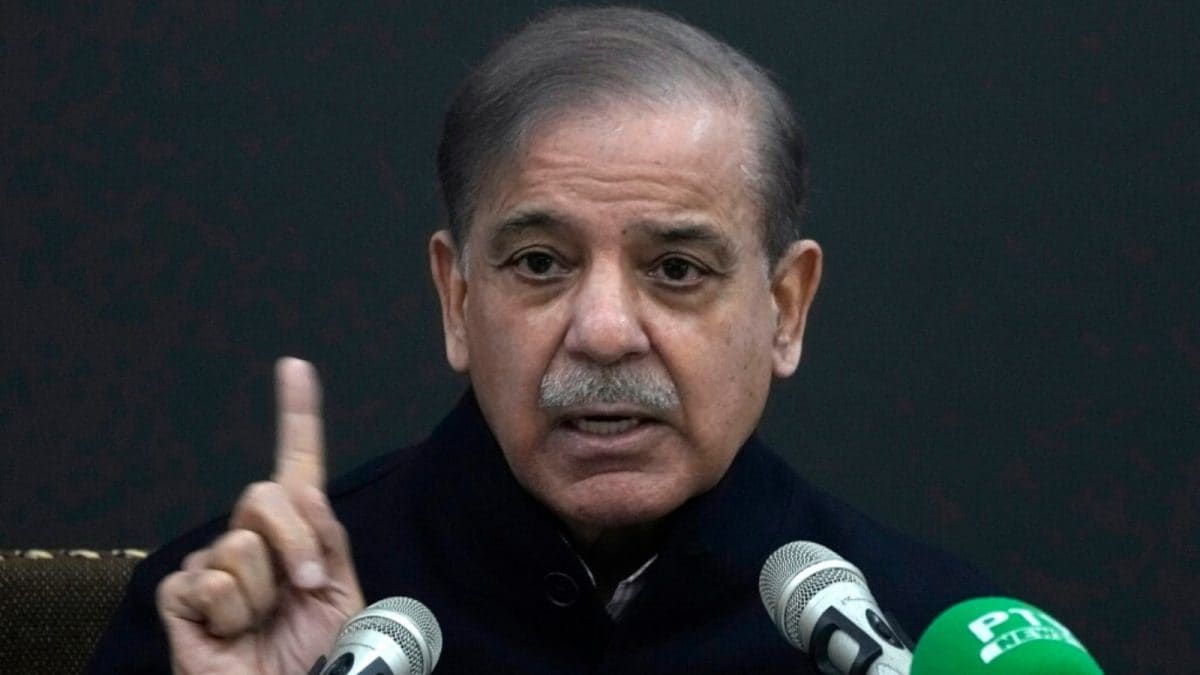
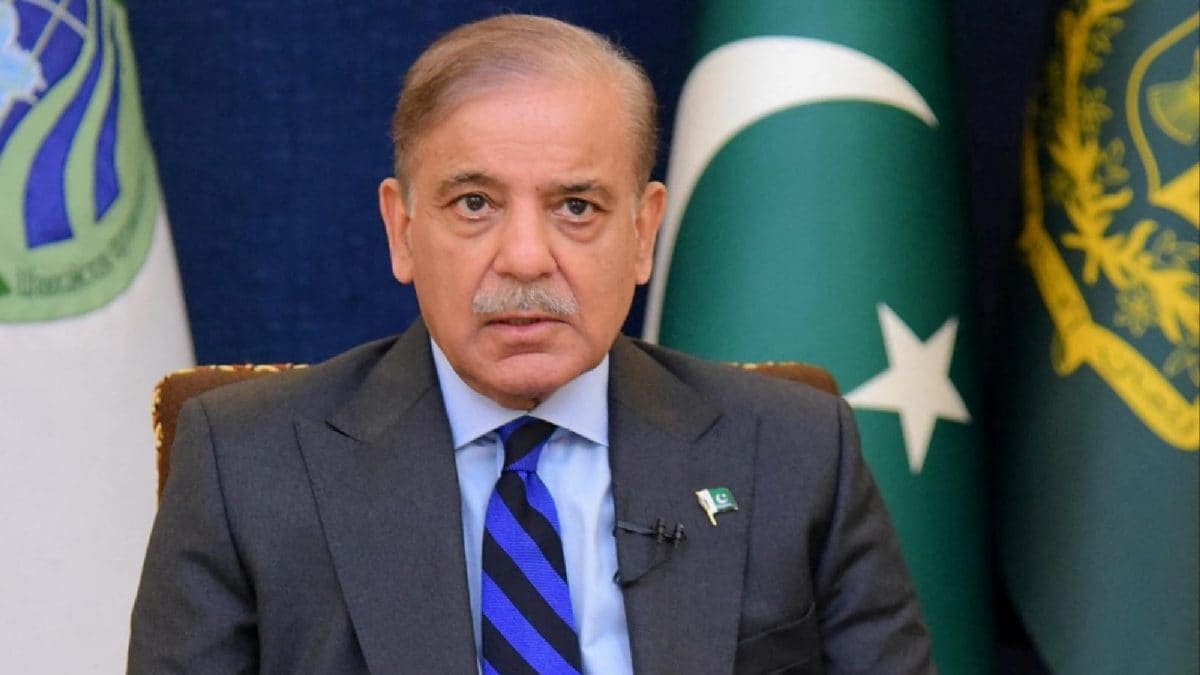
When I switched on the television early on Friday, I could feel the buzz in the air – everyone from my aunt in Lucknow to my neighbour in Karachi was already talking about the big diplomatic summit about to happen in Islamabad. Pakistan Prime Minister Shehbaz Sharif was on the screen, his voice steady but clearly charged with excitement, as he described the United States‑Iran talks as a “make or break” moment for a permanent cease‑fire. It felt like we were standing at the edge of something huge, and I could tell from the tone that Shehbaz Sharif really believed this could turn the tide in the long‑running conflict across West Asia.
Shehbaz Sharif started the speech by saying the two sides – the United States and Iran – had finally aGreed to sit down after a period of confrontation that seemed endless. He thanked the leadership of Iran and the United States for accepting his invitation, and he reminded us that the success of the peace process would depend not only on the officials in the room but also on the prayers of ordinary people like us. You could hear a hint of optimism mixed with a hint of nervousness, kind of like the feeling before a big exam.
Pakistan’s pride in hosting the talks
Shehbaz Sharif went on to say that Pakistan’s role in hosting the discussions was “not just a proud moment for Pakistan but for the entire Muslim world.” He really emphasized that Islamabad was acting as a facilitator in high‑stakes diplomacy. I remember my uncle, who works in a customs office, telling me that never before had Pakistan gotten such direct attention from both the United States and Iran at the same time. For many of us, it felt like the country was finally being recognised for its willingness to bring parties together.
He also made a point of highlighting that the discussions were being held under tight security. Around ten thousand police, paramilitary forces and the army had been deployed to guard the Red Zone in Islamabad. The whole city was buzzing – traffic was rerouted, schools near the venue were closed for a day, and even the local chai‑wala was selling extra cups of tea to the security personnel who were on shift. It reminded me of how we used to see similar security measures when big cricket matches were held in the capital.
Details of the delegations
The United States delegation was led by Vice President JD Vance, with Special Envoy Steve Witkoff and Senior Advisor to the President Jared Kushner also joining the team. Senior officials from the White House and the Pentagon were also said to be part of the negotiation team. On the other side, the Iranian delegation was headed by Parliament Speaker Mohammad Bagher Ghalibaf and Foreign Minister Abbas Araghchi. Iran’s Ambassador to Pakistan Dr. Reza Amiri Moghadam, along with several other officials, would also be present. The line‑up felt like a meeting of heavyweights, and it was clear that both sides were sending their most experienced hands to try and break the deadlock.
According to the schedule, the delegations were expected to start arriving late Friday night and continue into Saturday. The airport in Islamabad was cordoned off, and you could see a convoy of black SUVs rolling in, each surrounded by a swarm of uniformed men. It reminded me of the way we used to watch the arrival of foreign dignitaries during the Commonwealth Games – the whole city would pause for a moment, as if holding its breath, hoping for a positive outcome.
Domestic measures: Fuel price cuts
While the world was focusing on the diplomatic front, Shehbaz Sharif also announced a substantial reduction in fuel prices to ease the financial burden on common people. Diesel prices were cut by 135 rupees per litre, dropping from 520 rupees to 385 rupees. Petrol prices saw a reduction of 12 rupees per litre, moving from 378 rupees down to 366 rupees. The announcement was met with relief across the country – my cousin in Lahore, who runs a small transport business, told me that this cut would help his drivers manage their daily expenses better.
For many families, fuel cost is a big part of the monthly budget, and a drop like this can make a noticeable difference. In the bustling markets of Karachi, shopkeepers were already talking about possibly lowering the price of daily necessities, hoping that consumers would have a little more breathing room. It felt like Shehbaz Sharif was trying to strike a balance between the high‑profile international effort and the immediate needs of his citizens.
What the talks could mean for the region
If the United States and Iran manage to reach a genuine cease‑fire, it could have a ripple effect across the entire region. Shehbaz Sharif hinted that a stable West Asia would open doors for better trade routes, lower oil prices, and perhaps a reduction in the flow of refugees that have been a concern for neighbouring countries. In my own family, we have relatives in Afghanistan who have been watching the news closely, hoping that any de‑escalation could eventually lead to more stability back home.
On the other hand, the stakes are high. If the talks fail, the “make or break” label that Shehbaz Sharif used could turn into a harsh reality, leading to further escalation. The tension in the city was palpable – not just the security presence, but also the hushed conversations among neighbours, all hoping for a positive outcome. It reminded me of the nervousness we feel before a big exam result is announced.
Public sentiment and prayers
Shehbaz Sharif urged all citizens to pray for the success of the talks. In many Indian households, when a national event of this magnitude occurs, people often gather for a short prayer session, lighting incense and offering heartfelt wishes. In Pakistan, similar sentiments were visible – small prayer gatherings were seen near mosques and even in the courtyards of homes. It was a reminder that, despite the high‑level diplomatic language, the hopes and fears of ordinary people remain at the heart of such events.
I remember my own mother, after hearing the news, saying that we must keep our faith that peace can be achieved through dialogue, just like families settle disputes over dinner. It might sound simple, but these personal moments add a layer of humanity to the larger political picture.
International eyes on Islamabad
The international media has been keenly following the developments, with many outlets describing the meeting as a “critical juncture” for the region. Analysts from think‑tanks in Europe and the United States are already publishing op‑eds, debating whether the United States will make concessions on sanctions, or whether Iran will aGree to halt support for proxy groups. Yet, amidst all this analysis, Shehbaz Sharif kept the focus on dialogue, emphasizing that the two parties have decided to resolve their issues through conversation rather than continued conflict.
Even my friend who works with an NGO in Delhi told me that the talks could set a precedent for future Muslim‑majority nations to take a more proactive role in conflict mediation. It’s a thought that resonates with the idea that Pakistan can serve as a bridge between the East and the West, a role that Shehbaz Sharif seems eager to embrace.
Looking ahead
As the delegations settle in, the world now watches the next steps. Preliminary engagements are expected to precede formal negotiations, and both sides have indicated a willingness to discuss not just the immediate cease‑fire but also longer‑term arrangements that could lead to lasting peace. The security perimeter around the Red Zone remains tight, but there’s an air of cautious optimism that perhaps this “make or break” moment might tilt towards a breakthrough.
For ordinary citizens like me, the outcome will be measured not just in headlines but in the everyday changes – whether fuel stays affordable, whether families can breathe easier, and whether the news headlines shift from conflict to cooperation. As Shehbaz Sharif said, this is a moment that belongs not just to Pakistan but to the entire Muslim world, and I hope the prayers and hopes of millions translate into a real, tangible peace.