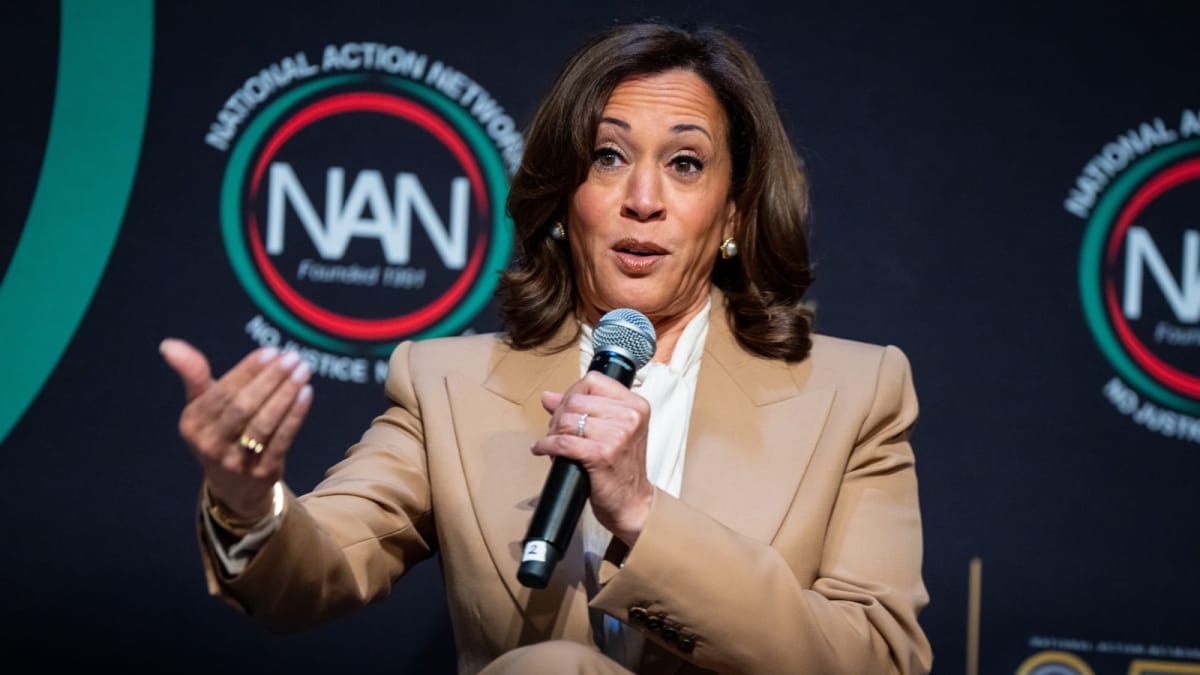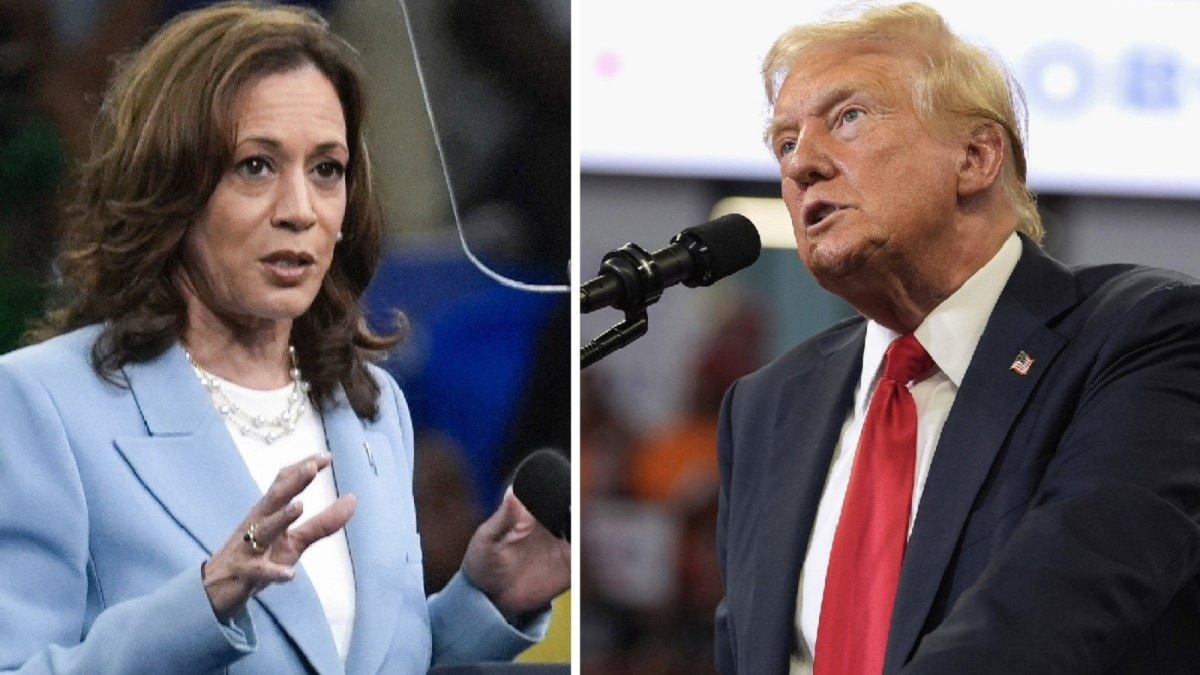
Last weekend I was tuning into a live‑stream of the National Action Network Conference, the kind of event that usually draws a crowd of activists, community leaders, and a few curious journalists like myself. The venue was buzzing, and when the former Vice President Kamala Harris walked up to the podium, you could feel the anticipation in the room. Kamala Harris didn’t waste any time; the speech began with a direct and scathing attack on former President Donald Trump.
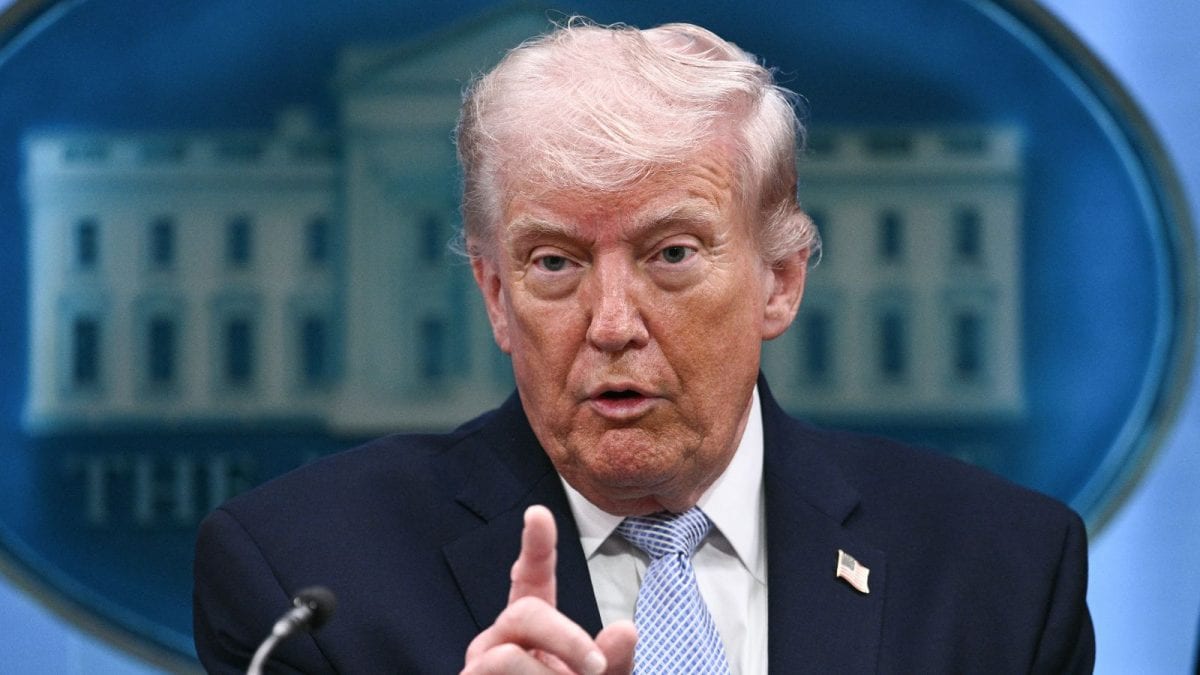
Kamala Harris called Donald Trump a “mob boss”, a phrase that sounded almost like something straight out of a Bollywood gangster film. Actually, the comparison was meant to illustrate how, in Kamala Harris’s view, Donald Trump’s leadership style resembled that of an organized‑crime figure, someone who divides territory and expects loyalty in return. The comment was bold, and you could see a few people in the audience nodding, as if they were hearing a familiar frustration echoed in a fresh, dramatic way.
The Bold Remarks on Trump’s Foreign Policy
Kamala Harris went on to say that under Donald Trump, the United States has “lost influence” on the global stage. She pointed to several specific foreign‑policy moves that she believes have weakened America’s standing. First, there was the reference to Trump’s “war with Iran”. While there has not been a formal declaration of war, Kamala Harris described the ongoing tensions and the hostile rhetoric as a war‑like scenario that threatens stability in the Middle East. The idea reminded me of the stories my uncle tells about the Indo‑Pak wars – a reminder that continuous hostility can drag a nation into a protracted conflict that drains resources and goodwill.
Next, Kamala Harris highlighted Donald Trump’s attacks on NATO, the North Atlantic Treaty Organization. She argued that by questioning the relevance of the alliance and pulling back on commitments, Donald Trump has sent a signal that the United States is “increasingly unreliable as a partner”. In the Indian context, it is akin to a neighbouring friend suddenly refusing to honour a longstanding trade pact; the ripple effects are felt far beyond the immediate parties.
Kamala Harris also warned that these actions are keeping her “up at night”. It was a personal touch that made the speech feel less like a political manifesto and more like a genuine worry. I could almost hear her voice trembling a bit when she said that the United States, a nation that has historically been a “global police” and a “beacon of democracy”, is now being seen as a “less dependable ally”. This sentiment, while harsh, resonated with many in the audience who have watched the US’s role waver over the past few years.
The ‘F‑Word’ Comment and Its Fallout
One of the most talked‑about moments from Kamala Harris’s speech was her claim that she would use the “F‑word” to describe Donald Trump’s allies on Capitol Hill. She said it was an “appropriate” term, but intriguingly, she did not spell out what that word actually was. The media buzzed for hours, with pundits debating whether she was referring to a profane expletive or something else entirely. In Indian parlance, we often have that kind of left‑field remark that makes people pause, then start a long debate over chai.
Kamala Harris’s decision not to elaborate left the audience with a mix of curiosity and admiration for her willingness to push boundaries. It reminded me of when politicians in India use “Bharat” or a subtle curse to get attention – they know the shock factor gets people listening. The crowd reacted with a mixture of applause and laughter, indicating that the comment hit home in a way that ordinary political language often does not.
Implications for US Global Influence
According to Kamala Harris, the United States, under Donald Trump, has become “increasingly unreliable as a partner”. She painted a picture of a country that is no longer the go‑to ally for many nations that depend on American military, economic, and diplomatic support. The former Vice President used the phrase “lost influence” multiple times, emphasizing that this decline is not just a feeling but a measurable shift in how other countries engage with the United States.
When Kamala Harris spoke about dividing global influence, she gave a hypothetical scenario: “You take Eastern Europe, I’ll take the Western Hemisphere… and we’ll just divide it up”. It was almost a parody of colonial‑style division of territories, but she used it to underline how Donald Trump’s approach could lead to a world where powers carve out spheres of influence like children sharing sweets. In many Indian households, we often hear elders warn younger ones not to “divide the family wealth” because it creates discord – the same principle applies on the global scale.
Kamala Harris also highlighted how this loss of influence keeps her awake at night. The phrase was repeated, adding emotional weight and showing that the issue is a personal, not just political, concern. It reminded me of how many Indians stay up worrying about inflation or job security; it’s a universal feeling when something that used to seem stable starts to wobble.
Hints of a 2028 Presidential Run
Perhaps the most intriguing part of Kamala Harris’s address was the subtle, almost casual hint that she might consider running for president again, this time in 2028. “I might, I might. I’m thinking about it, I’m thinking about it,” Kamala Harris said, as the crowd erupted in cheers. The repetition of “I might” sounded like the kind of self‑talk many of us have before making a big decision – like when I’m trying to decide whether to take a new job or stay where I am.
She also framed the decision in terms of who could do the best job for the American people in 2028. By saying she would weigh the options based on who can serve the nation best, Kamala Harris positioned herself as a serious contender, yet the wording left room for speculation. It reminded me of how Indian political veterans often say, “I am considering all possibilities,” before announcing a comeback.
Kamala Harris’s comments about a possible 2028 run also came with a gentle reminder of the political context: she lost the 2024 presidential election to Donald Trump, who secured both the popular vote and the Electoral College. By acknowledging the loss, Kamala Harris kept the tone honest and grounded, which many Indian listeners appreciate – we value honesty, even if it is about a defeat.
Kamala Harris’s prior experience includes serving as Vice President under Joe Biden, a stint as a United States senator, and a term as attorney general of California. She also ran unsuccessfully for the Democratic presidential nomination in 2020. All these facts were mentioned briefly in the speech, adding credibility to her potential candidacy and reminding the audience of her long public‑service career.
Background and Context: Kamala Harris’s Political Journey
To understand why Kamala Harris’s statements carry weight, it helps to look at her political background. Born in Oakland, California, to an Indian mother and a Jamaican father, Kamala Harris grew up navigating multiple cultures – something many Indian families can relate to. Her rise through the legal and political ranks, from district attorney in San Francisco to attorney general of California, showed a consistent pattern of breaking barriers.
When Kamala Harris became the first woman, first Black, and first Asian‑American Vice President of the United States, it was a historic moment that resonated worldwide, especially in India. The pride felt by Indian diaspora communities was palpable, much like the excitement we feel when an Indian athlete wins a medal at the Olympics.
Kamala Harris’s 2020 bid for the Democratic presidential nomination ended in disappointment, but it laid the groundwork for her eventual selection as Joe Biden’s running mate. The 2024 election, however, proved to be a turning point as Donald Trump managed to secure a second term, beating Kamala Harris and the Democratic ticket.
Despite the loss, Kamala Harris has continued to be a prominent voice in Democratic politics, speaking on issues ranging from immigration to climate change. Her recent remarks at the National Action Network Conference therefore represent not just a critique of Donald Trump’s policies, but also an attempt to re‑establish her relevance on the national stage ahead of a possible 2028 campaign.
Reactions from the Audience and Wider Public
The audience’s reaction to Kamala Harris’s speech was a mix of applause, cheers, and occasional murmurs. As an Indian observer, I could see parallels with how political rallies in Delhi or Mumbai often play out – the crowd echoes the speaker’s emphasis, and the repeated phrases (“I might, I might”, “lost influence”) become rallying calls for supporters.
On social media, many Indian users shared clips of the speech, commenting that the term “mob boss” sounded “dramatic” yet fitting, while others debated the implications of losing global influence. A few of my friends who follow US politics said they felt the speech was a clear signal that Kamala Harris might be positioning herself as a leader who can restore America’s standing, much like Indian politicians promise to bring back India’s “global stature” in their campaigns.
Political analysts in the United States also weighed in, with many suggesting that Kamala Harris’s blunt language could be a strategic move to differentiate herself from other Democratic figures. The use of the “F‑word” without clarification sparked further speculation, creating a buzz similar to how Indian politicians sometimes use a single, powerful word to dominate headlines.
What This Means for US‑India Relations
From an Indian perspective, the United States losing influence could have a direct impact on the strategic partnership between the two nations. Over the past decade, the US and India have forged stronger ties in defence, technology, and trade. If Kamala Harris’s assessment that the United States is becoming “increasingly unreliable as a partner” holds true, the ripple effect could be felt in areas such as joint military exercises, technology collaborations, and even student exchanges.
During a family dinner last week, my cousin—who works in a multinational IT firm—mentioned that many Indian tech companies rely heavily on US markets. Any weakening of US influence might change investment patterns, something that could impact job opportunities back home. The fear is not just political but also economic, echoing the concerns many Indian families have about global market volatility.
Conversely, Kamala Harris’s potential return to the presidential race might be seen as a hopeful sign for Indian diaspora communities that value a stable, predictable partnership with the United States. If Kamala Harris were to run again and win, she could potentially rebuild the reliability that she argues has been lost under Donald Trump.
Final Thoughts
All in all, Kamala Harris’s speech at the National Action Network Conference gave us a vivid snapshot of the current political climate in the United States. By calling Donald Trump a “mob boss”, highlighting the loss of global influence, and hinting at a possible 2028 presidential run, Kamala Harris set the stage for a new chapter in American politics.
For us watching from India, the story is not just about US domestic politics; it hints at how global power shifts could affect everything from trade to cultural exchanges. As Kamala Harris continues to speak out, many of us will be listening closely, hoping that whatever the outcome, the United States remains a dependable partner for India and the rest of the world.
It’s a reminder that politics, whether in Washington or New Delhi, often involves a mix of bold statements, personal ambition, and the ever‑present concern of how decisions at the top influence everyday lives. As the crowd at the conference cheered, I could almost hear the echo of that sentiment resonating in streets far beyond New York, perhaps even in the bustling lanes of Mumbai or the quiet tea stalls of a small Indian town.