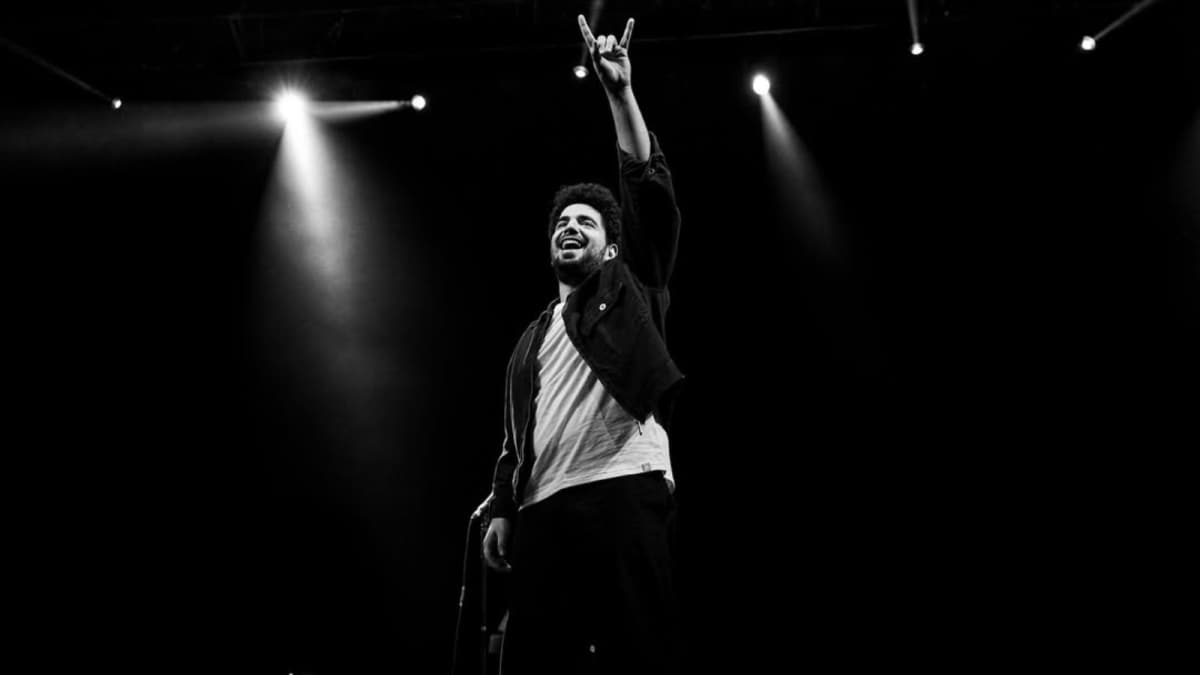
Speaking on the podcast, Nora reflected on how these early experiences shaped the way she approaches love and relationships
Whenever you hear people joking about "daddy issues" in a meme or on a dating app, it usually comes with a smirk, as if it’s just a funny excuse for someone being a bit clingy or dramatic. Honestly, I used to think it was just a punchline too – until I actually listened to Nora Fatehi’s chat on Lilly Singh’s *Shameless* podcast. The way she spoke, it felt like she was pulling back a curtain we all tend to keep shut, especially in our Indian households where family matters are often considered private.
Nora, who many of us know from her electrifying dance numbers in Bollywood, opened up about being raised by a single mother after her parents divorced. She said the void left by her father was not something that faded away with time; instead, it quietly seeped into how she trusts people, how she deals with rejection, and even how she decides to stay in a relationship.
Listening to her, I could hear that familiar echo of my own aunt’s story – how she was always the ‘first to marry, first to stay single again’, not because she wanted to be alone, but because deep down she kept waiting for that missing piece of love that reminded her of a father’s affection.
What Are ‘Daddy Issues’?
Now, before we jump into the heavy part, let’s clear the air: "daddy issues" is not a diagnostic term you’ll find in a textbook, but it’s a phrase that captures a real emotional imprint left by an absent, distant, or complicated father‑child relationship. It can show up as an anxious attachment style, low self‑esteem, difficulty setting boundaries, or an almost unconscious hunt for validation that we missed during childhood.
In Nora’s case, the absence of her father turned into an ongoing fear of abandonment. She described it as “hard to swallow that pill” when someone decides they don’t want to be with you. For many of us in India, that feeling is amplified during festivals like Diwali or Raksha Bandhan, when family gatherings become a reminder of who is missing from the photo frame.
These patterns often surface as a constant need for reassurance – like checking the phone every few minutes after a date, or feeling a pang of jealousy when a partner chats with an old friend. It’s not just about being clingy; it’s about a deeper, almost primal fear that the person you love might walk away just like a parent did when you were a child.
Psychologists say that children raised in single‑parent homes tend to develop a mix of resilience and emotional sensitivity. On one hand they learn independence early – think of a youngster who helps mom with the grocery bills or studies late into the night because there’s no one else to step in. On the other, the unresolved questions about love and trust stay tucked away, ready to pop up when they start dating.
During the podcast, Nora mentioned how these early experiences make it challenging for her to move on after a breakup. She said, “If someone does not want to be with you… it’s really hard on you. It’s hard to move on. It’s hard to swallow that pill.” That line stuck with me because it mirrors what many of us feel when a relationship ends abruptly – especially when we didn’t get a clear ‘why’ from the other side.
She added, “It’s not a him problem; it’s technically a me problem. But it’s kind of a him problem because it came from a man.” In other words, the pain isn’t just about the current partner; it’s tangled up with the old wound of a missing father figure.
What’s more, Nora confessed that her so‑called “daddy issues” have sometimes made her stay longer in relationships that weren’t good for her. “I’ve been with people who are not good for me in hindsight… but I didn’t take the breakup easily only because I didn’t resolve my abandonment issues,” she said. It’s a pattern many of us recognise – staying in a relationship because the thought of being alone feels scarier than being with someone who isn’t right for us.
What struck me most was Nora’s observation that this isn’t just her story. “I am talking about all brown families… All my friends have this issue, not just me,” she said. That comment opened a wider cultural conversation: in many South Asian homes, emotional absence isn’t always spoken about openly. The dad might be busy with work, might have left, or may simply be emotionally unavailable, and the silence around it creates a breeding ground for unspoken anxieties.
Even my neighbour, who works as a software engineer in Bengaluru, told me his younger sister once confided that she feels “unloved” whenever her dad works late night shifts and misses dinner. She said she often looks for extra affection from friends, sometimes even crossing the line into over‑dependence.
These real‑life anecdotes line up with research that shows children from single‑parent families may develop a heightened sensitivity to rejection. The brain, especially during formative years, learns to expect ‘absence’ and then interprets any form of distance in adult relationships as a repeat of that original hurt.
How Therapy and Self‑Reflection Can Help
One of the key takeaways from Nora’s conversation is that acknowledging the pattern is the first step toward changing it. Mental health professionals often emphasise the importance of recognising these attachment styles – whether it’s anxious, avoidant, or secure – so that we can consciously work on building healthier bonds.
In most cases, therapy provides a safe space to explore those childhood memories without judgment. For many Indians, the idea of seeing a therapist still carries a stigma, but slowly more people are opening up. I remember reading about a Delhi couple who attended couple’s therapy after one of them confessed a fear of abandonment rooted in their dad’s early death. The therapist helped them understand that the fear was not about the partner but about a deeper, unresolved wound.
Besides professional help, simple reflective practices can also make a difference. Journalling about past relationships, meditating on feelings of rejection, or even talking openly with a trusted friend can bring the hidden emotions to the surface. Nora herself mentioned that talking about her experiences publicly was a form of therapy – it forced her to put words to feelings that had been simmering for years.
Another practical tip that resonates with many Indian households is the idea of “emotional budgeting”. Just like we plan our finances, we can plan how much emotional energy we invest in a relationship. If you notice you’re constantly seeking reassurance, it might be a signal to step back and ask why you’re feeling that way. Maybe it’s the echo of a father’s absence calling out for validation.
When I first tried this, I set a simple rule: after any argument with my partner, I would wait an hour before reacting, giving myself time to check if the reaction was rooted in the present issue or an old scar. It felt a bit weird at first, but gradually I started seeing patterns – the moments when my anxiety spiked often aligned with memories of my dad missing my school events.
Why Nora’s Openness Matters
In many South Asian contexts, discussing mental health or family issues is often seen as airing dirty laundry. Nora’s decision to speak about her “daddy issues” on a public platform like *Shameless* is a big step toward normalising these conversations. It shows that even successful, glamorous personalities have their own inner battles.
Her story also highlights the need for broader cultural awareness. When families talk about emotional voids, they create a support system that can prevent future generations from repeating the same patterns. Imagine a household where a mother, after a divorce, openly talks about her fears of abandonment with her children. The kids learn that it’s okay to feel that way, and they’re more likely to seek help before those feelings turn into relationship sabotage.
Moreover, Nora’s comment about “all my friends have this issue” reminds us that the problem isn’t isolated to a few individuals; it’s a collective experience. By naming it, we can collectively work on solutions – whether it’s through community support groups, school counselling, or simply sharing stories over chai.
To wrap it up, Nora Fatehi’s candid revelation about her childhood abandonment and how it affects her love life is more than celebrity gossip. It’s a mirror reflecting a common, yet often hidden, emotional reality for many of us. Her journey underscores that recognising the impact of a missing father figure, confronting the associated anxieties, and seeking help – be it professional or through honest conversations – can pave the way for healthier relationships.
If you find yourself resonating with any part of Nora’s story, remember that you’re not alone. Start by acknowledging the feeling, talk to someone you trust, and consider professional guidance if you feel stuck. Healing may not be a quick fix, but as Nora’s experience shows, opening up is the first brave step.