A new global study reveals why Indian users are increasingly stepping back from dating apps.
So, I was scrolling through the news the other day and stumbled upon this study done by Ashley Madison together with YouGov. It covered six different countries and, honestly, the numbers for India totally caught my eye. India topped the chart for what the researchers called ‘dating‑app fatigue’. That’s a pretty strong statement, considering how many people in India have hopped onto apps like Tinder, Bumble, and even local ones in the last few years.
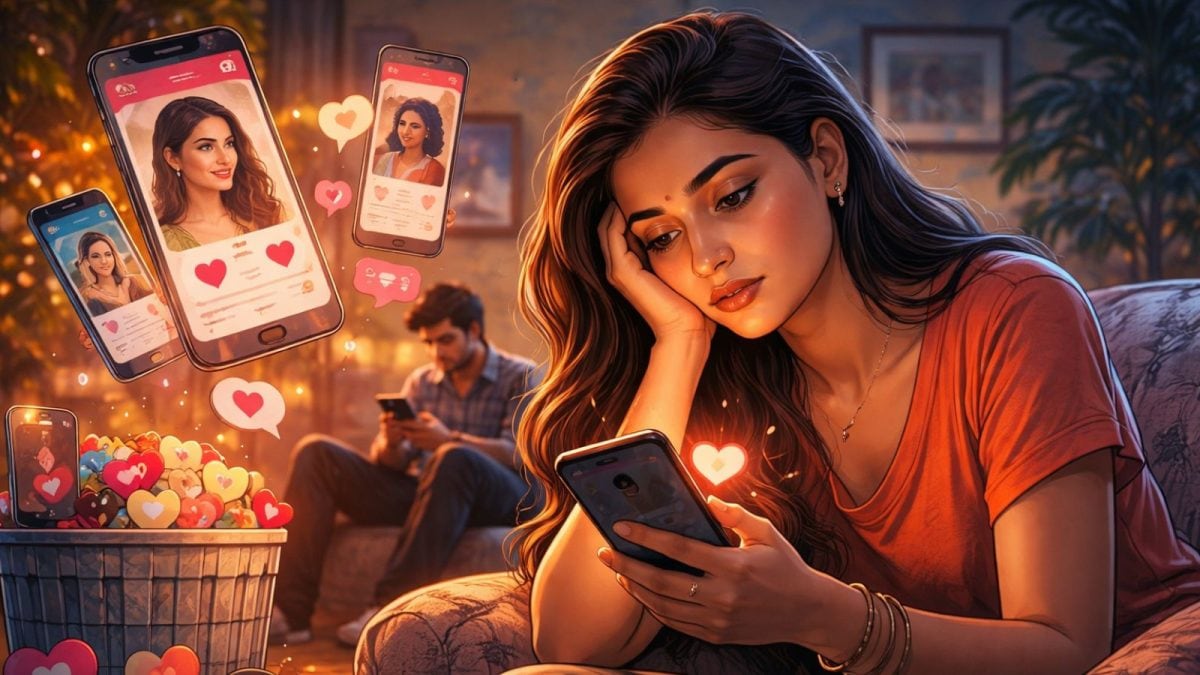
If you’re wondering what exactly this fatigue looks like, the study breaks it down nicely. It’s not just about being bored of swiping; it’s a mix of feeling forced to present a perfect online version of yourself, worrying about privacy, and just plain exhaustion from the endless cycle of matches and messages.
Why are we so tired of dating apps?
First off, the pressure to look good online is real. The survey says a whopping 39 % of Indian adults feel like they have to curate a public‑facing profile on dating platforms. That’s higher than any other country in the research. I mean, think about it – you’re constantly tweaking your bio, choosing that perfect selfie, maybe even adding a few witty lines just to stand out. It’s like preparing for a job interview every single day, but the ‘interviewer’ is a random swipe.
And it doesn’t stop there. About 31 % of Indian adults told the researchers they felt there’s too much personal disclosure way too early. This ties India with Australia for the highest level globally. I’ve seen friends get into a conversation on an app and within a couple of messages they’re already talking about family expectations or personal finances – something that would normally take weeks to get to in a face‑to‑face setting.
Privacy worries are another big piece of the puzzle. Another 39 % admitted they’re anxious about screenshots or private information being shared without consent. In a country where WhatsApp groups can have hundreds of members and information spreads fast, it’s not surprising that people are scared their private chats could end up being shown to the whole world.
The swipe fatigue is real
Beyond the emotional side, the actual mechanics of these apps are draining. The study found that 32 % of Indian adults say the constant swiping and messaging directly contributes to their dating‑app fatigue. You know how it feels after a long day at work, you open the app, and it’s just an endless river of pictures and prompts? It can feel like a treadmill you can’t get off.
Moreover, 30 % mentioned unwanted attention or messages as another major reason they’re growing disillusioned. It’s not just about getting too many matches; it’s the kind of attention that feels intrusive, sometimes even harassing. Imagine getting a message late at night from a complete stranger asking for your personal address – it’s enough to make anyone think twice.
And here’s a sobering figure: only 16 % of respondents felt comfortable sharing most aspects of their life publicly on these platforms. That basically tells us the era of oversharing is fading, at least for a large chunk of Indian users.
Dating in the post‑social‑media era
Experts are saying this isn’t just a fleeting trend. They see it as part of a bigger shift towards more intentional digital behaviour – what many call the post‑social‑media era. Across the globe, conversations about personal boundaries, privacy, and mental well‑being are getting louder. In India, where family values and community opinions still play a huge role, this shift looks a bit different but is just as noticeable.
Take my cousin, for example. He used to be on Tinder every night, swiping compulsively while on the train back from his office. Over a few months, he told me he felt “exhausted” and started deleting matches that didn’t lead to any real conversation. He now prefers meeting people through friends or at community events, where the pressure to present a polished profile isn’t there.
Similarly, many of my college friends have moved to using messaging apps like Telegram or even traditional WhatsApp groups to talk to potential partners. The idea is to keep the conversation more private and less performance‑oriented. It also reduces the risk of screenshots floating around – a concern that the study highlighted.
In most cases, the people who are stepping back from apps are doing so because they want more authentic, meaningful interactions. They’re not just looking for a quick chat; they’re looking for a connection that respects boundaries. And that, according to the data, is becoming a common sentiment across India.
Personal observations from the Indian scene
Living in a bustling city like Bengaluru, I see this fatigue manifest in everyday life. You’ll find cafés where the Wi‑Fi is strong, but the tables are empty because people are glued to their phones, endlessly scrolling. Some of those regulars will put their phones away after a while, sigh, and strike up a conversation with a stranger over the next table. It’s a small change, but it says a lot about what they’re seeking – a break from the digital chatter.
Even in smaller towns, the trend is visible. I heard a story from a friend in Jaipur who tried a popular local dating app, only to delete it after a few weeks because the constant knocks and messages felt “overwhelming”. He mentioned that his family’s reaction to any potential match was also a factor – they prefer introductions from trusted circles rather than strangers from an app.
And it’s not just the younger generation. I’ve seen my aunt, who’s in her early thirties, talk about how she tried an app once but felt she had to “hide” parts of herself to fit the app’s vibe. She said she prefers meeting people through community gatherings or alumni meet‑ups, where she can be more relaxed.
All these anecdotes line up with the numbers from Ashley Madison and YouGov – the story isn’t just about statistics, it’s about real lives, real decisions, and a growing desire for privacy and authenticity.
What does this mean for the future of digital romance in India?
If the current trend continues, we might see a shift in how dating platforms operate. Perhaps we’ll get apps that focus more on privacy, allowing users to control who sees their data and limiting the ability to screenshot conversations. Some startups are already experimenting with “disappearing” messages and more secure verification methods, which could address the 39 % privacy concern highlighted in the study.
Another possible direction is a move towards niche platforms that cater to specific communities – like regional language apps or ones that focus on shared interests rather than just looks. By narrowing the audience, users might feel less pressure to constantly curate a perfect profile, easing the 39 % pressure statistic.
There’s also the chance that a hybrid model will emerge, where traditional matchmaking services integrate with digital tools. In many Indian families, matchmakers still play a role, but they increasingly use online databases to find suitable matches. Such a model could blend the personal touch of offline introductions with the convenience of technology, possibly satisfying the desire for meaningful connections without the overload of endless swiping.
Overall, the data from Ashley Madison and YouGov suggests that the era of mindless swiping and oversharing is waning. Indian users are clearly signalling that they want more control, more privacy, and more genuine interaction. As a result, we might see a new wave of dating platforms that respect these preferences, focusing on quality rather than quantity.
Wrapping up: A personal take
From my point of view, the study feels like a mirror held up to what many of us have already sensed. The excitement of a new match can quickly turn into anxiety when you realize you have to keep up a certain image, worry about where your messages might end up, and deal with a flood of unwanted attention.
Honestly, I think it’s a healthy sign that people are stepping back to protect their mental space. It reminds me of the time when my brother decided to quit Instagram for a month because he felt exhausted from the constant need to post pictures. He came back feeling refreshed and more focused on real‑world relationships. The same pattern seems to be happening with dating apps now.
So, whether you’re still swiping or have already taken a break, the key takeaway is simple: be kind to yourself, set your own boundaries, and remember that meaningful connections often happen off the screen. The numbers from Ashley Madison and YouGov give a clear picture – Indian users are tired of the noise, and they’re ready for something more genuine.
Only time will tell how the industry adapts, but one thing’s for sure – the desire for privacy, authenticity, and a little less pressure will keep growing. And that, my friends, might just be the beginning of a more balanced digital romance era in India.