NCST Finds ‘Kumbh Girl’ Monalisa Is a Minor; FIR Registered Against Farman Khan Under POCSO
The case surrounding the viral “Kumbh girl” Monalisa has taken a serious turn, with fresh developments raising legal and ethical concerns. The young woman Monalisa, who recently married her boyfriend Farman Khan in Kerala, is now reportedly at the centre of an investigation that claims Monalisa is a minor.
According to reports, the National Commission for Scheduled Tribes (NCST) has concluded that Monalisa is 16 years old. Following these findings, an FIR has been registered against Farman Khan under the Protection of Children from Sexual Offences (POCSO) Act at the Maheshwar police station in Madhya Pradesh’s Khargone district.
How the NCST Arrived at the Minor Verdict
As per a report by Aaj Tak, the NCST conducted a detailed investigation into the matter, which established that Monalisa belongs to the Pardhi tribal community and was married off as an adult despite being underage.
The commission reportedly verified official records from the Government Medical Hospital in Maheshwar, Madhya Pradesh. Those documents indicate that Monalisa was born on December 30, 2009, at 5:50 pm. Based on this, Monalisa was 16 years old at the time of the marriage on March 11, 2026.
In most cases, such birth certificates become the backbone of legal proof, and the NCST relied heavily on those hospital records. It reminded me of the many times in my village when a birth certificate saved a family from a land dispute – simple paperwork can become a lifesaver.
The Kerala Wedding Details
The investigation also traced the wedding ceremony to the Arumanoor Temple in Poovar, near Thiruvananthapuram, Kerala. The temple administration confirmed that the marriage was conducted based on the age mentioned in the couple’s Aadhaar cards.
The marriage was later officially registered at the village panchayat office in Poovar. In many Indian temples, priests simply read out the details from the identification documents before proceeding, so it is not surprising that the temple relied on the Aadhaar data.
Honestly, this makes me think of the countless wedding photos I see on WhatsApp where the only thing that matters is the ‘yes’ and the paperwork, not the actual age of the bride or groom. It is a cultural habit that sometimes bypasses legal safeguards.
Legal Action: FIR Against Farman Khan
Following the findings, police have registered an FIR against Farman Khan at the Maheshwar police station. Reports suggest that multiple charges have been invoked, including sections under the POCSO Act, the Bharatiya Nyaya Sanhita (BNS), and the SC/ST (Prevention of Atrocities) Act, considering Monalisa’s tribal background.
The inclusion of the SC/ST Act points to the fact that Monalisa belongs to a scheduled tribe, which brings in additional protective measures. In day‑to‑day life, I have seen the tribal communities in Madhya Pradesh struggle with a lack of awareness about their rights, and this case could become a landmark for them.
When a FIR is filed under POCSO, the law is quite clear – any sexual activity with a child is a non‑bailable offence, and the courts tend to be swift. The same seriousness applies here, even though the marriage was consensual in the eyes of Monalisa and Farman Khan.
No Public Comment from Monalisa or Farman Khan Yet
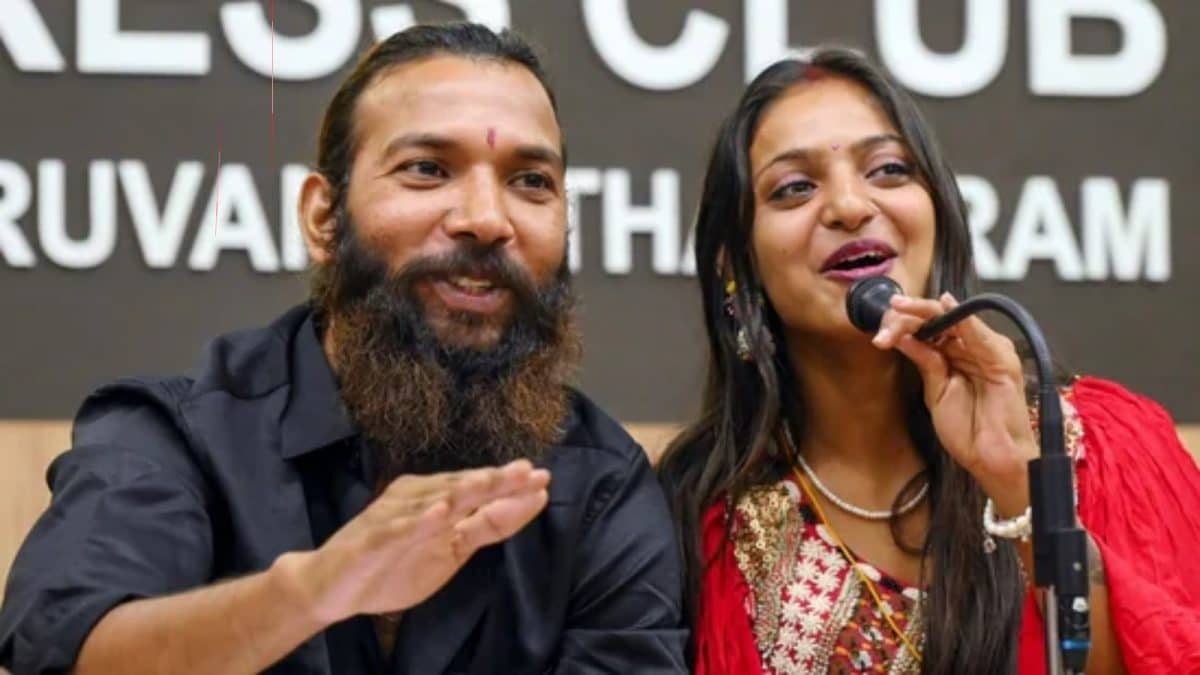
So far, neither Monalisa nor Farman Khan has issued a public statement regarding the latest developments. Earlier, during a press interaction, Monalisa had said that Monalisa fell in love with Farman Khan during a film shoot. Monalisa had claimed that Monalisa’s family was pressuring Monalisa into another marriage, which led the couple to take the step. Both Monalisa and Farman Khan had previously denied claims that Monalisa was a minor.
This silence is typical in many high‑profile cases in India where the parties prefer to let their lawyers handle the narrative. It also mirrors situations I have observed when relatives of a minor are involved – often, they wait for legal advice before speaking out.
Broader Context: Child Marriage and Tribal Rights
Child marriage remains a pressing issue across many Indian states, especially in tribal regions where traditional customs sometimes clash with statutory law. The Protection of Children from Sexual Offences (POCSO) Act, which came into force in 2012, was meant to close gaps that previous legislation left open.
In most cases, the NCST’s involvement signals that the matter has a tribal dimension. The commission was set up to safeguard the interests of scheduled tribes, and its probe here underscores the dual violation – both of child protection law and of the rights afforded to tribal communities.
When I watched a documentary on tribal wedding rituals, the elders spoke about “vivaah” being a community affair, but also about the fear of outsiders intervening. Here, the NCST’s decision could be seen as an outsider stepping in to enforce national law, which can be a delicate balance.
Possible Outcomes and What to Expect Next
Given the FIR, the next steps will likely involve an investigation by the child welfare committee, followed by a hearing in the sessions court of Khargone. If the court finds that Farman Khan is guilty under the POCSO Act, the punishment can range from a minimum of seven years to life imprisonment, depending on the severity and whether the offence is deemed aggravated.
The inclusion of the SC/ST (Prevention of Atrocities) Act could also lead to additional penalties, as it protects scheduled tribe members from exploitation. In many similar cases, the courts have imposed fines and compensation for the victim’s family, though the victim’s immediate welfare remains the priority.
Realistically, this case will take months, if not longer, to resolve. I have seen families waiting outside courts for days, hoping for a quick judgement, only to be told that due process takes time.
Public Reaction and Social Media Buzz
When the news first broke, social media platforms lit up with hashtags like #MonalisaMinor and #JusticeForMonalisa. Many users expressed anger that a minor could get married without proper consent, while some defended Farman Khan, saying the marriage was a personal choice.
Actually, the conversation mirrors the larger debate in India about respecting tribal customs versus enforcing universal child protection standards. In my own WhatsApp groups, you can hear both sides – the older generation often says “it’s our tradition”, while the younger generation quickly pulls up the POCSO Act and demands strict enforcement.
In most cases, the court of public opinion runs faster than the actual courts, but it does help keep the issue in the spotlight, which can pressure authorities to act promptly.
Conclusion: A Case That Highlights Multiple Layers of Indian Society
The NCST’s conclusion that Monalisa is a minor and the subsequent FIR against Farman Khan under the POCSO Act bring together legal, social, and cultural strands that are often tangled in Indian society. The case is not just about a single marriage; it reflects the ongoing struggle between traditional practices, especially within tribal communities, and the state’s duty to protect children.
For anyone who grew up hearing stories of early marriages in villages, this case serves as a reminder that the law can, and does, intervene when the age of consent is crossed. Whether Farman Khan will face a conviction remains to be seen, but the legal process itself sends a strong message.
In the meantime, the lives of Monalisa and Farman Khan are on hold, waiting for the wheels of justice to turn. As the investigation unfolds, many of us will be watching closely, hoping that the outcome respects both the rights of a scheduled tribe member and the protection offered to a child under Indian law.