Trump’s warning sounds like a countdown
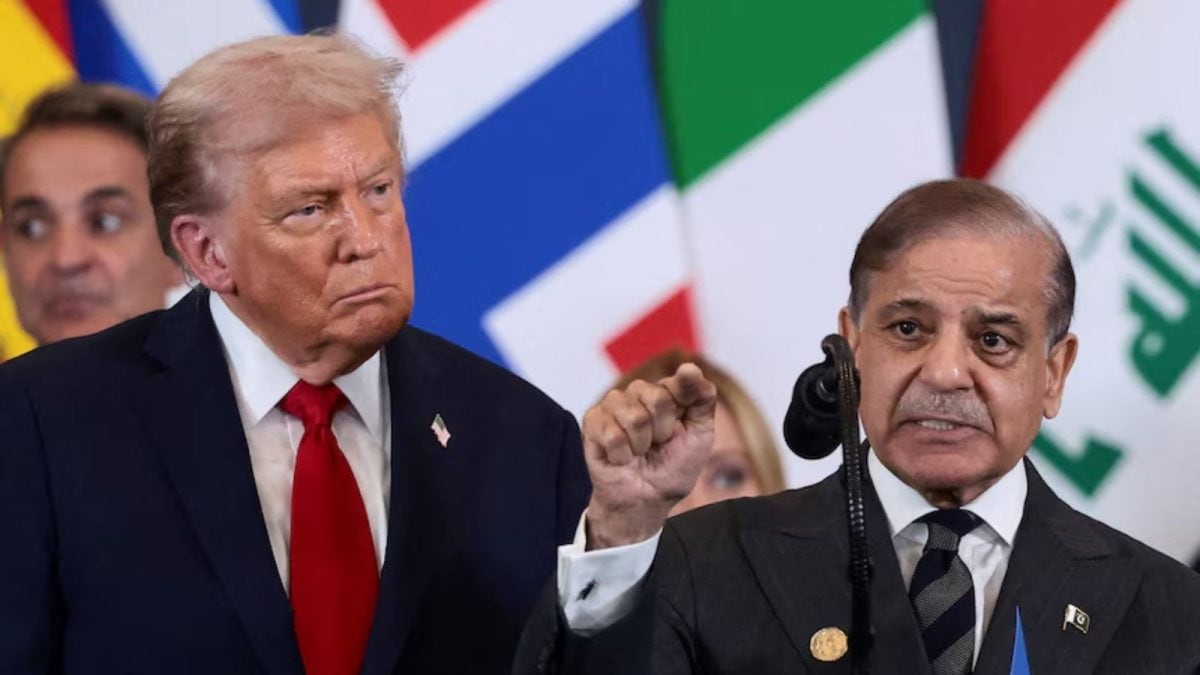
When I heard that Donald Trump was on the phone with The Post, talking about loading warships with the "best ammunition" after JD Vance’s visit to Islamabad, I felt a shiver. You know how we Indians watch the news over a cup of chai and sometimes the headlines just stick in the mind? This was one of those moments. Donald Trump said the United States would find out in about 24 hours whether a deal could be reached, and if not, the ships would be ready to use the weapons "very effectively". The tone was firm, almost like he was setting a timer on the whole situation.
He mentioned a "reset" that was going on, which to me sounded like the kind of political reboot you see on reality TV, only this time it was about international security. Donald Trump said the United States is "loading up the ships with the best ammunition, the best weapons ever made — even better than what we did previously and we blew them apart". That line, honestly, made me think of the old Bollywood action movies where the hero upgrades his arsenal before the final showdown. The underlying message was clear: the United States is not just talking; it is preparing.
Why the urgency? The background of the talks
To understand why Donald Trump sounded so urgent, we need to look at what the negotiations actually involve. The United States has been pressing Iran for a massive hand‑over of roughly 1,000 pounds of deeply buried enriched uranium. It is a number that keeps popping up in every briefing, and it is huge – imagine that much uranium stacked in a secure facility. The other big demand is to reopen the Strait of Hormuz for all shipping. The strait is a narrow waterway that sits like a bottleneck for oil and trade moving between the Middle East and the rest of the world. Even for us in India, the strait matters because a lot of our oil imports pass through there.
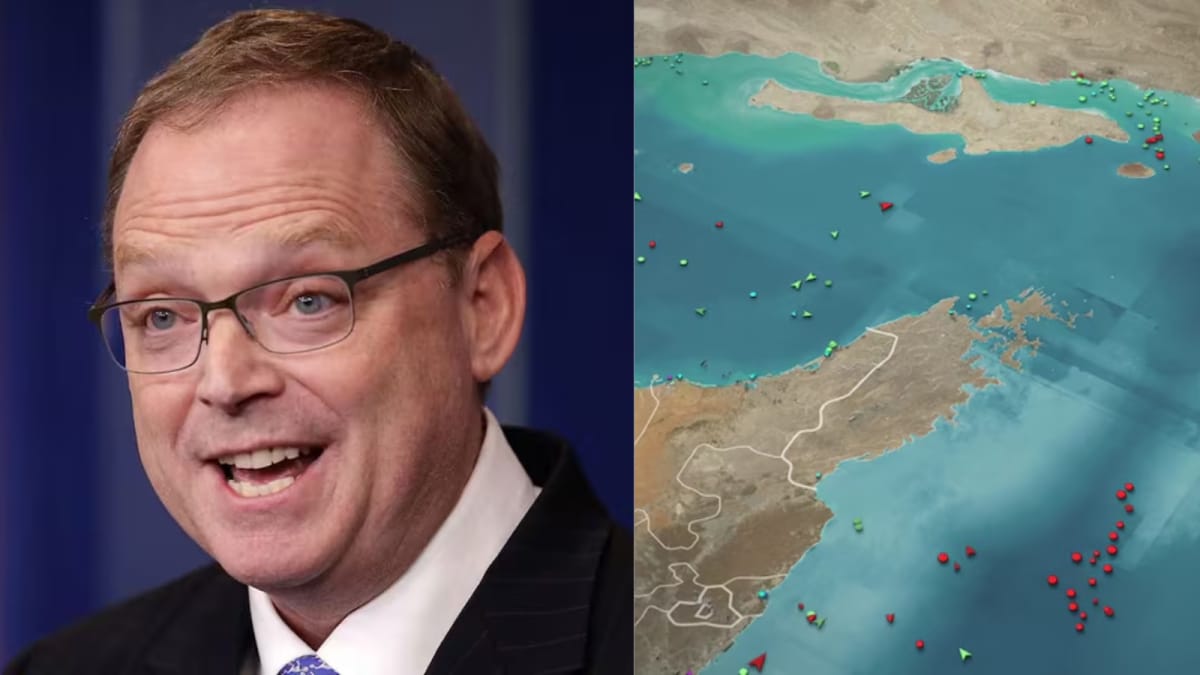
When the United States says "reopen Hormuz", it is not just about ships; it is about how quickly fuel reaches the Indian subcontinent, how stable the prices stay, and how safe the maritime routes are for the crew members who work on the cargo vessels. Since the United States struck Iran earlier, the traffic in the Hormuz waters has become sparse – only a few ships dare to go through. That scarcity is a big worry for traders in Mumbai or Chennai, who watch the cargo movements on marine trackers almost every day.
And then there’s the political angle. JD Vance, the Vice President, just finished a working visit to Islamabad, where discussions were apparently also happening about the regional stability. The timing of Donald Trump’s phone call to The Post, right after JD Vance’s trip, seemed like a cue that the United States wanted to let everyone know that patience was wearing thin.
Iran’s side of the story – who will speak for Tehran?
On the Iranian side, the delegation expected to appear in Islamabad includes Foreign Minister Abbas Araghchi and Parliament Speaker Mohammad Bagher Ghalibaf. Both of them have been very vocal about Iran’s stance. Abbas Araghchi has long said, even before the current flare‑up, that Iran has an inalienable right to enrich uranium. That statement is something you hear a lot in Tehran’s news channels, and it reflects a deep‑seated belief that the country should not be forced to give up its nuclear capabilities without a proper deal.
Mohammad Bagher Ghalibaf, as the Parliament Speaker, also brings a political weight to the table. He often emphasizes that Iran will not back down on what it calls its sovereign rights. The two together make a strong front for Iran, signalling that they are prepared to negotiate but also firm on certain demands.
Donald Trump, however, seemed skeptical about Tehran’s honesty. He told The Post, "You’re dealing against people that we don’t know whether or not they tell the truth. To our face, they’re getting rid of all nuclear weapons, everything’s gone. And then they go out to the press and say, ‘No, we’d like to enrich.’ So we’ll find out." That line made me think of the many times we Indian politicians promise one thing in Parliament and then say something else in the media. It’s a familiar pattern, but in this case, the stakes are global.
Key points in the upcoming discussions
The core agenda for the Islamabad talks revolves around two things that the United States has been clear about: the hand‑over of the enriched uranium and the reopening of the Strait of Hormuz. Both are non‑negotiable from Washington’s perspective. The United States wants the buried uranium to be taken out of the ground and placed under stringent international supervision. That is seen as a way to reduce the nuclear threat and also to gain leverage over Iran’s future nuclear program.
On the other hand, Iran wants assurance that its right to peaceful nuclear energy is not taken away. The country has highlighted that the uranium enrichment is for civilian purposes, like generating electricity, and not for weapons. This tug‑of‑war over the narrative – peaceful versus military – is what Donald Trump keeps calling out in his statements.
Another point that’s quietly lingering is the regional influence of Israel. Although not directly mentioned in Donald Trump’s phone call, the dynamics between Israel and Iran have always been a background factor. In Indian homes, when we talk about Middle East news, it’s hard not to bring up the Israel‑Iran rivalry, because it often shapes the policies of other countries, including the United States.
What this could mean for everyday life in India
From my kitchen table in Bangalore, I can see why the situation feels like an alarm bell. If the United States decides to use the “best ammunition” it has prepared, there could be an escalation that disrupts shipping routes in the Arabian Sea. Many Indian exporters depend on those routes to send goods to the Middle East and Europe. A sudden closure or a flare‑up could mean delays, higher freight charges, and a spike in diesel prices back home.
Think about the Chennai port, where a lot of oil tankers dock. If the Strait of Hormuz remains closed, the alternative routes are longer and costlier, and that cost eventually trickles down to the fuel stations on our streets. I’ve seen that happen when oil prices go up after geopolitical tensions – the supermarkets raise the price of cooking oil, and the whole market feels the pinch.
Besides economic effects, there’s the human aspect. My cousin works on a cargo ship that occasionally passes near the Hormuz waters. He told me that the crew feels uneasy whenever there are news reports of possible military action. The crew’s anxiety is something we rarely hear about in the headlines, but it’s real for families waiting for their loved ones back home.
Personal take – why I’m watching this closely
Honestly, I never thought I’d be so invested in a story about warships and uranium when I was a kid watching cricket. But now, every evening after work, I find myself scrolling through news apps, checking if there’s any update on the Islamabad talks. It’s a mix of curiosity and a bit of dread. The way Donald Trump says "we will find out in about 24 hours" feels like a countdown timer you see on a TV game show – you just wait to see what happens next.
In my neighbourhood, people discuss it over tea, speculating whether the United States will actually launch a strike or settle for a diplomatic compromise. Some say the United States is just flexing its muscles to get a better bargaining position. Others think that Tehran will hold its ground because losing the enriched uranium would be a big blow to its national pride.
What’s clear to me is that the world is watching, and the ripple effect will touch many lives – not just the politicians in Washington or Tehran, but the truck drivers in Delhi, the fishermen off the coast of Gujarat, and the students in Pune who might see their tuition fees go up because of inflation spurred by oil price hikes.
Possible scenarios – what might happen after the 24‑hour window?
If a deal is reached within the promised 24 hours, the United States might pull back the warships, and the focus could shift to verification and implementation. That would be a relief for many, especially the shipping community. It would also mean that the United States would still keep a strong naval presence in the region, just not actively preparing for an attack.
If the talks break down, Donald Trump’s warning suggests that the United States will use the “best ammunition” it has loaded. That could translate into targeted strikes on Iranian facilities related to the uranium program, or it could involve a show of force aimed at deterring further enrichment activities. Such a move would almost certainly tighten the security around the Strait of Hormuz, possibly leading to a temporary halt of commercial shipping through the waterway.
Either way, the world will be keeping a close eye on the developments. In India, the Ministry of External Affairs would likely issue advisories to shipping companies, and the central bank might monitor the impact on the rupee, especially if oil import costs rise sharply.
Conclusion – a watchful eye on a volatile region
All things considered, Donald Trump’s statement to The Post was not just a political sound bite; it was a clear indication that the United States is ready to back its words with action if needed. The presence of JD Vance in Islamabad, the expected participation of Abbas Araghchi and Mohammad Bagher Ghalibaf from Iran, and the core issues of enriched uranium and the Strait of Hormuz make this a high‑stakes negotiation.
For us ordinary folks back in India, the news may feel far removed, but the implications travel through the shipping lanes, affect oil prices, and even shape the mood of families with members working at sea. Whether the next 24 hours bring a peace deal or a pre‑emptive military stance, the ripple effect will be felt across continents. Until the outcome is clear, I’ll keep my chai hot and my news feed refreshed, hoping for a solution that favors peace over firepower.