Why I’m watching Kolkata Port this time
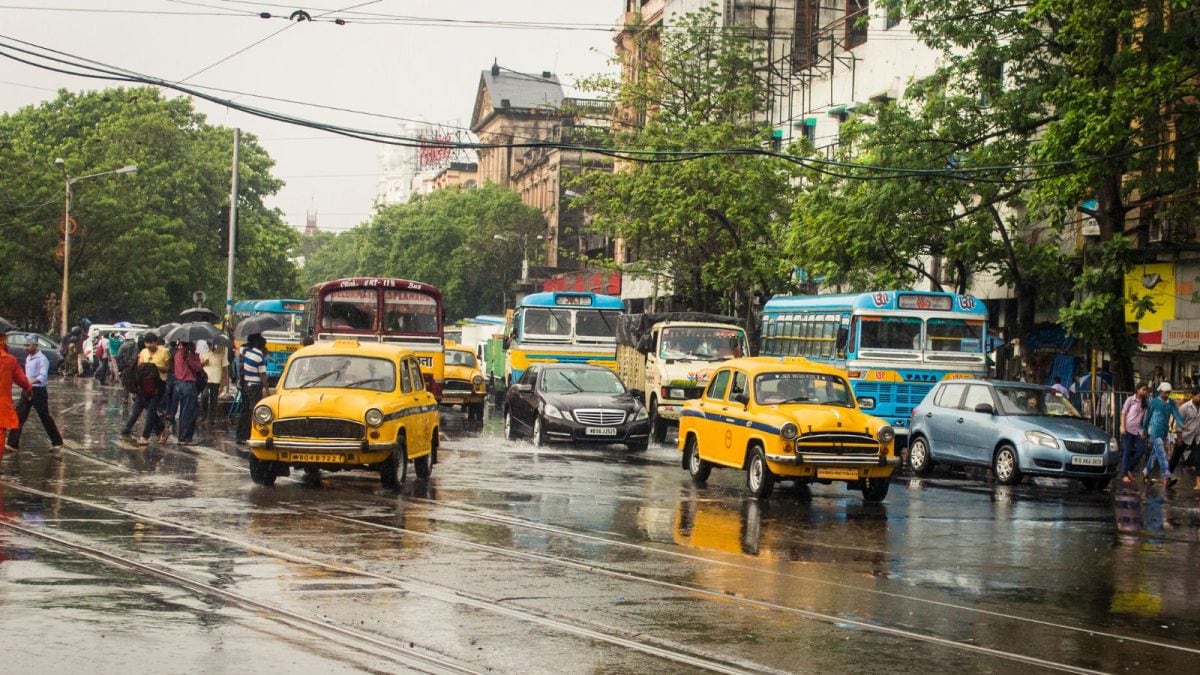
Honestly, whenever I hear anyone talk about West Bengal politics, the first name that pops up for me is Firhad Hakim. He’s not just a minister; he’s also the mayor of the city I grew up in. The Kolkata Port assembly seat, nestled in the Kolkata Dakshin Lok Sabha segment, feels like a little micro‑cosm of the city’s hustle – you have the busy wharfs of Garden Reach, the narrow lanes of Metiabruz, and the ever‑crowded streets of Kidderpore. I’ve spent many evenings strolling there, buying chaats from street vendors, and listening to the chatter about upcoming elections. So, when the 2026 assembly polls were announced, I could not help but keep a close eye on this constituency.
What makes this seat interesting is the blend of continuity and uncertainty. Since 2011, Firhad Hakim has held onto the seat, and his name is practically carved into the local political landscape. Yet, the opposition parties are still trying to figure out who can give him a run for his money. That tug‑of‑war between a seasoned incumbent and an emerging set of challengers is what I think will shape the story for the next few months.
Who is in the race? The confirmed and the hopefuls
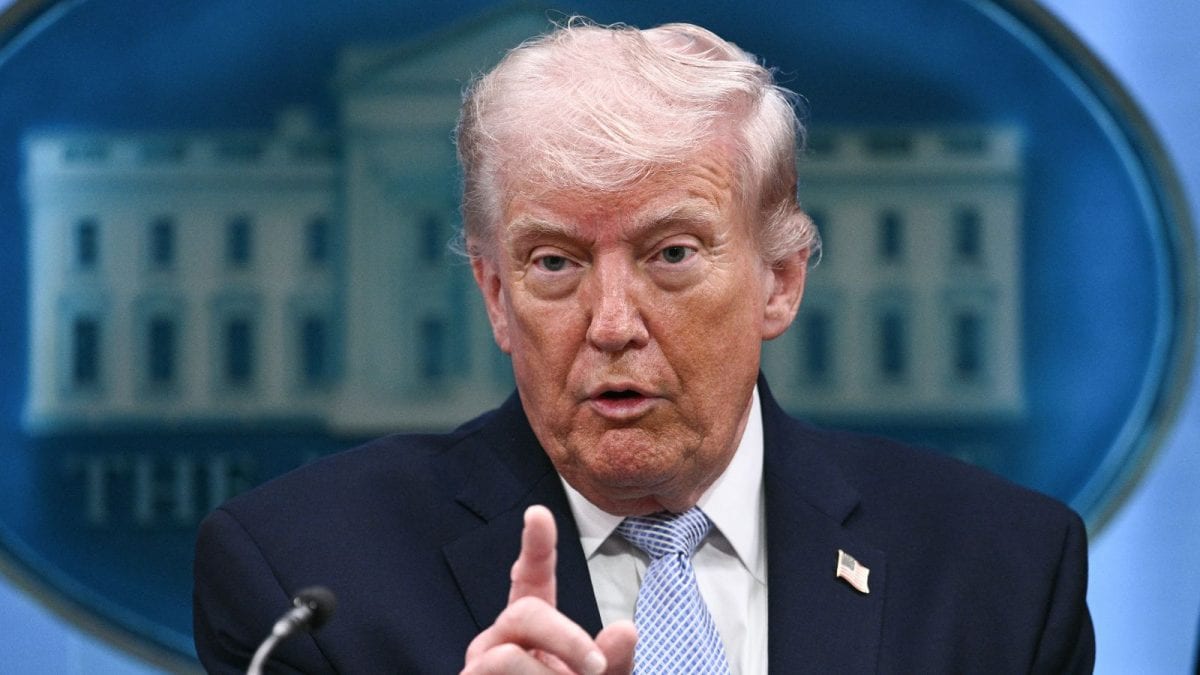
As of now, the only candidate whose name has been officially announced and confirmed is, of course, Firhad Hakim representing the Trinamool Congress (TMC). His candidature feels almost a given – you know, once a mayor decides to contest a legislative seat, there’s hardly any surprise.
Beyond him, the media have been whispering about a few names that could potentially join the fray once the party lists are finalised. Here’s the line‑up as it stands:
- Trinamool Congress (TMC) – Firhad Hakim
- Bharatiya Janata Party (BJP) – Rakesh Singh
- Left Front (CPI‑M‑led alliance) – Faiyaz Khan
- Indian National Congress (INC) – Aquib Gulzar
These names have appeared in various party releases and local news snippets, but they are not set in stone yet. The nominations are still being filed for the Phase‑2 seats, and it’s quite possible that we might see some late‑comers pushing their way onto the ballot before the withdrawal deadline closes. Still, the four names above give us a decent picture of the main players.
From my perspective, the most significant thing to watch is whether the BJP can field a candidate that has enough local clout to dent the TMC’s dominance. Rakesh Singh, for instance, has been active in the area’s grassroots movements, but he’s yet to become a household name like Hakim.
Looking back – the 2021 election snapshot
To understand what might happen in 2026, it helps to recall what transpired in the last assembly contest. In 2021, Firhad Hakim won the seat with a comfortable margin. The final tally showed:
- Winner: Firhad Hakim (TMC)
- Runner‑up: Awadh Kishore Gupta (BJP)
- Victory margin: 68,554 votes
This margin wasn’t just a number; it was a clear signal that the constituency was firmly in the TMC’s parking lot. The next‑door parties, especially the BJP, struggled to make inroads despite a concerted campaign. The Left Front and the Congress barely registered on the radar, as they have been largely sidelined in this part of the city for a while.
When I lived in Kidderpore during those elections, the air was thick with TMC’s Green and white banners. Even the local tea stalls would have piles of pamphlets and a chorus of supporters chanting “TMC strong.” It was hard to imagine any other party pulling a surprise victory out of the hat.
Why the TMC feels invincible here – the political significance
There are a few reasons why the TMC’s grip on Kolkata Port feels almost unbreakable:
- Firhad Hakim’s long‑standing influence – Over a decade of serving the area has built a personal connect with voters. He’s known for quick action on local issues, like approving new drainage projects or fixing road potholes.
- Strong organisational network of the party – The TMC has a dense web of volunteers, block‑level committees, and social workers who constantly stay in touch with the electorate.
- Consistent electoral performance since 2011 – Winning three consecutive terms has cemented the perception that a TMC candidate is the safe choice for the constituency.
From a personal angle, I remember when a water‑logging problem hit Metiabruz a few monsoons back; the TMC office was out there in full force, distributing sandbags and coordinating with the municipal corporation. Such acts of visible presence reinforce the party’s image as the ‘people’s’ choice.
What’s at stake for the people? Key issues that will dominate the 2026 campaign
While the big picture is about party politics, the voters in Kolkata Port have day‑to‑day concerns that shape their voting behaviour. Here are the four main issues that are likely to be the centre of every rally and door‑to‑door conversation:
- Employment linked to the port and informal sectors – A large chunk of the population works as dock workers, loaders, or in small‑scale industries that depend on the port’s activity. Any slowdown or policy change can directly affect their livelihood.
- Housing and infrastructure in densely populated areas – Areas like Garden Reach have a mix of old chawls and newer apartments. Overcrowding, illegal construction, and the lack of affordable housing are daily worries.
- Civic services – drainage, sanitation and street lighting – During heavy rains, water‑logging becomes a nightmare. Residents often complain about delayed repairs and insufficient garbage collection.
- Citizenship and documentation concerns – Many migrants in the constituency still face issues getting proper residency certificates or voter IDs, which restricts their access to government schemes.
Whenever I walk through the market in Metiabruz, I hear shop owners lamenting the lack of reliable power supply, while daily‑wage workers talk about the need for skill‑training programmes. These anecdotes remind me that elections are not just about parties; they’re about solving concrete problems that affect the people’s everyday life.
Ground assessment – Is Kolkata Port a swing seat or a safe haven?
So, will the opposition manage to flip this seat? In my humble view, it looks more like a safe haven for the TMC rather than a swing seat. The lack of a strong, well‑known opposition candidate so far makes it difficult for challengers to gain traction. The BJP’s Rakesh Singh is enthusiastic, but he is still trying to build a grassroots base that matches Hakim’s decade‑long rapport.
The main battle, I think, will be about the size of the victory margin. If the BJP or the Left Front can mobilise enough local workers and present a convincing alternative on employment or civic services, they might squeeze the margin down. However, a complete reversal – where the TMC loses the seat – feels quite unlikely unless there’s a major political storm or an unexpected scandal.
From a personal standpoint, I can say that many families I know have voted TMC in almost every election because they feel that the party delivers basic amenities faster. Changing that mindset would require a very strong, localized campaign that addresses the community’s core concerns, something the opposition is still figuring out.
My verdict – What the 2026 showdown could look like
All things considered, with Firhad Hakim as the only clearly confirmed major candidate, Kolkata Port is shaping up to stay under the TMC’s banner for the next term. The ruling party’s organisational muscle, combined with Hakim’s personal standing, gives them a clear edge. The opposition parties – BJP, Left Front, and Congress – have their candidates ready, but they will have to work extra hard to close the gap.
There’s still a chance that late entries or a sudden shift in voter sentiment could add a twist, but as of now the picture is fairly stable. For anyone living in the area, the upcoming election will probably feel like another round of promises about better drainage, more jobs at the port, and faster documentation processes. Whether those promises translate into real action will be the ultimate test after the votes are counted.
In the end, I’ll be watching the rallies, listening to the street‑level discussions, and maybe even joining a few door‑to‑door canvassing trips just to see how the narrative evolves. After all, politics in Kolkata is as much about the personal touch as it is about party symbols.