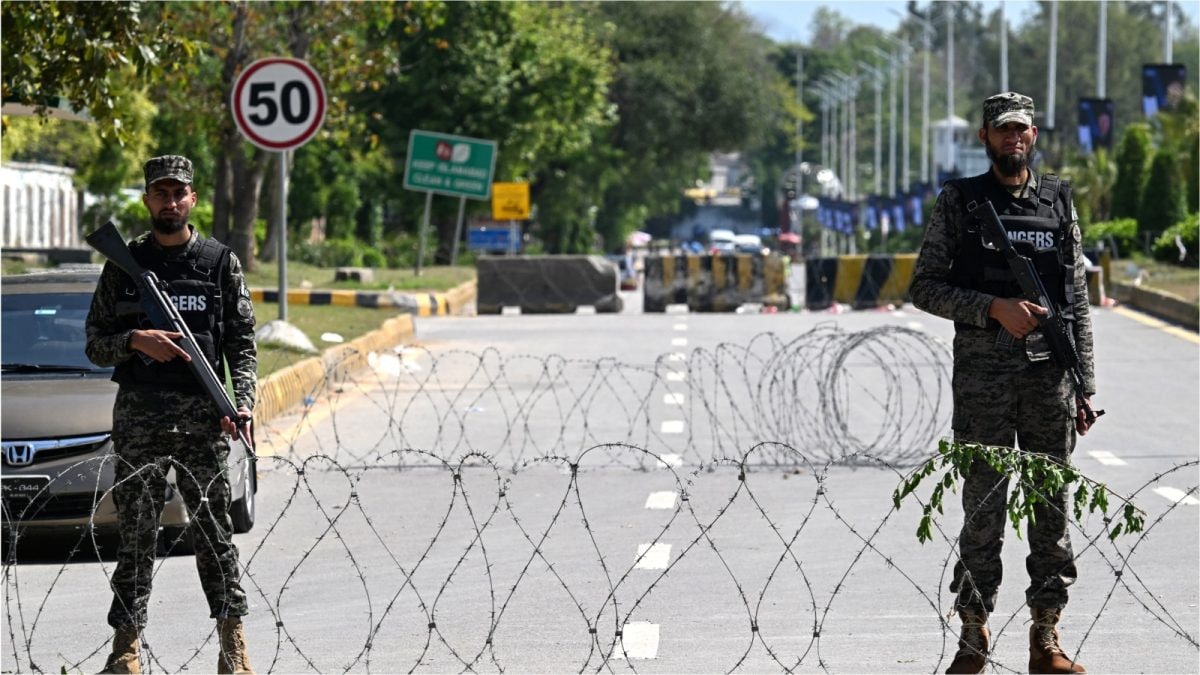
The Islamabad Capital Administration has declared April 11 a public holiday in a direct response to the expanding scope of the diplomatic engagement
Let me tell you how it feels when an entire capital city suddenly pauses its usual hustle just because of some big‑time diplomatic drama. On the morning of the announced holiday, the streets of Islamabad were oddly quiet – not the usual traffic jams, street vendors, or school‑run buses. Instead, you could see a line of security vans, armed personnel, and a bunch of signs saying "Red Zone". The federal administration had actually extended the local holiday to Saturday, all to give space for the high‑stakes US‑Iran peace talks that were about to kick off.
It wasn’t just a symbolic gesture. The capital had been under a Red Zone lockdown since Thursday, which meant that normal civic activities were essentially put on hold. This lockdown turned the city into something that felt more like a fortified base than a bustling metropolis. The Serena Hotel, which usually hosts tourists and conferences, was completely requisitioned. It became the makeshift war‑room where Pakistani mediators, US Vice President JD Vance, and senior Iranian officials were shuffling papers, sipping tea, and trying to thread a fragile two‑week cease‑fire together.
Why has Islamabad declared an additional holiday for April 11?
Every time a high‑ranking delegation arrives, you need extra security personnel, traffic diversions, and a clear corridor for press vehicles. By making the day a holiday, the administration could control the movement of advance security teams without worrying about daily commuters. It also meant that the local press could focus entirely on covering the talks rather than juggling traffic reports.
Even the neighbouring city of Rawalpindi felt the ripple effect. Markets were ordered shut, not because the traders were against peace, but simply to avoid any logistical bottlenecks that could disrupt the delicate shuttle diplomacy happening between the two sides.
The atmosphere inside the Serena Hotel: a mix of urgency and tension
Stepping inside the Serena Hotel felt like entering a different world. The usual chatter of guests was replaced by hushed conversations in multiple languages. Pakistani mediators were literally working around the clock – you could see them with coffee cups, notes scattered on tables, and a whiteboard filled with bullet points about maritime security, nuclear constraints, and cease‑fire verification.
Prime Minister Shehbaz Sharif kept popping in and out, his presence a reminder that the whole nation was watching. Field Marshal Asim Munir, the chief security officer, supervised the perimeter with an intensity that reminded me of the security drills we see during elections. The whole vibe was "make or break," as Prime Minister Shehbaz Sharif described it.
Outside the conference rooms, the tension was palpable. Whenever a senior US official or an Iranian delegate stepped out into the hallway, you could hear a brief murmur among the staff, as if they were waiting for the next line of negotiation to be delivered. The atmosphere was combustible, not because of any immediate threat, but because the stakes were so high – one wrong word could set the whole cease‑fire apart.
President Donald Trump's "no cards" warning – what it really meant
When President Donald Trump took to his usual platform and warned Iran that "they have no cards left," it sent a strong ripple through the corridors of power in Islamabad. The message was crystal clear: after forty days of relentless conflict, Iran's military capability had been severely degraded, and the only reason they were still in the game was to negotiate.
President Donald Trump’s blunt assessment was meant to remind the Iranian delegation that any aggressive posturing would not be tolerated. It also put the Pakistani mediators in a tough spot – they had to keep the Iranian side at the table while the US was basically holding a finger on the trigger.
For us on the ground, hearing that rhetoric made the atmosphere even more heated. Iranian officials, who have labelled the US tone as "belligerent and insulting," were visibly trying to manage their diplomats' composure, while US officials seemed to be walking a fine line between firm pressure and diplomatic courtesy.
The Strait of Hormuz: why control of this waterway matters so much
The next big piece of the puzzle was the Strait of Hormuz. President Donald Trump kept talking about the "short‑term extortion" that Iran was exercising by threatening to close the strait. For the United States, reopening this oil artery was non‑negotiable – the US 15‑point peace plan put the free flow of global energy markets at the top of the list.
Iran, on the other hand, sees the strait as a valuable bargaining chip. Their 10‑point counter‑proposal suggested a phased withdrawal from the strait in exchange for the release of frozen assets and the lifting of economic sanctions. President Donald Trump’s later post, however, made it clear that the US was not willing to accept a deal that looked like a "trade‑off". He framed any Iranian attempt to negotiate on the waters as global blackmail that could not be tolerated.
Imagine a tug‑of‑war in a marketplace: on one side you have the US demanding an immediate, unconditional opening; on the other side, Iran wants concessions that could help its battered economy. Both sides are holding firm, and the entire negotiation becomes a balance between strategic leverage and humanitarian need.
Can a breakthrough happen amid such heavy rhetoric?
The real paradox of the Islamabad talks is that both parties are shouting strength while secretly looking for a way out. Even though President Donald Trump keeps saying "no cards", the Iranian delegation – which includes Parliament Speaker Mohammad Bagher Ghalibaf – is pushing for a "comprehensive solution" that goes beyond the immediate cease‑fire and includes an end to Israeli operations in Lebanon.
The conflict in Lebanon, often referred to as "Operation Eternal Darkness" by the IDF, adds another layer of complexity. Iran insists that the original cease‑fire aGreement covered Lebanon, so any resolution must also address that front. This insistence has made the Islamabad process far more intricate than just a US‑Iran waterway issue.
Prime Minister Shehbaz Sharif, Field Marshal Asim Munir, and the informal team of Pakistani mediators have been trying to keep the conversations alive by setting up separate wings of the Serena Hotel for each delegation. The goal for the April 11 session is to translate President Donald Trump’s demand for a "real aGreement" into a technical roadmap that tackles nuclear constraints, maritime security, and the wider regional concerns.
Honestly, after five weeks of war, both sides are exhausted. The fiery rhetoric on both ends might be a way to maintain face, but deep down, there’s an appetite for a face‑saving exit. That’s why, despite the harsh words, there’s still a glimmer of hope that a breakthrough can be carved out.
Everyday life in Islamabad during the talks
While all the high‑level negotiations were happening, ordinary people in Islamabad were dealing with the ripple effect. Schools were closed, a few local shops that managed to stay open were sold out quickly, and the usual traffic jams were replaced by a strange stillness. I remember walking past a tea stall that usually served dozens of commuters every hour; the owner was there, but the queue was empty. He told me he was waiting for the holiday to end so business could return.
Even the local transport drivers were given special passes to move only essential personnel. Many of them shared stories of how they felt a mix of pride and anxiety – pride because their city was at the centre of world peace talks, anxiety because any misstep could bring trouble right to their doorstep.
For those of us who weren’t directly involved, the buzz was the same: every news channel, every social media feed, every conversation at the roadside turned to the talks. We’d hear the same phrases repeated – "Red Zone", "no cards", "Strait of Hormuz" – and would try to make sense of it over a cup of chai.
Looking ahead: what could the outcome mean for the region?
At the end of the day, the outcome of these talks could reshape the whole region’s stability. If the US‑Iran negotiations manage to secure an unconditional opening of the Strait of Hormuz, global oil prices could stabilise, which would be a relief for many Indian families who watch fuel prices spike every time the strait is threatened.
On the other hand, if Iran manages to extract some concessions on sanctions relief, it could boost its economy and possibly reduce the incentive for future provocations. Either way, the role of Pakistan as the mediator is central – Prime Minister Shehbaz Sharif’s diplomatic skill could either cement Islamabad’s reputation as a peace‑broker or, if things go south, it could be a missed opportunity.
Personally, I’m hopeful. After seeing the sheer amount of effort put in – the security forces staying alert, the mediators working late into the night, the delegates traveling back and forth – I feel there’s a sincere desire to avoid more bloodshed. It’s not just about politics; it’s about real people on both sides who want their families safe.