China quietly nudged Iran toward talks, earning goodwill from Trump
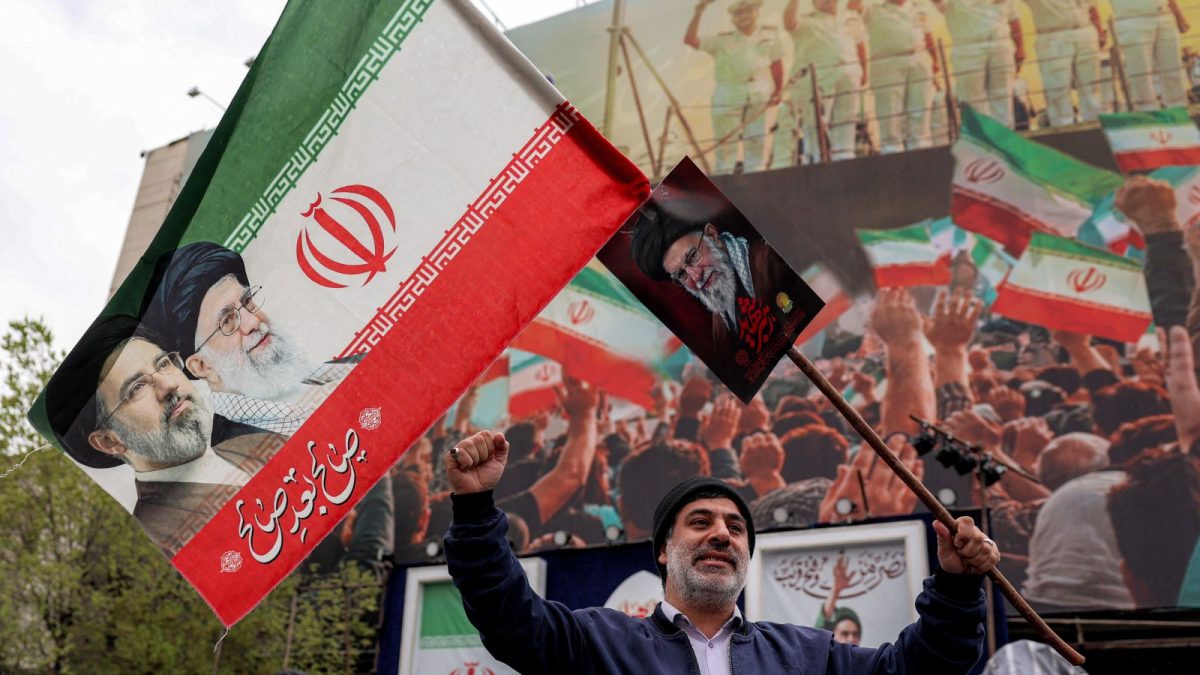
When I first read about the whole Iran‑United States standoff, I thought it was just another headline waiting for a military escalation. But then I came across a story that felt more like a behind‑the‑scenes drama. Apparently, China stepped in, not with soldiers or loud slogans, but with a gentle push that seemed to shift Iran’s stance toward a cease‑fire dialogue with the United States.
What surprised me the most was the subtlety of the move. China never announced a grand peace plan, never put itself front‑and‑center as a mediator. Instead, China used its long‑standing relationship with Tehran to encourage a change in tone. In the process, Donald Trump actually mentioned China’s role publicly, giving Beijing a rare nod of appreciation from the United States.
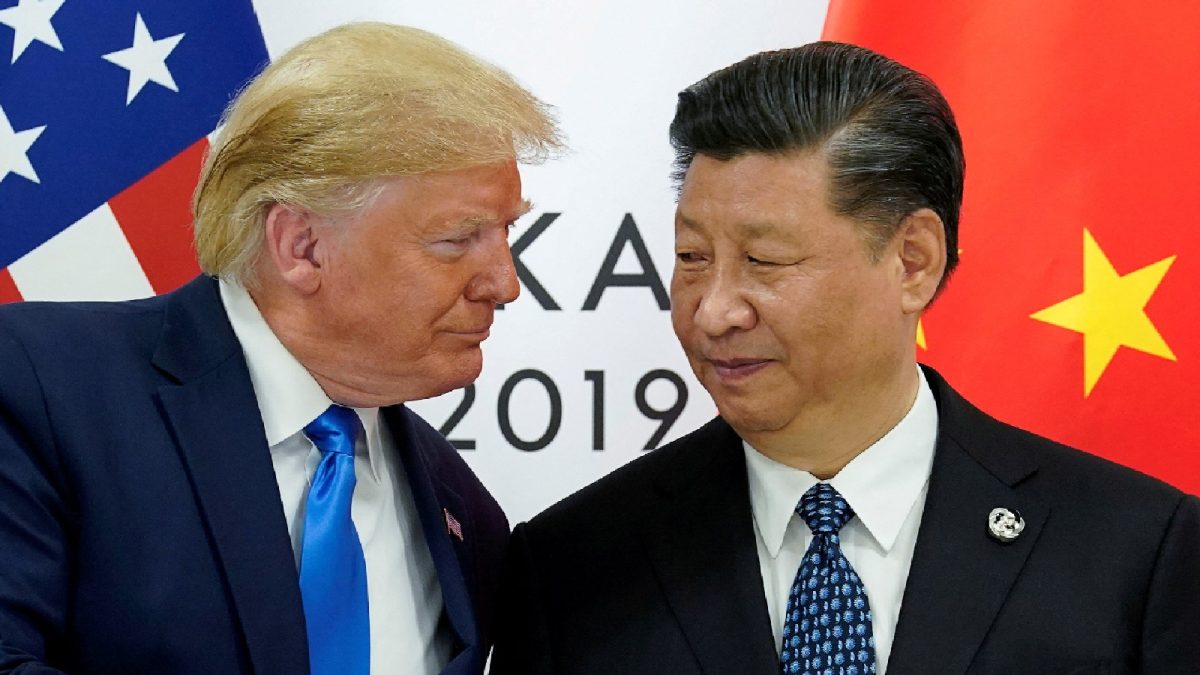
According to reports from AFP, Donald Trump believes China convinced Iran to sit down for a cease‑fire discussion at a time when the United States seemed on the brink of a larger conflict. In a relationship that is usually defined by rivalry, China managed to appear useful, and that usefulness was recognized by Donald Trump.
China’s intervention was deliberately low‑key. It didn’t try to broker a final aGreement or guarantee a specific outcome. It simply encouraged dialogue, signaled restraint, and let other parties carry the formal mediation load. This restraint, in my view, is exactly why the move worked.
By keeping its hands clean, China earned diplomatic goodwill in Washington without getting tangled in the risks of a potential collapse. If the talks fell apart, China would lose very little. If they succeeded, China would get a slice of the credit – especially from Donald Trump.
The broader US‑China rivalry
Now, let’s step back a bit and see why this episode matters in the grand scheme of things. The United States and China are not natural allies; they are strategic competitors caught up in a tangle of trade, technology and geopolitical flashpoints.
Take trade, for example. Under Donald Trump, the United States slapped tariffs of up to 25 percent on roughly $360 billion worth of Chinese goods, ranging from cheap phone accessories to heavy machinery. China answered with its own set of tariffs on about $110 billion of United States exports. The back‑and‑forth turned the two economies into a sort of commercial battlefield.
Technology is another hot arena. Washington has tightened restrictions on China’s access to advanced semiconductors and artificial‑intelligence tools, targeting firms like Huawei. This tech war is more than just about gadgets; it’s about who controls the future of innovation.
Then there are the geopolitical pressure points. Taiwan remains extremely sensitive – China claims it as its own, while the United States continues to support the island. In the South China Sea, overlapping claims and naval posturing keep the tension alive. All these issues feed into the larger question of who will shape the global order in the coming decades.Given this backdrop, even a modest act – like China nudging Iran toward talks – stands out as a rare moment of cooperation amidst the usual competition.
How the Iran move helps China ahead of Donald Trump’s Beijing visit
For China, the Iran episode isn’t just about the Middle East; it’s also a strategic piece in the puzzle leading up to a high‑profile summit in Beijing. Donald Trump is scheduled to meet Xi Jinping in the Chinese capital, a meeting that has been delayed a few times because of the Iran conflict. This summit is being watched closely, as it could either stabilise ties between the world’s two biggest economies or deepen the divide.
By helping to ease the Iran tension, China creates a layer of goodwill that could be useful in several other arenas – from trade negotiations to technology bans, even to strategic pressure points across Asia. Imagine the conversation in a boardroom in Delhi where Indian businessmen are discussing how the United States might ease certain tariffs on Indian exports. If the United States feels a bit of gratitude toward China, that sentiment could subtly influence the tone of those discussions.
One concrete area where this goodwill might translate into leverage is the ongoing tariff dispute. The agenda for the upcoming summit is expected to include topics like tariff reductions, rare‑earth supply chains, and technology export controls. China could politely ask, “We helped you on Iran, what can you do for us on tariffs?” – a simple but powerful bargaining chip.
Moreover, the episode shows that China can act as a crisis manager – a bridge of communication that the United States cannot simply ignore. In a situation where both sides want to avoid outright escalation, this positioning could be crucial.
Timing – why China’s move was perfectly timed
The timing, in my opinion, was no accident. China chose to intervene just weeks before the high‑stakes summit where Donald Trump will seek concessions and Xi Jinping will look for relief. By stepping in now, China ensures that when the talks start, it is not merely another player, but a party that has just demonstrated its usefulness in a live geopolitical crisis.
Think of it like a friend who helps you move heavy furniture just before you host a big party – the gesture earns you both gratitude and a stronger bond. In the same way, China’s nudge to Iran may have nudged the United States‑China conversation in its own favour.
It’s also worth noting that the move was low‑key on purpose. By not claiming the limelight, China avoided the risk of being held responsible if the talks fell apart. This cautious approach mirrors the way many Indian families handle delicate matters – offering help quietly, without making a big deal out of it.
Overall, the episode shows how crisis diplomacy can be turned into a subtle power play. Even when two giants are locked in rivalry, a well‑timed, modest act can shift the balance of goodwill, and that balance can be decisive in future negotiations.
Personal reflections on the diplomatic dance
Living in Mumbai, I often hear debates about China‑United States relations on news channels while sipping chai at the local tea stall. The usual narrative is that they are constantly at odds – a tug‑of‑war over trade, technology and territory. So when I stumbled upon this story about China’s quiet push on Iran, it felt like a fresh breeze.
It reminded me of the way my uncle, a retired army officer, used to mediate family disputes. He never shouted, never took credit; he simply nudged the parties toward a middle ground and let the rest happen on its own. The same principle seems to apply here – China’s subtle influence, rather than overt leadership, made the difference.
Another thing that struck me was the role of perception. Donald Trump publicly acknowledged China’s help, which in turn painted China as a responsible actor, at least in that specific context. Perception matters a lot, whether you’re bargaining in a roadside market in Delhi or negotiating multibillion‑dollar trade deals in Washington.
From a broader Indian perspective, this episode also signals that there are moments when great powers can find common ground, even if temporarily. It gives a little hope that diplomatic creativity, not just hard power, can shape outcomes.