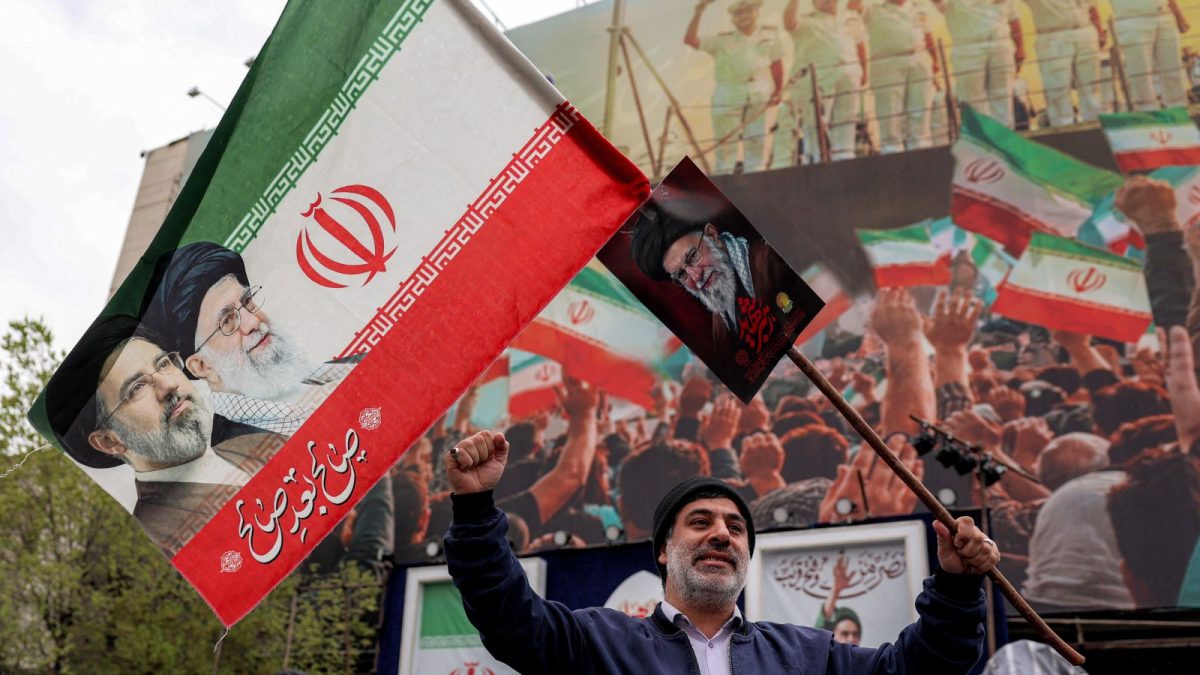
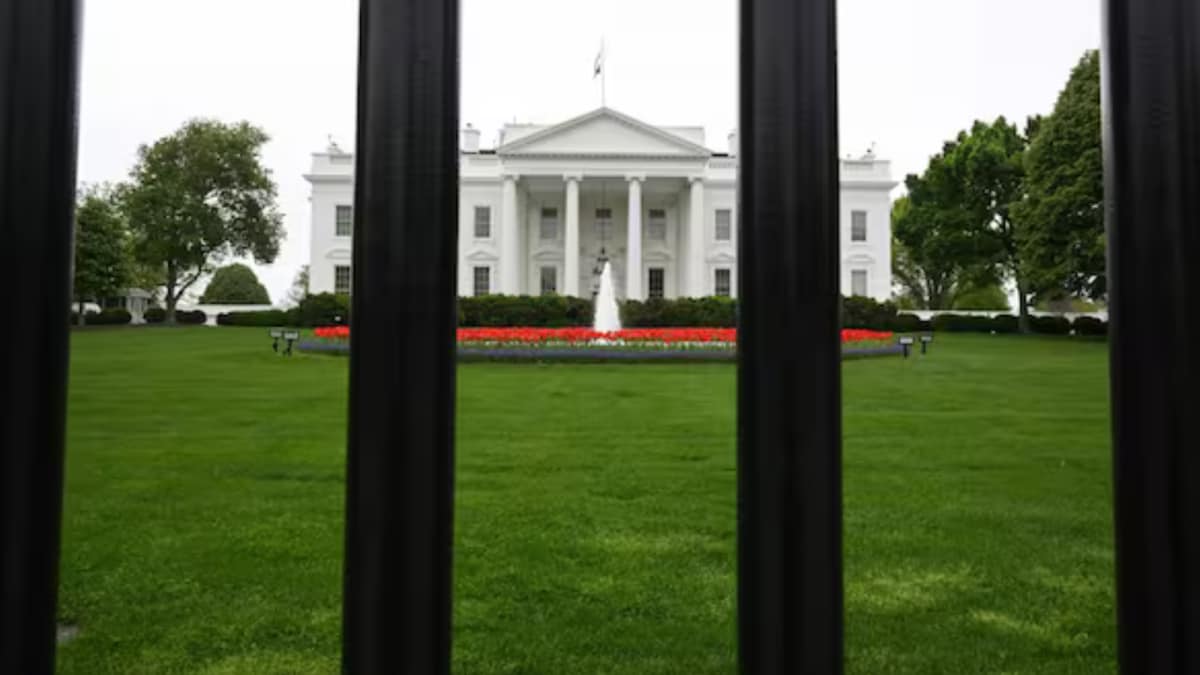
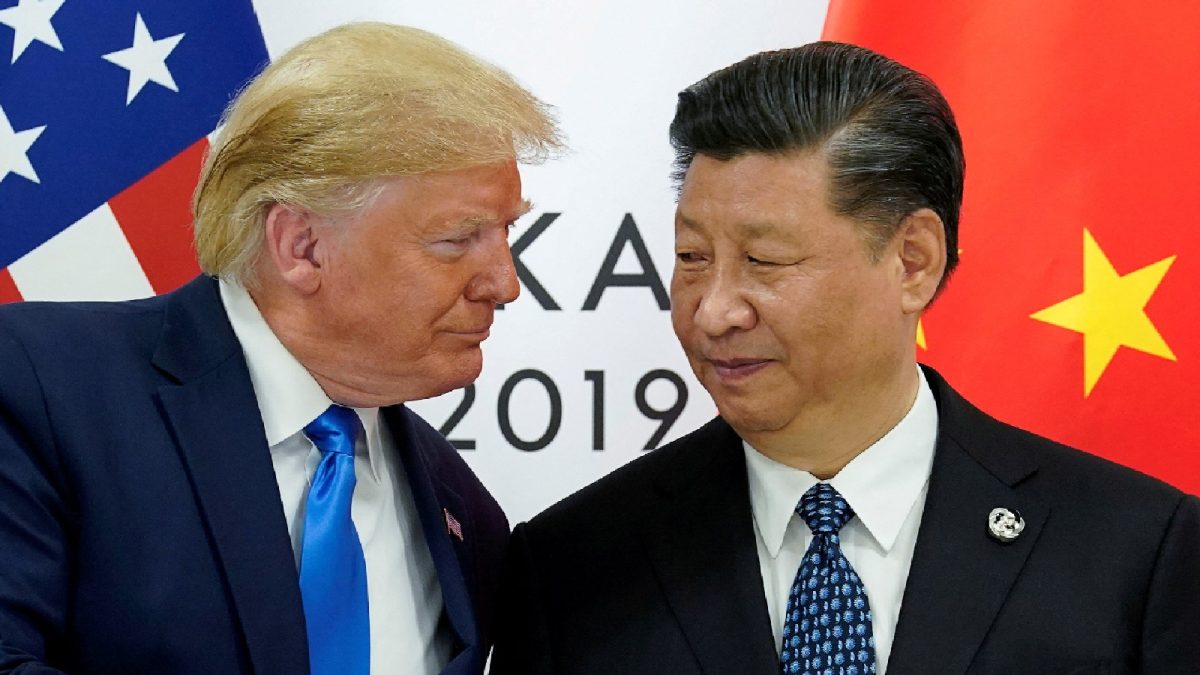
Iran‑US‑Israel War Ceasefire, Peace Talks In Islamabad Live Updates: Pakistan brokered a two‑week ceasefire earlier this week, but it is already under strain.
Honestly, when I first saw the news flash on my phone about the cease‑fire talks, I thought it was another headline that would disappear in a day. But then the live feed from Islamabad kept popping up, and I realised this was something different – a real, on‑the‑ground effort to calm a tense situation that had been brewing for months. Pakistan, of course, stepped in as the middle‑man and managed to get Iran, the United States and Israel to aGree on a two‑week cease‑fire. That, in itself, felt like a huge win, especially when you consider how each side has been throwing accusations at one another for a long time.
What struck me most was the way the Pakistani officials handled the press conference. One of them, with a calm yet firm voice, said that even if there were "minor violations" of the cease‑fire, it wouldn't stop the talks. Basically, they were sending out a signal that the negotiations are more important than a few isolated incidents. You know, in most diplomatic games, a tiny breach can become a big excuse for pulling out, but here the message was clear – we are not going to let that happen.
Why Islamabad Became the Hub of These Talks
Let me give you a short back‑story, not in a textbook way but just as I understand it from what I have seen and read. Pakistan has always tried to play a balancing act in the region. While it has close ties with the United States, it also shares a border with Iran and has a historic relationship with many Muslim‑majority nations. So, when the idea of a neutral venue came up, Islamabad seemed like a logical choice. The city’s diplomatic quarters are used to hosting high‑level meetings, and the security setup there is pretty tight – that matters when you have big powers sitting across a table.
In everyday life, you can see the vibe – people in chai shops near the diplomatic enclave were discussing the talks as if it were a cricket match, pointing out which side was doing better, who was being too aggressive, and who might be holding back. The whole city sort of paused, expecting that maybe, just maybe, this would be a chance for a little peace.
The Two‑Week Cease‑Fire AGreement: What It Means
Now, you might wonder, what does a "two‑week cease‑fire" actually entail? In simple words, both sides promised to stop all hostile actions for fourteen days. There’s no formal declaration that they will lay down all weapons forever – it's more like a temporary truce. The idea is to give everyone breathing space to negotiate the bigger issues without the immediate threat of bombings or missile strikes looming over each conversation.
From a personal perspective, imagine you’re stuck in a traffic jam on the Mumbai‑Pune Expressway, and the police suddenly tell you that for the next fifteen minutes, there will be no vehicles allowed on the road. That short window lets you think, plan your route, maybe even take a detour. The cease‑fire is similar – a short‑lived pause that could be used to cement longer‑term aGreements if both sides are willing.
Pakistan's role was to facilitate that pause. They communicated with Tehran, Washington, and Jerusalem, making sure each side understood the ground rules. The ask was simple: stop firing, stop any escalation, and keep the dialogue going. It sounds easy on paper, but in reality, it involves constant phone calls, back‑channel messages, and a lot of trust‑building – something we all know is hard to come by.
Strain Already Showing – Minor Violations Emerging
Even though the cease‑fire was just announced, reports started surfacing about small skirmishes and unintended clashes. These are what officials refer to as "minor violations." Think of it like a few people in a classroom still whispering even after the teacher asks for silence – it doesn’t break the rule, but it does test the patience of everyone.
One of the Pakistani spokespeople mentioned that these violations were not intentional and were often caused by miscommunication on the battlefield. In the context of the Iran‑US‑Israel situation, such slip‑ups could be triggered by an aircraft accidentally crossing a no‑fly zone, or a small artillery shell landing just outside the aGreed area.
Now, the real question is: do these little breaches mean the whole talk process collapses? According to the statements from Islamabad, definitely not. The officials kept stressing that the talks will go on regardless. It’s like when a friend forgets to bring the snacks to a movie night – the night still goes on, you just have to improvise.
Pakistan’s Stance on Minor Violations – A Pragmatic Approach
When the journalists asked Pakistan’s representative whether they would consider calling off the talks if the violations continued, the reply was very much “no”. The idea is to keep the momentum alive. In most cases, stopping the dialogue at the first sign of trouble would just give the aggressive side an excuse to pull out and resume hostilities.
From my own observation of diplomatic talks, especially those I’ve seen on news channels from Delhi to Karachi, a pragmatic stance is crucial. You can’t let every small slip become a deal‑breaker. Otherwise, you end up with endless meetings that never produce results. Pakistan, therefore, is trying to send a cautious yet firm message: we acknowledge the violations, we are monitoring them, but we won’t let them kill the bigger goal of peace.
At one point during the live broadcast, a Pakistani official mentioned a phrase that stuck with me – "the strength of a truce lies not in its perfection, but in its continuity". That line summed up the whole attitude: keep the conversation alive, even if it’s a bit shaky.
What the Citizens Are Saying – Street‑Level Reactions
Every big political event in the sub‑continent has its echo in street discussions. In the lanes of Old Delhi, the chaiwala near the Delhi Gate was telling his regulars that any sign of peace is a welcome change from the usual noise of conflict on the news. In Karachi, a group of college students were debating the feasibility of a two‑week stop, noting that if even a small spark can reignite the fire, the whole plan could fall apart.
What I found interesting was that many people, despite the political complexities, were more focused on the human aspect – how the cease‑fire might affect ordinary families living in the conflict zones. They talked about ration distribution, medical supplies, and whether schools could reopen for a short while. Those are the practical concerns that often get lost in official statements.
Potential Impact if the Cease‑Fire Holds
If the cease‑fire manages to stay intact for the full two weeks, it could pave the way for a longer‑term arrangement. In most diplomatic negotiations that I’ve followed, a successful short‑term truce builds trust that can be leveraged later. Think of it like a practice run before the actual exam – the more you get used to cooperating, the better your chances of achieving a final aGreement.
The possible benefits would be vast – reduction in civilian casualties, opening of humanitarian corridors, and a chance for the warring parties to discuss the core issues without the immediate pressure of ongoing attacks. Even if the final outcome is just a slightly longer pause, that still counts as a step forward – something the people on the ground can see in their daily lives.
What Could Go Wrong – The Risks Involved
On the flip side, if the minor violations keep happening, confidence will erode quickly. A single larger breach could be taken as a sign that one side is not serious about the talks. That could lead to a complete breakdown, and the region might slip back into full‑blown conflict. The Pakistani officials are obviously mindful of this risk, which is why they keep emphasizing monitoring and quick diplomatic responses to any breach.
Another risk is that external actors could interpret the talks as a sign of weakness and try to influence the negotiations for their own benefit. I’ve seen this happen in other contexts, like economic summits where one country’s hiccup is seized upon by rivals to push their agenda. So, besides the direct participants, there are always other eyes watching.
Personal Reflection – Watching History Unfold
Honestly, sitting in my living room watching the live feed was a mix of excitement and anxiety. It felt like those moments when an Indian cricket match goes down to the last over – everyone is on edge, hoping for a positive finish. You can’t help but think about the families on both sides of the conflict and wonder whether a short cease‑fire might give them a little breathing space.
And then there’s the role of Pakistan, which, in my mind, reminded me of that friend who always tries to keep the group together during a heated debate. It’s a tough job – you have to listen, mediate, and sometimes tell people to calm down, even when you’re not directly involved in the core disaGreement.
In the end, the live updates kept running, and each new piece of information felt like a small piece of a larger puzzle. The tone from Islamabad was consistently clear: "Minor violations won’t halt talks". It’s a simple yet powerful statement that tries to keep everyone’s eyes focused on the larger goal, rather than getting lost in every tiny slip.
Looking Ahead – What’s Next for the Talks?
So, what should we expect once the two‑week window closes? If the cease‑fire remains mostly intact, the logical next step would be to extend it or perhaps move to a more structured negotiation phase. That could involve setting up joint monitoring committees, perhaps even inviting neutral observers from countries like Switzerland or the United Nations. On the other hand, if violations increase, the talks could either stall or shift to a different format – maybe back‑channel talks without public fanfare.
For the average person in India watching this, the key takeaway is the importance of patience and perseverance in diplomacy. The fact that Pakistan is holding on to the talks, despite the hiccups, shows that even in a highly volatile environment, there is space for dialogue. And that, I think, is a lesson worth remembering when we face our own everyday challenges – keep talking, keep listening, and don’t let a small problem derail the larger conversation.
Conclusion – A Small Step Towards a Bigger Peace?
To wrap it up, the live cease‑fire talks in Islamabad have been a roller‑coaster of hope, tension, and practical diplomacy. Pakistan’s role as a broker of the two‑week cease‑fire and its insistence that minor violations should not stop the dialogue reflect a realistic but optimistic approach. The real test will be whether the parties can manage these minor breaches and keep the momentum alive beyond the initial fortnight.
From watching the live feed to hearing street conversations, it’s clear that there is a keen desire for peace, however tentative, across the region. Whether this particular cease‑fire becomes a stepping stone to a more lasting resolution or just a brief lull before the next surge of conflict, only time will tell. Until then, I’ll keep an eye on the updates, sip my chai, and hope that the small steps today lead to bigger strides tomorrow.