Congress leaders say BJP tried to block welfare payouts
When the Election Commission wrote to the Karnataka government asking for a breakdown of money spent on guarantee schemes, it set off a storm. Karnataka Chief Minister Siddaramaiah and Deputy Chief Minister D.K. Shivakumar both went on record, slamming the poll body and the BJP. They say the BJP has actually sent a formal letter to the Election Commission, demanding that the instalments under these welfare programmes be frozen.
According to them, this move is nothing short of a “conspiracy against the poor, women and unemployed youth.” In plain terms, the two leaders claim the BJP is trying to use the election machinery to stop cash that many families rely on for daily expenses – the same cash that would normally help a mother in Mysore buy groceries or a daily‑wage worker in Hubli pay for his school fees.
What D.K. Shivakumar told reporters in Davangere
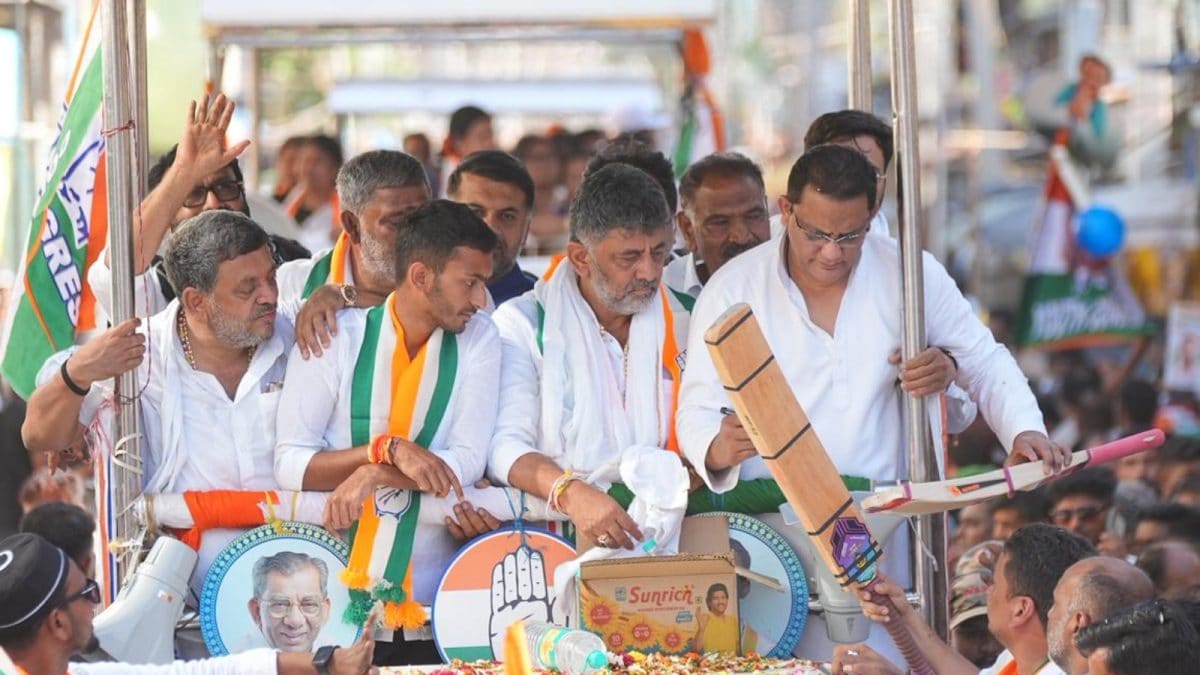
Speaking to reporters in Davangere, D.K. Shivakumar bluntly accused the BJP of trying to stall welfare programmes through the Election Commission. “BJP has written a letter to the Election Commission objecting to the release of funds for the guarantee schemes,” D.K. Shivakumar said. “This is a clear attempt to stop these programmes through the Commission. It is an attack on the poor and unemployed youth, and voters will give them a fitting reply.”
D.K. Shivakumar went on to remind everyone that the Congress government has already spent more than Rs 1.25 lakh crore on these schemes in the past two‑and‑a‑half years. “All payments have been made within legal limits,” D.K. Shivakumar added, emphasizing that the programmes are not pick‑and‑choose promises made just before elections. “Our schemes are not election‑time announcements. We have been disbursing funds within the bounds of law. BJP’s letter is proof of their conspiracy to stop programmes meant to protect the poor who are suffering from rising prices.”
He also tried to calm the nerves of beneficiaries. “Money has been released till last month, and this month’s instalment will be released after the elections. The guarantee schemes will not stop—we stand by our word,” D.K. Shivakumar assured. In his view, halting the cash flow now would be like stopping a tap in the middle of a thirsty summer – the people would feel it instantly.
Siddaramaiah’s rebuke of the Election Commission
Meanwhile, Karnataka Chief Minister Siddaramaiah released a strongly worded statement. He questioned why the Election Commission thought it necessary to ask for details about the guarantee scheme payments. “The approach is suspicious and discriminatory,” Siddaramaiah said, adding that the schemes were not launched during the by‑poll period but were part of the promises made in the 2023 Assembly elections.
Siddaramaiah pointed out that similar cash‑transfer schemes in states like Maharashtra and Bihar were announced and rolled out just before elections, yet the Election Commission said nothing. “This is not impartial conduct – it reflects bias,” Siddaramaiah argued. He described the scrutiny of Karnataka’s schemes as an indirect attack on vulnerable groups. “Targeting Karnataka’s guarantee schemes is not merely political – it is an indirect attack on the poor, women and the people of Karnataka,” he said.
In everyday terms, Siddaramaiah likened the Election Commission’s move to a neighbour peeking over the fence just because the house on the other side has a garden. He felt the poll body was singling out Karnataka while ignoring similar cases elsewhere.
How the row started – the Election Commission’s letter
To understand the controversy, we need to look at what triggered it. The Election Commission wrote to the Karnataka government asking for specifics on how much money had been released under various guarantee schemes during the by‑polls in Davangere and Bagalkot districts. The request came after a complaint from BJP leaders, who claimed the release of instalments during the election period could sway voters.
The Congress government, represented by Karnataka Chief Minister Siddaramaiah and Deputy Chief Minister D.K. Shivakumar, rejected the notion that the payments were meant to influence the election. They argued that the schemes are part of ongoing governance – a kind of safety net that has been running for years. Withdrawing the cash now, they said, would hurt lakhs of beneficiaries who rely on the money for basic needs like buying rice or paying school fees.
In a typical Indian household, a single instalment could mean the difference between sending a child to school or keeping them at home to help with work. That is why the two leaders are so adamant that the payments continue, despite the poll body’s concerns.
The political heat as by‑polls approach
The by‑poll campaign in Davangere and Bagalkot has become a battlefield for the Congress and the BJP. While the BJP questions the timing and financial sustainability of the guarantee schemes, the Congress flaunts them as a hallmark of its welfare agenda. The issue has turned into a flashpoint, with both sides using it to rally their supporters.
For a voter in a small town, the debate feels personal. Imagine a farmer in Bellary who receives a cash transfer every month to buy fertilizer – that money might be the difference between a good harvest and a failed one. If the payment is halted, it isn’t just a political issue; it’s a direct hit on his livelihood.
Both Karnataka Chief Minister Siddaramaiah and Deputy Chief Minister D.K. Shivakumar have warned that any attempt to stop the installments will be met with a strong voter backlash. They say the people will remember the hardship caused by any interruption, especially at a time when inflation is pushing up the price of everything from vegetables to petrol.
The Election Commission’s next move – whether it will accept the explanations given by Karnataka Chief Minister Siddaramaiah and Deputy Chief Minister D.K. Shivakumar, or issue a stern warning – is expected to shape the next phase of the dispute. The outcome could set a precedent for how welfare payments are treated during elections across the country.
What this means for ordinary people
At the end of the day, the controversy is about cash that reaches the hands of ordinary citizens. Whether it is a mother in Bengaluru buying groceries for her family, a daily‑wage labourer in Mangaluru paying for his children's tuition, or an elderly person in Hassan receiving a pension – the guarantee schemes are a lifeline.
If the BJP’s alleged letter to the Election Commission leads to a halt, these families could face a sudden shortfall. On the other hand, if the Election Commission decides that the payments should continue unchanged, the controversy might quiet down, at least for now.
Both Karnataka Chief Minister Siddaramaiah and Deputy Chief Minister D.K. Shivakumar have repeatedly stressed that the schemes are not election‑time freebies but part of a longer‑term promise made to the people of Karnataka. They hope that reassurance will keep the focus on development rather than political mud‑slinging.