Delhi Anti Narcotics Cell Disrupts Fraudulent ‘RD Services’ Call Centre, Twelve Individuals Detained
In a meticulously planned enforcement action, Delhi Anti Narcotics Cell of the Central District Police shut down an illegal call centre that was masquerading as a legitimate roadside assistance provider under the brand name “RD Services”. The operation resulted in the arrest of twelve individuals and the seizure of extensive evidence, including counterfeit policy cards, electronic devices and a detailed register of affected customers.
Background of the Investigation
Delhi Anti Narcotics Cell received credible intelligence indicating the presence of an organised operation that was exploiting vehicle owners by offering non‑existent roadside assistance services. The intelligence highlighted that the operation was set up in the Guru Arjun Nagar neighbourhood and was using the name “RD Services” to lure victims. Acting on the information, Delhi Anti Narcotics Cell mobilised a specialised team to verify the claims and to plan a containment strategy.
Inspector Rohit Kumar, who headed the investigative squad, oversaw the preparation of a raid plan that focused on the Ratan Lal Complex, the location identified as the hub of the illicit activity. The preparation involved mapping the premises, coordinating with forensic experts and arranging for the safe collection of digital and physical evidence.
Execution of the Raid
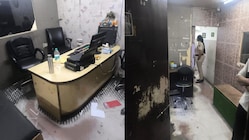
On the day of the operation, the team led by Inspector Rohit Kumar entered the Ratan Lal Complex in Guru Arjun Nagar and executed a swift, door‑to‑door search. The raid resulted in the immediate detention of twelve individuals who were identified as the operational core of the fraudulent call centre. The detainees comprised two individuals identified as owners of the venture and ten tele‑callers who handled incoming customer enquiries.
Throughout the raid, Delhi Anti Narcotics Cell adhered to strict procedural guidelines to ensure the preservation of evidence. The team systematically collected computers, mobile phones, attendance registers, plastic policy cards and a database containing personal details of customers who had been contacted by the operation.
The seized equipment was catalogued on site, with each item logged for subsequent forensic analysis. The collection of digital devices provided Delhi Anti Narcotics Cell with a valuable trail of communication logs, transaction records and the methodology used by the perpetrators to fabricate legitimacy.
Modus Operandi of the Fraudulent Scheme
The core of the scam revolved around the use of the brand name “RD Services”. According to the findings of Delhi Anti Narcotics Cell, the accused reached out to vehicle owners through unsolicited phone calls, presenting themselves as representatives of a genuine roadside assistance provider. The pitch emphasised immediate help in the event of a vehicle breakdown, a service that is particularly appealing to commuters who depend on reliable transportation.
To reinforce the illusion of authenticity, the accused offered a “Cash on Delivery” payment model. Customers were instructed to pay a sum ranging from Rs 3,000 to Rs 4,000 at the time of policy issuance. Upon receipt of the payment, the accused dispatched plastic policy cards that were designed to resemble official documents issued by recognized roadside assistance agencies.
However, once the payment was secured, the accused deliberately ceased any further interaction. Incoming calls from customers were ignored, and no assistance was dispatched, leaving victims without the promised support. The deliberate non‑response was a key indicator for Delhi Anti Narcotics Cell that the operation was purely fraudulent.
The investigation uncovered that the accused utilised a simple keypad phone as the public helpline number. This device allowed the operation to receive calls without revealing the true identity of the individuals behind the scheme. The recorded call logs showed that the accused intentionally ignored inbound calls after the financial transaction was completed.
Evidence Collected and Its Significance
The seizure of computers and mobile devices by Delhi Anti Narcotics Cell provided a digital footprint that linked each of the twelve detainees to the fraudulent activities. Forensic analysis of the devices revealed draft scripts used by tele‑callers, templates for the counterfeit policy cards, and a spreadsheet tracking payments received from customers.
The attendance registers recovered from the premises displayed the daily operational schedule of the tele‑callers, further corroborating the systematic nature of the scam. Customer data, including names, contact numbers and vehicle details, was also retrieved, offering a clear picture of the scope of the victim pool.
The physical counterfeit policy cards, crafted from plastic, were identical in size and design to legitimate assistance documents. Their presence highlighted the extent to which the accused went to create a convincing façade, a factor that Delhi Anti Narcotics Cell considered when assessing the severity of the offense.
Legal Proceedings and Ongoing Investigation
All twelve detainees were transferred to the custody of Ranjit Nagar Police Station, where formal charges were filed. An FIR (First Information Report) has been lodged against each individual, detailing the allegations of fraud, misrepresentation, and violation of consumer protection statutes.
Delhi Anti Narcotics Cell has indicated that the investigation remains active, with forensic experts continuing to examine the seized digital media for any additional leads. The ongoing analysis aims to identify any further accomplices, trace the flow of the illicit funds and determine whether additional victims can be located for restitution.
Inspector Rohit Kumar emphasized that the coordinated effort underscores the commitment of Delhi Anti Narcotics Cell to dismantle organised fraud networks that prey on unsuspecting citizens. The operation also serves as a deterrent to similar illicit ventures that seek to exploit public trust in essential services.
Impact on the Public and Consumer Awareness
The revelation of the fake “RD Services” operation has prompted widespread discussions about the vulnerability of vehicle owners to deceptive schemes. Consumers are being reminded to verify the authenticity of service providers before making any payments, especially when the offers appear too advantageous.
Delhi Anti Narcotics Cell has urged the public to report any suspicious calls that promise immediate roadside assistance in exchange for upfront fees. By fostering a culture of vigilance, authorities aim to reduce the success rate of similar scams that rely on the element of surprise and trust.
Community outreach initiatives are planned to educate motorists about legitimate channels for roadside assistance, including official government portals, registered insurance providers and verified third‑party services. These measures are intended to empower consumers to distinguish between credible assistance and counterfeit offerings.