Why I started worrying about my next flight
So, the other day I was scrolling through the latest news India on my phone, trying to catch up on what’s happening abroad, when a headline caught my eye "Europe may have only six weeks of jet fuel left". It felt like that kind of breaking news you read and instantly think, "What does this mean for my travel plans?" I mean, we all love a cheap flight to Delhi or a quick hop to Mumbai, right? But the idea that Europe could be running low on the fuel that keeps planes in the sky made me pause.
What makes this even more interesting is that it’s not just a far‑away problem. The International Energy Agency IEA has been waving a red flag for a while now, saying the global energy crunch triggered by the Iran conflict is tightening refined‑fuel supplies. Fatih Birol, the chief of IEA, has been quite vocal about it. He basically said Europe’s jet‑fuel reserves could vanish in “six weeks or so”. That’s a pretty specific timeline, and it got my mind racing about potential flight cancellations, sky‑high ticket prices, and even the domino effect on freight operations.
Jet fuel shortage emerges as the pressing issue
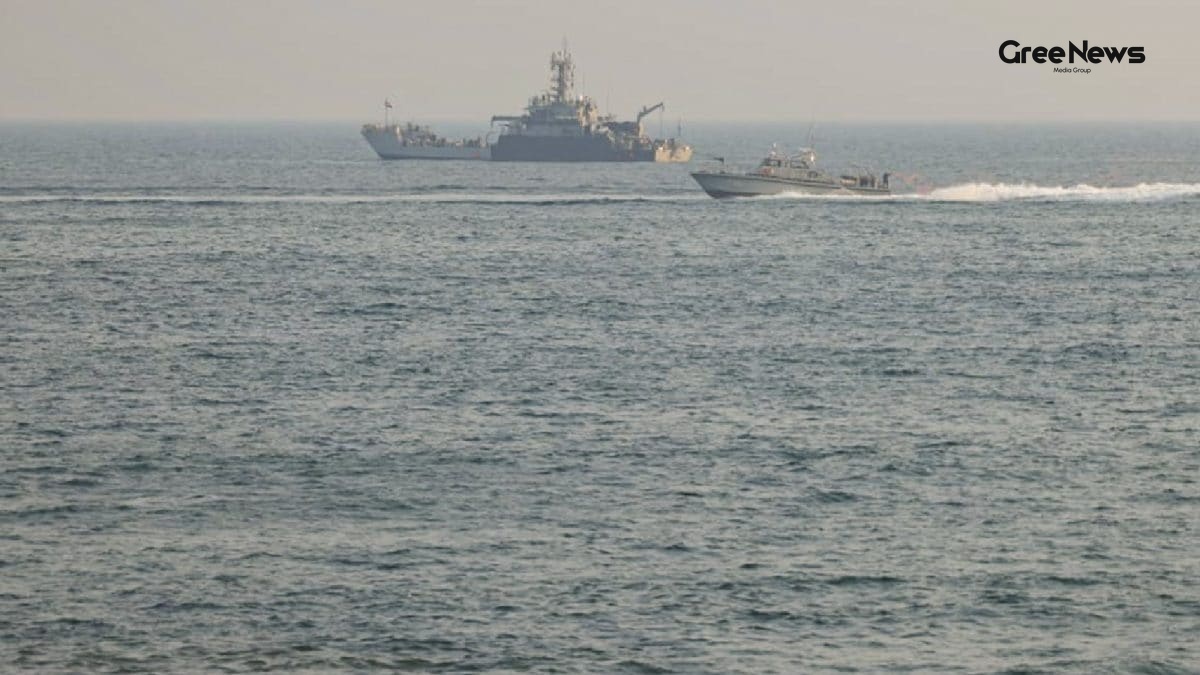
Most of us hear about crude‑oil price spikes, but the real story, as Fatih Birol highlighted, is the shortage of refined fuels like jet fuel and diesel. He mentioned, “The biggest problem today is the lack of jet fuel and diesel.” I realised that while oil barrels are still moving, the actual product that powers our airplanes is getting squeezed. In most cases, refinery capacity is under strain because the war in the Middle East keeps messing with the flow of crude through the Strait of Hormuz.
Now, think about it: the Strait of Hormuz is one of the world's busiest oil passages. When it’s effectively shut, the whole supply chain feels the pinch. This isn’t just a hype story it’s viral news that’s already affecting Asian markets, and analysts are saying Europe is next. I could feel that knot in my stomach growing as I imagined the boarding gates at Delhi or Bengaluru suddenly empty because a European airline had to pull a flight.
From Asia’s worries to Europe’s looming crisis
Asia has already been feeling the heat. I remember a friend in Kolkata telling me that his airline had to trim down a few regional routes because of fuel constraints. The same logic applies to Europe now. The IEA warned that the jet‑fuel crunch will first hit the aviation and transport sectors. When I think about the massive number of flights that connect European hubs like London, Frankfurt and Paris to Indian metros, a spill‑over feels inevitable.
What happened next is interesting airlines may have to cut flights, raise fares, or even reroute planes through longer, fuel‑heavy paths. Imagine a flight from Delhi to London having to take a detour via the Middle East, burning more diesel and jet fuel. That would drive ticket prices up sharply, something that’s already a hot topic among frequent flyers on travel forums a perfect example of trending news India that we all discuss over chai.
Wider economic ripples you might not see on the surface
Beyond the obvious flight cancellations, the shortage of diesel could hurt freight and logistics. I work with a small import‑export business, and we rely heavily on timely shipments. If diesel becomes scarce, trucks on the highways could face restrictions, freight costs might skyrocket, and that would reflect in the prices of goods we all buy from electronics to everyday groceries.
Fatih Birol also warned that no country will be immune if this crisis drags on. Poorer nations could get priced out of energy markets, which would mean less capacity to import fuels. The IEA has already tapped strategic reserves, but the scale of the problem might outpace those emergency measures. It’s a scenario that keeps popping up in my mind whenever I glance at the news feeds for breaking news about energy.
What can travelers and businesses do now?
For the everyday traveller, the best advice I can give is to stay alert. Keep an eye on airline announcements, especially if you have a flight booked with a European carrier. You might want to consider flexible tickets or travel insurance that covers cancellations due to fuel shortages a tip I’ve heard circulate a lot in travel groups on WhatsApp.
If you’re a business owner dealing with supply chains, start looking at alternative routes or consider stocking a little extra inventory if you can. Many logistics companies are already revisiting their contracts and looking for backup fuel sources. It might sound a bit dramatic, but when you hear something that could affect the entire aviation sector, a little extra caution never hurts.
Why this story matters for India
Even though the crisis is centered on Europe, the impact will ripple all the way to India. Many of our airlines have code‑share aGreements with European carriers, and a shortage in Europe can affect flight frequencies and pricing on Indian soil too. Moreover, the diesel shortage could affect the cost of goods imported from Europe, which means the average consumer might feel the pinch in the price of a laptop or a piece of apparel.
That’s why this breaking news is also trending news India because it touches our travel plans, our shopping habits, and even our businesses. I keep checking the latest updates, and every new piece of information feels like a puzzle piece. The more we know, the better we can prepare.
Final thoughts staying ahead of the curve
In most cases, the jet‑fuel shortage is a reminder of how interconnected our world truly is. A conflict in the Middle East can cause a jet‑fuel crunch in Europe, which then spills over to affect Indian travellers and businesses. The IEA’s warning gives us a clear timeline about six weeks which isn’t a lot when you think about the complexities of the supply chain.
My takeaway? Keep an eye on the news, stay flexible with travel plans, and maybe start checking alternative airlines sooner rather than later. It’s a bit of a hassle, but better than being caught off‑guard when your flight gets canceled at the last minute. And who knows, this whole episode might push policymakers to think about diversifying fuel sources or building more strategic reserves, something that could benefit us all in the long run.