So, the other day I was having chai with a few friends in our local park, and the conversation somehow drifted to the latest news India is buzzing about the government’s fresh attempt to revamp our democratic set‑up. You know how it goes someone mentions a headline, and before you know it, the whole gang is throwing in opinions, jokes, and that one uncle who always says, "In my days things were simpler". That’s exactly how I first heard about the bills that propose a bigger Parliament and a dedicated quota for women.
To give you a quick snapshot, the government has tabled legislation that would increase the number of seats in both houses of Parliament. Alongside that, there’s a plan to reserve roughly one‑third of those seats exclusively for women. Prime Minister Narendra Modi has been vocal, saying these steps will push India in a "new direction" and reflect demographic shifts that have been building since the 1971 census. In most cases, the narrative is that our population has exploded and the current representation no longer mirrors the ground reality.
What the Bills Actually Propose
Now, I’m not a constitutional lawyer, but from what the reports and the breaking news outlets are saying, the core idea is fairly straightforward. The size of our Lok Sabha the lower house would be expanded to accommodate more representatives, and the same logic would apply to the Rajya Sabha. The intention, as explained by the government, is to bring the parliamentary map in line with the massive population changes that have taken place over the last five decades.
On top of that, the legislation would earmark a third of the seats for women. Think about it if we have 545 seats after expansion, about 181 of them would have to be occupied by women candidates. It’s a move that, on paper, aims to boost gender parity in the legislative process, which many activists have argued has been lagging behind for years.
One detail that keeps popping up in the trending news India feeds is that these changes are also linked to the idea of redrawing constituency boundaries. The government says the new boundaries will reflect the population shift since 1971, ensuring each MP represents a roughly equal number of citizens. In most cases, this is a sensible approach after all, if one district has double the voters of another, the voice of the smaller district gets amplified unfairly.
Modi’s Vision: A ‘New Direction’ for the Nation
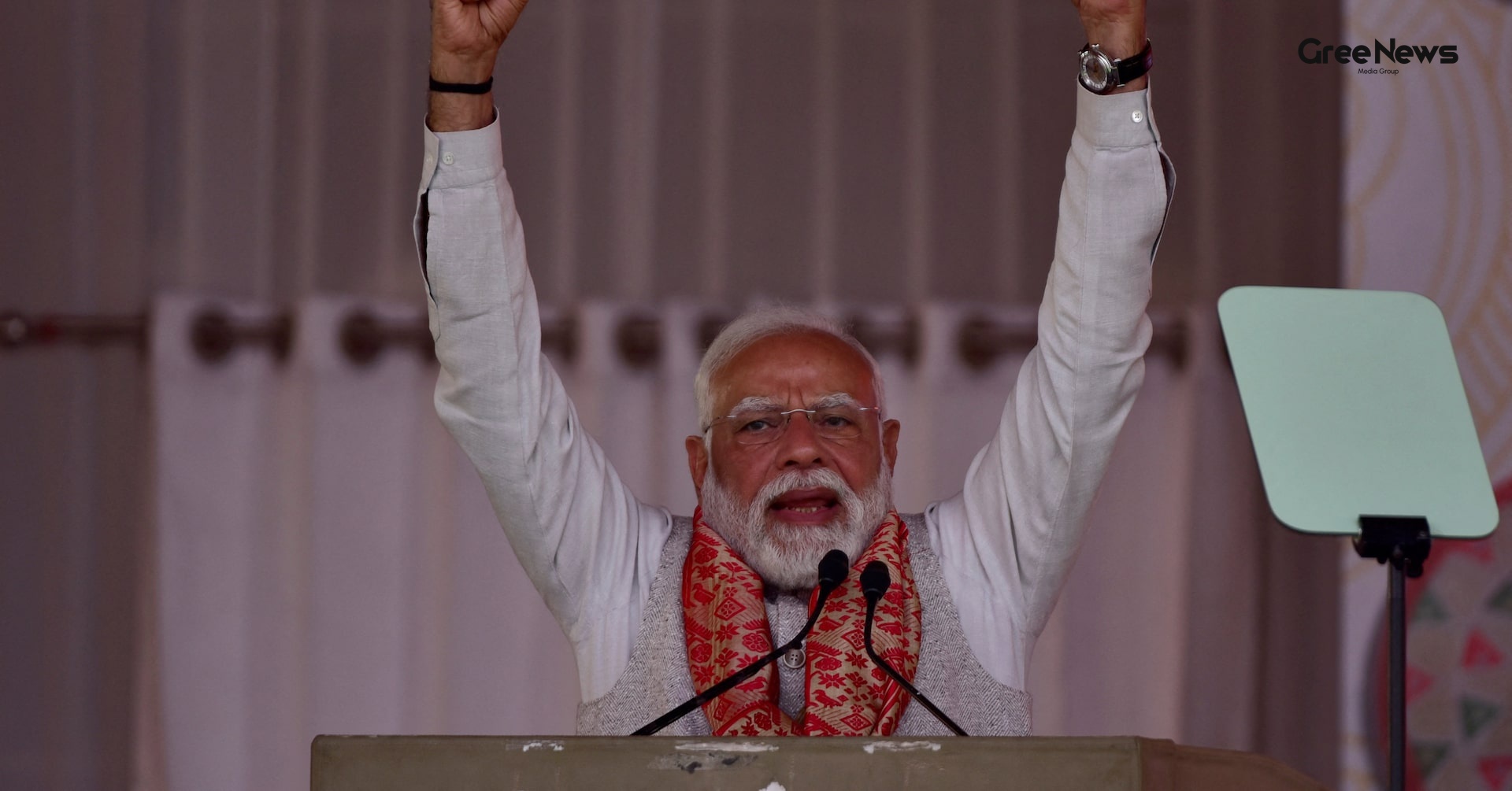
During a televised address that went viral within minutes, Prime Minister Narendra Modi framed the reforms as a necessary leap forward. He said, "These changes will move India in a new direction," and the phrase quickly turned into a hashtag on social media. From my own feeds I saw countless memes, some serious, some just poking fun, but they all highlighted that the Prime Minister sees this as a watershed moment.
He also reminded everyone that the last major update to the parliamentary boundaries happened a long time ago after the 1971 census and the country’s demographics have transformed dramatically since then. In many of the stories I read on viral news platforms, the emphasis is on making the legislature more representative of today’s India, which is a point that resonates with many young voters I know, especially those who feel under‑represented in the current system.
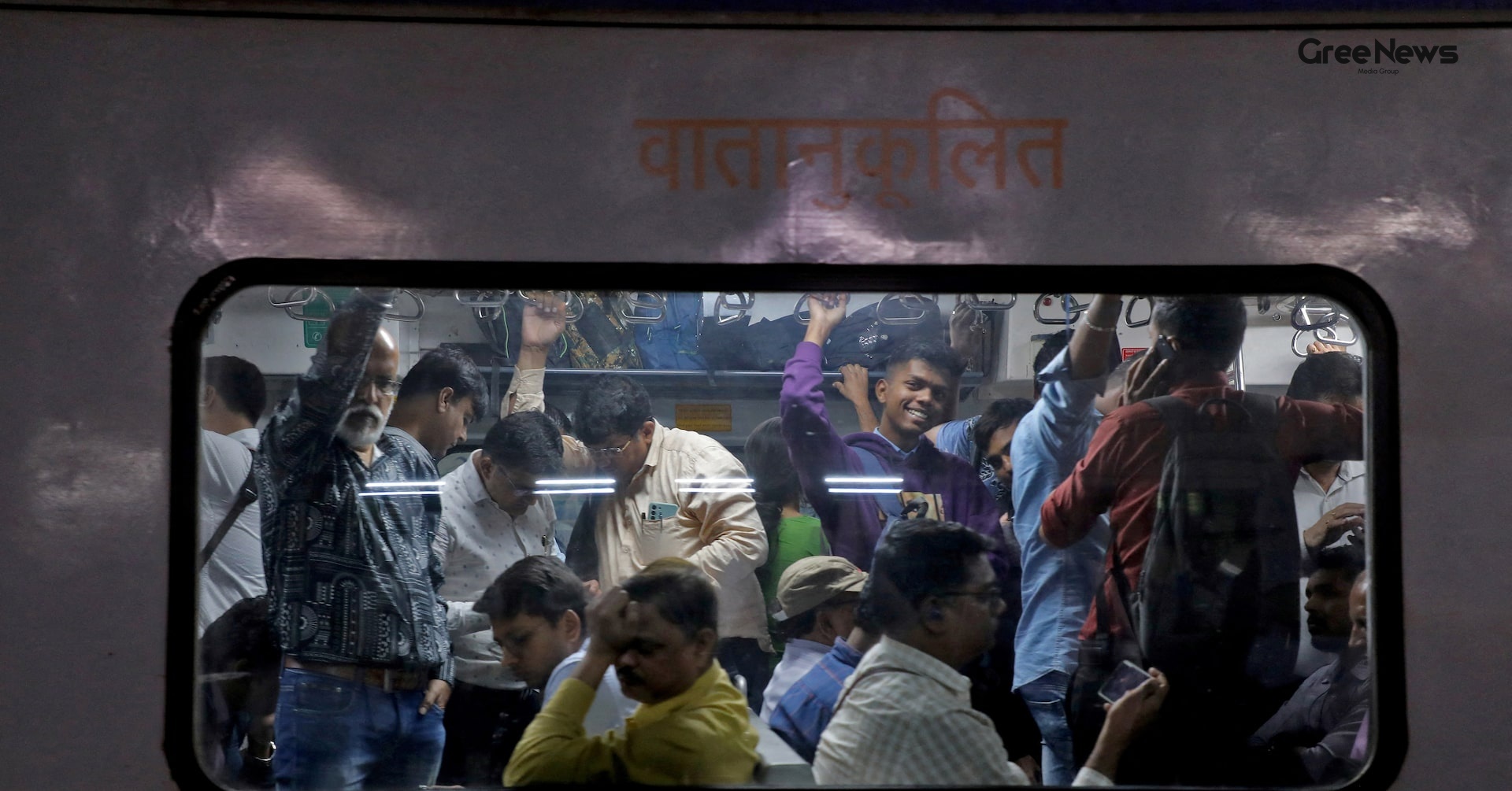
Personally, I can see the appeal. You know how crowded city trains get, and it’s always surprising to hear that some rural constituencies still have a tiny voter base while a megacity like Mumbai is split among many seats. Aligning representation with actual population figures could, in theory, give a fairer voice to the masses.
Opposition’s Take: Unconstitutional and Politically Motivated?
But, as you might expect, not everyone is cheering. The opposition parties have been quick to label the boundary changes as unconstitutional. Their argument which has been looping across breaking news sites is that the proposed redrawing of constituencies might violate the spirit of the Constitution, especially when the changes appear to be timed close to upcoming elections.
One of the senior leaders from the opposition was quoted saying, "These boundary changes are an attempt to manipulate the electoral outcome," a claim that has sparked heated debates in coffee houses and on WhatsApp groups alike. The criticism isn’t just about timing; it also touches on the reservation of seats for women. While many aGree on the need for greater gender representation, some opponents argue that imposing a fixed quota could sideline merit or be used as a political tool.
In most cases, the opposition’s narrative has turned the whole episode into a bit of a political drama, and you can see why it’s a classic case of the ruling party pushing a major reform and the opposition questioning the motives. The story has become one of those trending news India pieces that people can’t stop sharing, partly because it touches on the core of our democracy.
What People on the Ground Are Saying
Beyond the official statements, the street chatter is something else entirely. I remember waiting for a bus in Delhi and overhearing a group of students debating the bill. One of them said, "If women get more seats, maybe we’ll see more issues like safety and education taken seriously in Parliament." Another replied, "But what if the boundaries are drawn to favour one party? Then it’s just political circus, not progress." The diversity of opinions makes it clear that this is not just a political issue; it’s a social one too.
On social media, the hashtags #WomenInParliament and #NewParliamentMap have been gaining traction. A lot of the posts are from everyday Indians sharing their hopes like a mother from a small town wishing for more women role models in power, or a businessman worrying about the potential for gerrymandering. The conversation is alive, and that’s exactly why it’s turned into viral news across the country.
Even my aunt, who runs a small tea stall, weighed in. She told me, "If the seats are increased, maybe the MP will actually visit our area more often. They always say they represent us, but we hardly see them." It’s those little personal hopes that make the whole debate feel close to home.
Potential Impact on Indian Democracy
Looking at the bigger picture, the proposed changes could reshape how our democracy functions. A larger Parliament might mean more diverse viewpoints, which could be a good thing for policy deliberation. At the same time, there’s a risk that a bigger house becomes more unwieldy, and decision‑making could slow down.
Regarding the women’s reservation, it’s a bold step toward gender parity. In most cases, studies have shown that higher female representation leads to more attention on social issues like health, education, and child welfare. If the quota works as intended, we might see a shift in legislative priorities that aligns with the everyday concerns of millions of Indian families.
Yet, the opposition’s worries about constitutionality can’t be ignored. If the courts eventually intervene, that could set an important precedent for future reforms. The whole saga is turning into a real-life case study of how democratic institutions evolve something that keeps the latest news India cycles buzzing.
What Might Happen Next?
So, where do we go from here? The bills are set to be discussed in Parliament, and we can expect a series of debates that will likely dominate the news cycle for weeks. Given the mixed reactions, I anticipate that both sides will bring in experts, statisticians, and even activists to argue their case.
If the legislation passes, we could see the first election under the new map and reservation system within a couple of years. That would turn the theoretical discussions into real‑world outcomes, and it would be fascinating to watch how the electorate responds especially in regions where women candidates are contesting for the first time.
On the other hand, if the opposition manages to stall or overturn the bills, it could lead to a political stalemate, and the entire process might become a talking point in the next election cycle. Either way, the story is far from over, and it will continue to be part of the breaking news that keeps us all scrolling.
Final Thoughts
Wrapping it up, the push for a bigger Parliament and more women seats is more than just a legislative tweak it’s a reflection of India’s evolving society and the tensions that come with change. From my own experience of hearing the debate at the tea stall, in the office, and across social media feeds, it’s clear that people are watching closely, hoping for progress but wary of political maneuvering.
Whether you see it as a leap toward gender equality and fair representation, or as an attempt to reshape the electoral map for political gain, the conversation is alive, and it’s shaping India’s democratic narrative. Keep an eye on the upcoming parliamentary sessions they might just become the next big piece of trending news India stories.