Why Ram Gopal Varma’s Praise Turned Into a Small DisaGreement
When I first heard the breaking news about Dhurandhar 2 smashing box‑office records, I thought it would be just another case of a film riding on star power. Then I saw Ram Gopal Varma’s social‑media posts flooding my feed with words like “quantum leap” and “next best after Sholay”. It felt like the kind of hype you only see in trending news India when a blockbuster claims to rewrite cinema history.
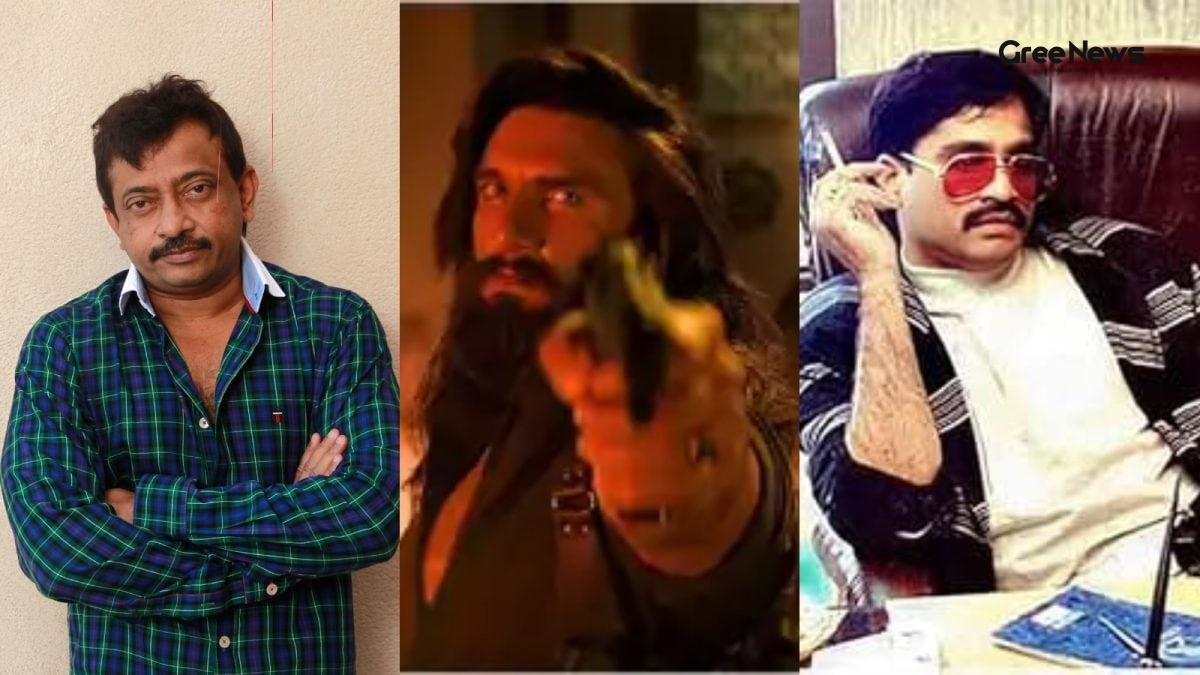
What made it even more interesting was that Ram Gopal Varma didn’t just give a quick thumbs‑up. The director‑turned‑producer went on a mini‑rampage of compliments, calling Aditya Dhar his “new guru” and saying the movie reminded him of his own cult classic, Satya. As a fan of both Ram Gopal Varma’s gritty style and Aditya Dhar’s daring narrative, I could almost hear the excitement in his voice, as if he were talking to a close friend about a must‑watch Marathi movie that just released in the neighbourhood.
But then, in a seemingly casual chat with writer Hussain Zaidi on YouTube, Ram Gopal Varma dropped a subtle yet significant note of disaGreement. He said there was one thing that didn’t sit right with him the way the film showed Dawood Ibrahim.
Now, that caught my attention because Dawood Ibrahim’s name often pops up in viral news stories and India updates. He’s a figure shrouded in mystery, and any portrayal of him instantly becomes a hot topic among audiences. So I decided to dig a little deeper.
Ram Gopal Varma’s Initial Love Letter to Dhurandhar 2
Right after Dhurandhar 2 hit the theatres, Ram Gopal Varma’s reaction was something you would expect from a true cine‑phile. He wrote, “Dhurandhar 2 is the next best film after Sholay, a quantum leap in Indian filmmaking.” He went on to compare the impact of the movie on his own creative journey to the way Satya changed his perspective on storytelling. It wasn’t just a casual endorsement; it felt like a full‑blown love letter.
What made it even more vivid was the way Ram Gopal Varma described the experience. He said the film felt like a roller‑coaster that took you through “dark alleys, high‑octane chase scenes, and mind‑bending twists”. That description reminded me of those late‑night bus rides in Delhi where the streets become a blur of neon signs and the air smells of chai and exhaust. If you’ve ever been on such a ride, you know exactly the vibe Ram Gopal Varma was trying to capture an adrenaline‑filled journey that you can’t help but talk about the next day.
All this praise placed Dhurandhar 2 squarely in the centre of the latest news India, and the film’s momentum seemed unstoppable. The social‑media chatter was full of memes, fan videos, and endless retweets of Ram Gopal Varma’s enthusiastic statements. It truly felt like a nationwide celebration.
The Conversation That Turned the Spotlight on Dawood Ibrahim
Fast forward a few weeks, and Ram Gopal Varma joined Hussain Zaidi for a relaxed talk on YouTube. The conversation started with typical banter about the film’s action sequences, but the tone shifted when the hosts began discussing the character known in the film as “Bade Sahab”. This character is a thinly veiled reference to Dawood Ibrahim.
Ram Gopal Varma said, “The only element I disaGree with is that… I feel that the portrayal of Dawood Ibrahim… They might have their own sources (but) I think it is being shown incorrectly.” It was a very clear statement, almost like a whistle‑blow about a piece of the puzzle that didn’t fit the picture he knew.
He added that while he doesn’t claim to be an absolute authority on the matter, the film’s version of Dawood Ibrahim did not line up with what Ram Gopal Varma believes is true. “It’s not like I can say that with authority. But it is not falling in line with what I know,” Ram Gopal Varma told Hussain Zaidi.
That moment felt like a plot twist in a thriller you’re watching with friends you think you know the story, then suddenly a new angle appears and makes you question everything you’ve just seen. It was a perfect example of how a single line of dialogue can turn a regular interview into something that spreads like wildfire across trending news India.
Ram Gopal Varma’s Take on Dawood Ibrahim’s Current Status
During the same conversation, Ram Gopal Varma went on to share what he has heard from various sources over the years about Dawood Ibrahim’s present‑day activities. He said, “He is inactive by choice, because he stopped doing anything. I believe he retired from criminal activities 20 years ago.”
This statement, in my view, creates a fascinating contrast with the image the film paints a very active, mastermind‑type figure pulling strings from the shadows. Ram Gopal Varma’s comment suggests that the real Dawood Ibrahim might have stepped away from the game like an old cricket player who hangs up his boots after a long career.
Imagine you’re watching a cricket match in a crowded ground; you know the veteran bowler has retired years ago, yet someone on a TV screen shows him delivering a fiery over today. That would feel odd, right? That’s essentially the mismatch Ram Gopal Varma is pointing out the film shows a very active figure while the reality, according to Ram Gopal Varma, looks more like a retired legend who is no longer involved in the underworld’s daily hustle.
Importantly, Ram Gopal Varma clarified that his knowledge comes from “what I have heard over the years”. He didn’t claim to have any special dossier, just a collection of observations and hearsay that shape his understanding.
The Grey Area of Underworld Portrayals
What makes this whole debate even more interesting is the admission from Ram Gopal Varma that “nobody can be an expert, nobody can know this is the truth”. He pointed out that both he and the filmmakers are working with limited information, and that the truth about someone as elusive as Dawood Ibrahim may never be fully verified on screen.
This candidness is rare in the film‑industry world where directors often claim absolute authority over their visions. Here, Ram Gopal Varma embraced the uncertainty, saying, “We all think Dhurandhar has shown something… I can’t disprove it, and the director can’t prove it as well.” It’s like someone on a Mumbai local train saying, “I think the next station is Andheri, but I could be wrong.” The humility adds a layer of realism that viewers might appreciate, especially when the story deals with real‑life criminals.
From a larger perspective, this discussion feeds into the ongoing conversation about how Indian cinema handles the delicate task of representing real‑world underworld figures. Over the years, Ram Gopal Varma himself has made several movies that touch upon organised crime films like Satya, Company, and others. Each time, there’s a fine line between dramatisation and factual accuracy, and the audience’s reaction can swing wildly depending on how they perceive the portrayal.
This is precisely why the current debate has become part of the latest news India narrative, igniting social‑media threads where fans argue about whether artistic liberty should override factual representation. The moment Ram Gopal Varma raised his concern, the comment sections of various news portals lit up like Diwali fireworks, with people posting their own theories, sharing articles, and linking to old interviews of Dawood Ibrahim.
Box‑Office Storm: Numbers That Speak Louder Than Words
While the conversation about Dawood Ibrahim’s portrayal is still buzzing, the box‑office numbers for Dhurandhar 2 keep climbing. The film has reportedly amassed ₹1733.2 crore globally, a figure that places it among the highest‑grossing Indian movies of all time. With Ranveer Singh leading the charge and a supporting cast that includes R Madhavan, Arjun Rampal, Sara Arjun, and Gaurav Gera, the movie has managed to strike a chord with audiences across the country.
The success of Dhurandhar 2 also means the combined total of the two Dhurandhar films has crossed the massive ₹3,000 crore mark worldwide. That milestone has been highlighted in several breaking news pieces and continues to dominate trending news India today.
What’s fascinating is that even with the controversy, viewers keep flocking to theatres. It reminds me of those street food stalls in Kolkata where a line forms despite rumours that the food might be too spicy. People go because the overall experience, the thrill, the anticipation, is just too good to pass up.
In the background, India updates from various entertainment portals keep reporting the film’s performance, and the trend shows no signs of slowing down. It’s a classic case where the story behind the story becomes a part of the story itself, feeding the audience’s curiosity and ensuring that the film stays in the conversation for weeks to come.
Dawood Ibrahim in Indian Cinema: A Long‑Standing Shadow
Dawood Ibrahim has been a recurring character in the Indian underworld narrative for decades. From the 1993 Mumbai blasts to countless fictionalised versions in movies, his name carries weight in any discussion about organised crime. Over the years, various filmmakers, including Ram Gopal Varma, have tried to capture his persona, often mixing fact with fiction to create drama that resonates with the masses.
The fact that Dhurandhar 2 chose to depict him as the mastermind behind Pakistan‑based terror networks shows how entrenched his image has become in popular imagination. Yet, as Ram Gopal Varma points out, there might be a gap between the on‑screen dramatization and the reality known to insiders. This gap feeds the ever‑growing pool of viral news and fuels debates on social media platforms, where every statement is dissected, shared, and turned into memes.
For many of us who have grown up watching movies that touch upon the underworld, the question isn’t just about whether the portrayal is accurate, but also about the impact such portrayals have on public perception. Does it perpetuate a myth? Does it help us understand the complexities of crime and politics? These are the kinds of discussions that keep resurfacing whenever a big film like Dhurandhar 2 hits the screens, adding layers to the ongoing India updates and keeping the conversation alive for long after the final credits roll.
Final Thoughts: When Praise Meets Criticism
To sum it up, Ram Gopal Varma’s journey with Dhurandhar 2 is a perfect illustration of how a filmmaker can be both a staunch supporter and a thoughtful critic at the same time. He applauded the film’s cinematic brilliance, its daring storytelling, and its massive commercial triumph. At the same time, he didn’t shy away from pointing out a single element the depiction of Dawood Ibrahim that he believes doesn’t align with the facts as he understands them.
This balanced perspective adds depth to the overall narrative and gives fans something more substantial to chew on than just the usual hype. It also reinforces the idea that even celebrated creators have room for doubt, especially when dealing with complex personalities like Dawood Ibrahim.
For anyone following the latest news India, this episode serves as a reminder that behind every blockbuster, there are multiple layers of storytelling, interpretation, and, sometimes, disaGreement. And that, my friend, is what keeps the conversation alive, turning a simple film review into a piece of trending news India that anyone can discuss over a cup of chai.