The court raised serious concerns over the timing of the complaint, noting it was the first such allegation in a marriage spanning over two decades.
When I first caught wind of this case, I was scrolling through my phone, looking at the latest news India feeds, and the headline jumped out: "Supreme Court ends 23‑year marriage after wife backs out of divorce deal". Honestly, I thought it sounded like something from a TV drama, but the more I read, the clearer it became that this was real, and it was turning into viral news.
What happened was that a woman, after aGreeing to a full and final settlement with her husband, decided to pull the plug on the divorce. She claimed the husband had promised to hand over jewellery worth Rs 120 crore and gold biscuits worth Rs 50 crore assets that were not mentioned in the written settlement because, apparently, the couple wanted to keep the tax department out of the picture.
Now, I'm not a lawyer, but I do know that even in most Indian families, when you sign a settlement, you expect it to be final. So you can imagine the surprise when the Supreme Court stepped in, calling out the wife's move as an attempt to stretch the dispute rather than seek genuine relief.
How the Supreme Court Viewed the Withdrawal
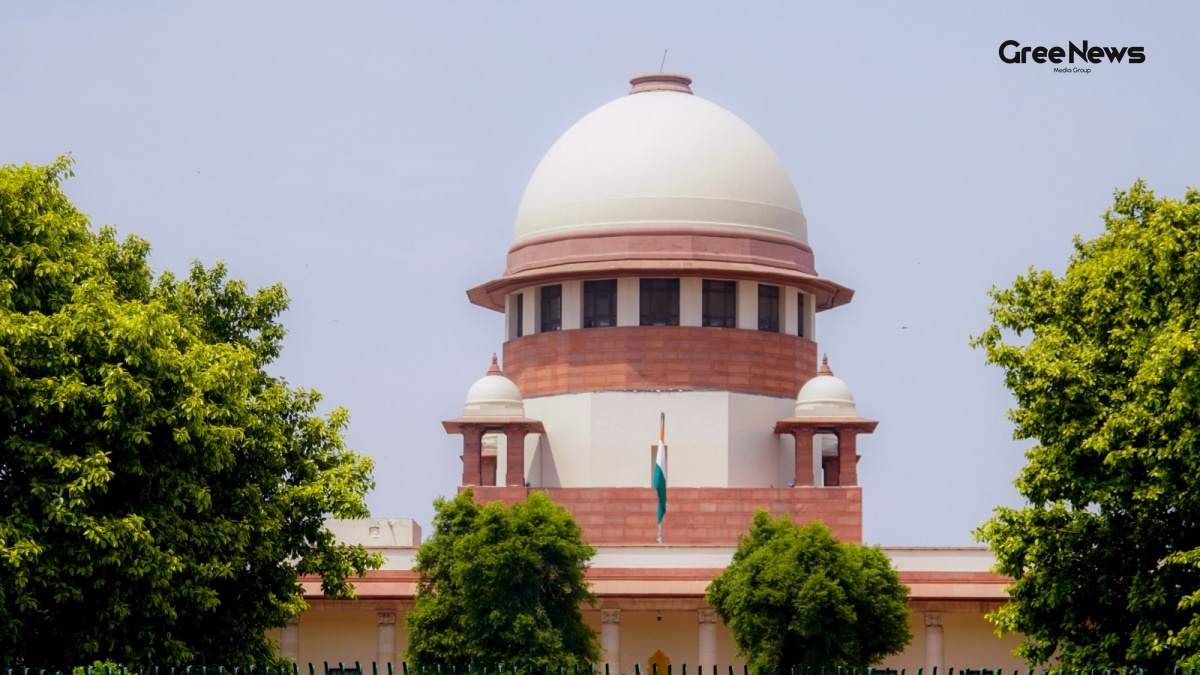
Justices Rajesh Bindal and Vijay Vishnoi, sitting as a bench, said that while parties in a mutual divorce have the right to withdraw consent before the final order, that right is not absolute. They made it clear that once the court accepts a full and final settlement, backing out without a solid reasonlike fraud, coercion, undue influence, or a failure to comply with the termssimply isn’t permissible.
In most cases, people think "consent can be taken back any time". But the judges reminded everyone that the legal system can’t be treated like a casual chat. They said the woman's conduct should attract heavy costs because it disrupts the process, wastes time, and creates unnecessary stress for everyone involved.
Reading that part of the judgment felt like watching a courtroom drama where the protagonist finally gets a reality check. The bench even quoted the wife’s own words, pointing out that she had allegedly asked to keep the settlement vague to avoid alerting the Income Tax Departmenta move the judges called "highly egregious" and "appalling".
The Hidden Wealth Allegations
The entire saga got spicier when the wife claimed that her husband had promised her jewellery worth Rs 120 crore and gold biscuits worth Rs 50 crore. That’s a massive amount, enough to buy a few豪城 (luxury apartments) in Mumbai. These claims weren’t part of the written aGreement because, as the wife later said, the couple wanted to keep the tax department from sniffing around.
When the husband denied handing over these valuables, the wife suddenly filed a domestic‑violence case. It felt like an episode of a popular Indian TV serial where one side pulls a last‑minute twist to keep the drama alive. The court, however, saw through it. It noted that the timing of the domestic‑violence complaintcoming after the settlementlooked like an attempt to prolong the battle rather than get relief.
In fact, the judges said the complaint was the first allegation of any kind in this 23‑year marriage. That meant for more than two decades, nothing like this had ever been raised, making the sudden flare‑up look very suspicious.
Article 142 The Court’s Power to End the Marriage
One of the most striking parts of the judgment is that the Supreme Court invoked its powers under Article 142 of the Constitution to dissolve the marriage. Article 142 is a sort of “super‑power” clause that lets the court give any direction it thinks is necessary for doing complete justice.
By using Article 142, the bench didn’t merely dismiss the wife's caseit actually terminated the marriage itself, bringing finality to an affair that had lasted more than two decades. In my view, this sends a clear signal that the Supreme Court will not tolerate frivolous or strategic withdrawals that waste judicial resources.
The decision also dismissed the domestic‑violence suit filed by the wife. The bench felt the case was more about trying to pressurise the husband rather than addressing any genuine safety concerns.
Why This Matters for Everyday Indians
Now, you might wonder why a case about a high‑net‑worth couple matters to the average person. The answer lies in the broader message about how the legal system treats divorce settlements. In many Indian households, couples prefer to settle out‑of‑court to avoid the long, messy process. This case shows that once you sign a settlement, you can’t just backtrack without solid grounds.
Think of it like a lease aGreement in a rental property. You can’t decide halfway through that you don’t want to pay the rent you aGreed to, unless the landlord has broken the aGreement. The Supreme Court’s stance here mirrors that logic, and it’s likely to influence how future divorce settlements are handled across the country.
Moreover, the judgment warns against using legal filings as a tool for negotiation or leveragesomething we see occasionally in family disputes. It emphasises that the courts are not a bargaining chip, but an institution for delivering justice.
Public Reaction From Social Media to Talk Shows
After the verdict was announced, the story blew up as breaking news across India. Trending news India outlets ran the headline in every prime‑time slot, and you could see hashtags like #SupremeCourtDivorce and #MarriageDissolution lighting up Twitter. Many people were surprisedsome felt the court was too harsh, while others applauded the firm stance against frivolous litigation.
In my WhatsApp group, a friend who works in a law firm shared the judgment and said, "This is a clear warning to anyone thinking of dragging a settlement into court later on." Another friend from Delhi, who was going through a separation, felt a mix of relief and anxietyrelief because the courts seem to respect final aGreements, and anxiety because it sounds like a high‑stakes game that can get messy if you’re not careful.
Even TV chat shows invited legal experts to discuss the case. The discussion often boiled down to two points: the importance of having a clear, written settlement and the risks of keeping assets hidden to avoid tax scrutiny. That part resonated with many because, as we all know, the tax department in India is pretty vigilant, and trying to hide assets can backfire badly.
Lessons for Future Couples
If you’re reading this and thinking about your own marital situation, here are a few takeaways that I felt the judgment reinforced:
- Get everything in writing: Whether it’s a settlement, a property division, or any financial arrangement, make sure it’s documented and filed with the court.
- Be transparent about assets: Trying to hide jewellery, gold, or any other valuables can lead to later disputes. Transparency can save you a lot of trouble.
- Understand consent rules: You can withdraw consent before a final order is passed, but once the court accepts a settlement, pulling out is extremely difficult.
- Avoid using the legal system for leverage: The courts are not a negotiation tableyou can’t file a domestic‑violence case just to pressure someone into giving up assets.
- Know the consequences: The Supreme Court can invoke Article 142 to bring definitive closure, even to a marriage that has lasted 23 years.
These points are not just for the elite; they apply to anyone navigating divorce in India. The case has become part of the trending news India conversation, and I think it will shape how lawyers draft settlement aGreements for years to come.
Final Thoughts A Personal Reflection
Looking back, I feel the Supreme Court’s decision was a mix of justice served and a strong cautionary tale. It reminded me of a proverb we hear a lot: "Apna kaam khud karo, varna dusra kaam tumhara bura naam karega" (Do your own work, otherwise someone else’s work will tarnish your reputation). In this case, the wife’s attempt to renegotiate the settlement after years of marriage turned into a public spectacle that ended with the court dissolving the marriage altogether.
What happened next is interesting the husband, who had denied the allegations of giving away the jewellery and gold, now has a clean slate, while the wife faces the consequences of her legal strategy. Many people were surprised by how decisive the bench was, and as a reader, I found that very compelling.
Overall, this episode has become one of the most followed pieces of viral news in the country. It’s not just about the ₹170 crore at stake; it’s about the legal principles that protect both parties from being taken advantage of by last‑minute tactics. If you’re keeping up with India updates, this is definitely a story that will stay in the conversation for a while.