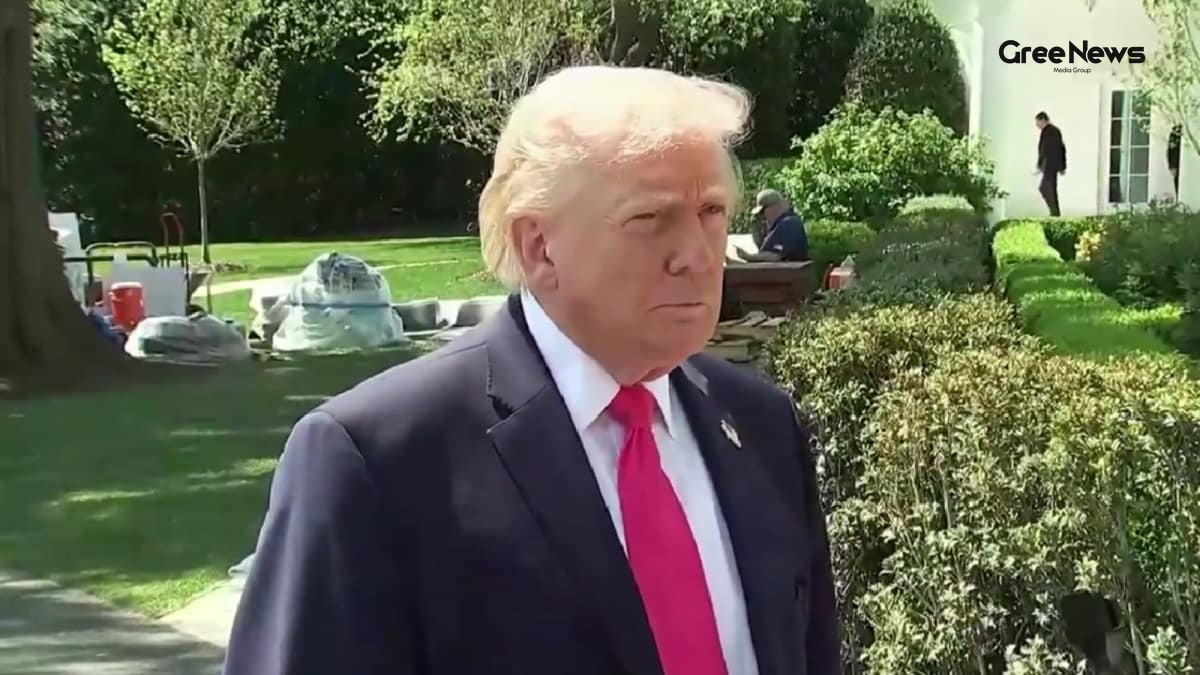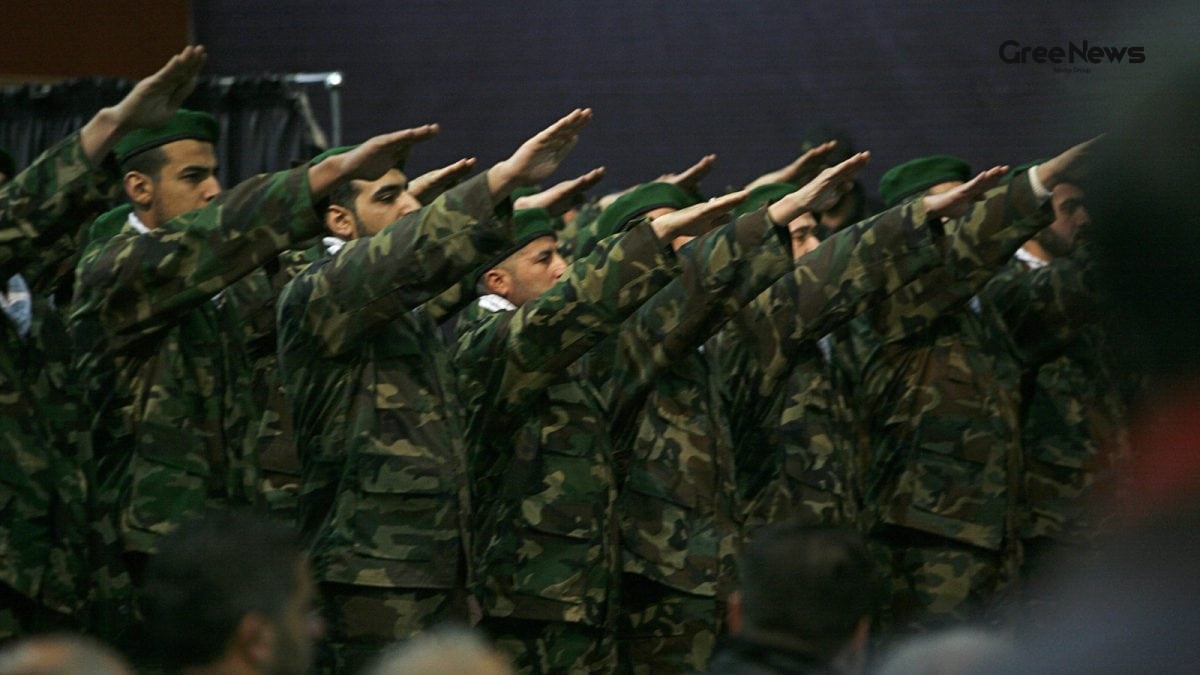
When I was scrolling through my phone early this morning, the headline about a new cease‑fire caught my eye it was popping up everywhere in the latest news India feeds, with people sharing it as breaking news. It felt a bit like those moments when a cricket match gets interrupted by rain and the commentators start speculating about the restart except this time the stakes were far higher. Hezbollah, the powerful Lebanon‑based group, said it would “cautiously adhere” to a cease‑fire that former US President Donald Trump had announced, but there was a catch: Israel must completely stop its strikes. The whole thing was wrapped up with a nod to Iran’s behind‑the‑scenes pressure, which, according to Hezbollah’s own Ibrahim al‑Moussawi, was the real engine pushing this pause forward.
What Hezbollah Actually Said
So let’s break it down in simple terms, like I would explain it to a friend over chai. Ibrahim al‑Moussawi, a senior lawmaker from Hezbollah, told AFP that the group would “cautiously adhere to the cease‑fire on the condition that it is a comprehensive halt to hostilities against us.” In plain English: they’re willing to stop shooting, but only if Israel really, truly stops shooting back. Al‑Moussawi also warned that Israel should not use this pause as a cover to continue assassinations or targeted strikes. What this essentially means is that Hezbollah is keeping its cards close to its chest they’ll step back, but only if they’re sure the other side isn’t just pretending to cool down.
Now, why does this sound so careful? Imagine you’re at a busy Indian market, and a vendor offers you a discount but only if you promise not to bargain further. You’d be sceptical, right? Same kind of vibe here. The cease‑fire is like that discount it sounds good, but the group wants guarantees that the other side isn’t just playing a game.
Conditional Acceptance The Fragile Balance
What caught people’s attention was how fragile this whole arrangement feels. Al‑Moussawi’s remarks made it clear that the acceptance is not an open‑hearted embrace but a conditional, watch‑ful nod. The group’s stance mirrors a broader scepticism among Iran‑backed factions, who often worry that such pauses are tactical kind of like a cricket bowler delivering a slower ball to tempt a batsman into a mistake, rather than genuinely easing the pace of the game.
In most cases, when a cease‑fire is announced in a region riddled with long‑standing disputes, the first thing observers look for is whether the parties will actually stick to it or just use it as a breathing space to regroup. The language used by Hezbollah “cautiously adhere” tells us they’re ready to test the waters, but they’re also prepared to pull back if Israel steps out of line. This cautious tone has been a recurring theme whenever external powers try to mediate in the Middle East, and it adds another layer of tension to what was already a volatile picture.
Iran’s Hand in the Background A Subtle Push
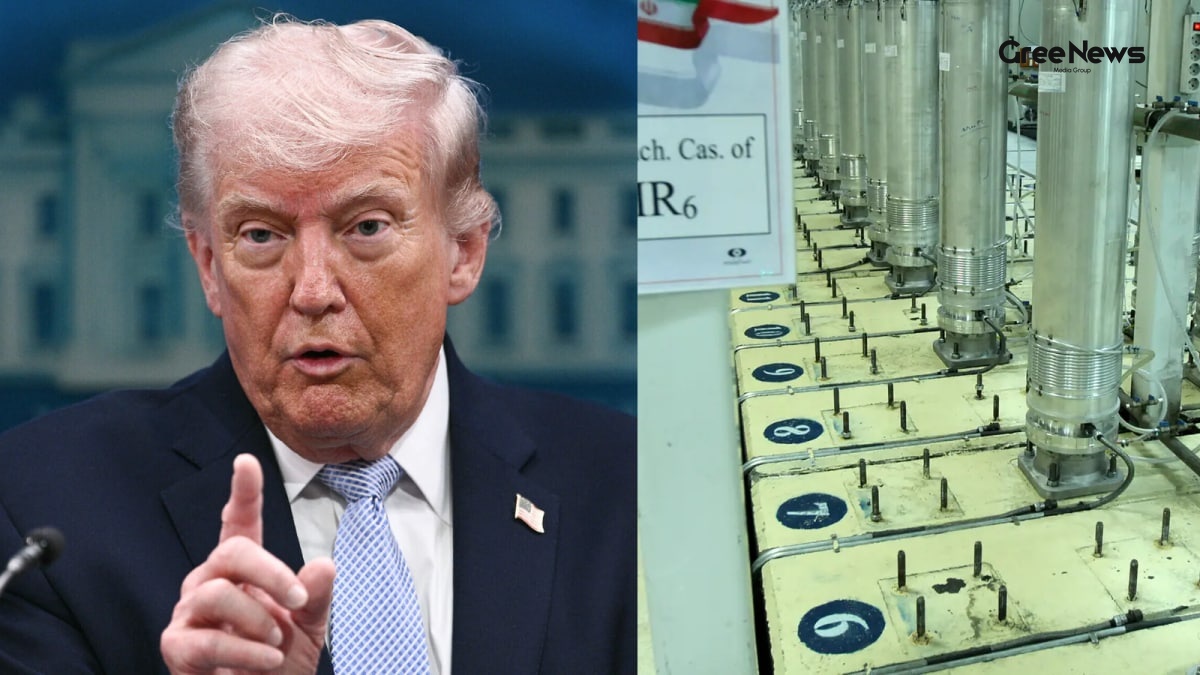
Al‑Moussawi didn’t just stop at the condition; he went ahead and credited Iran for playing a pivotal role. According to him, Tehran exerted “pressure in Lebanon’s favour” to help bring about the cease‑fire. He added that without Iran’s strategic interest especially concerning the Strait of Hormuz, a key oil route that has been a flashpoint in the larger regional drama this aGreement probably wouldn’t have materialised.
Now, you might wonder how that connects to the lives of ordinary people in India, perhaps those watching the news over a cup of tea. Think of it like the way a big corporation in Delhi might influence a local market’s pricing the larger player’s interests ripple down to affect the day‑to‑day transactions. Iran’s geopolitical concerns, especially about oil flow through Hormuz, are like that big corporation; they shape the moves of smaller, yet powerful groups like Hezbollah.
What’s interesting, and what many were surprised by, is how neatly this narrative ties into larger global energy discussions a topic that pops up in many trending news India circles, especially when oil prices swing after conflicts in the Gulf. It’s a classic example of how regional politics can have a direct impact on the price of petrol at a pump in Delhi, which is why people keep a close eye on such developments.
Wider Regional Tensions The Bigger Picture
The cease‑fire announcement arrives against a backdrop of rising hostilities across the Middle East. In the past few weeks, there have been repeated exchanges between Israel and various Iran‑backed groups a pattern that has raised fears of a larger conflagration. While the truce offers a potential lull, the guarded response from Hezbollah underscores just how tentative any peace can be.
To put it in an Indian context, think of a season of a popular TV serial where a major plot twist is introduced, only for the writers to leave the audience hanging on a cliff‑hanger. The fans are excited, but they’re also waiting for the next episode to see if the twist actually resolves the tension or simply adds a new layer of drama. That’s exactly what’s happening here the world is watching to see whether this cease‑fire holds or whether both sides will test its limits in the coming days.
Many people were surprised by how quickly this announcement was framed as a potential turning point. Yet, given the history of short‑lived truces in the region, a cautious stance by Hezbollah is perhaps realistic. The next few weeks will likely see a series of moves and countermoves, each side trying to gauge the other’s commitment. This “testing of limits” is something that resonates with the everyday gamer in India, who knows that a new level often comes with unexpected challenges.
Why It Matters to Us The India Connection
Even if the events are happening thousands of kilometres away, they are very much a part of what we follow as breaking news and trending news India. The ripple effects can be seen in several ways from oil prices that affect the cost of cooking gas in Mumbai, to the diplomatic narratives that shape India’s own foreign policy in the Middle East, where a large number of Indian expatriates work.
For example, the tension around the Strait of Hormuz mentioned by al‑Moussawi directly ties into the global oil supply chain. Whenever there is news about a potential conflict in that region, we see spikes in oil prices which, in turn, become viral news on social media. It’s a chain reaction and that’s why a discussion about a cease‑fire in Lebanon quickly becomes part of India updates that we see on our news apps.
Moreover, the way Hezbollah framed its acceptance “cautiously” is a reminder of how diplomacy often involves a lot of back‑and‑forth, something we see in India’s own political conversations too. Whether it’s a state‑level negotiation over water resources or a national dialogue on trade aGreements, the principle of conditional acceptance is a familiar one.
What Might Happen Next? A Little Speculation
Now, what happened next is interesting. If Israel respects the cease‑fire and truly stops its operations, we could see a short period of reduced violence, which might let humanitarian agencies access affected areas. On the other hand, if Israel uses the pause to conduct covert strikes something al‑Moussawi warned against Hezbollah could perceive that as a breach and might resume hostilities, possibly with greater intensity.
One possible scenario that many analysts are watching is the “test of limits” approach. Both sides could engage in low‑intensity skirmishes, each trying to gauge how far they can push without breaking the tacit aGreement. In most cases, such tests either lead to a renewed, more robust cease‑fire or spiral into fresh clashes. The outcome might also be influenced by external actors for instance, if Iran decides to step up its diplomatic pressure, or if the United States signals a stronger stance.
For us in India, following this story can feel a bit like watching a live cricket match where every over could change the result. That’s why the narrative quickly turns into viral news, with social media platforms buzzing with every new development, memes, and analysis pieces.
Personal Takeaways A Reflection
Honestly, reading about the cease‑fire reminded me of how fragile peace can be, not just in far‑away places but also in our own neighbourhoods. I remember a time when my own community had a dispute over a water pump, and a temporary aGreement was reached only for one side to slip back into old habits after a few weeks. The same pattern seems to emerge again here: a promise, a condition, a test, and then… maybe another round of negotiations.
Watching the headlines on my phone, I felt a mix of hope and scepticism. Hope that a real pause could bring relief to the people caught in the crossfire, but scepticism because history has shown that such pauses are often short‑lived. In many ways, it mirrors the way many of us approach big life decisions we look for the right moment, set conditions, and then wait to see if the other party respects them.
What I find most striking is how the whole episode becomes part of that “trending news India” feed that keeps pulling us back for updates. It’s a reminder that global events, even those far away, have a way of entering our daily conversations over dinner tables, in office water coolers, and on WhatsApp groups.
Conclusion Keeping an Eye on the Future
All in all, the cease‑fire announced by former President Trump, and Hezbollah’s careful response, is a complex piece of the larger puzzle in the Middle East. While Iran’s diplomatic nudges helped shape the announcement, the real test will be whether Israel sticks to the promise of a full stop on its operations. The next few weeks will be crucial both for those living on the ground and for observers worldwide who keep track of breaking news and viral news stories.
For readers following India updates, this story is a reminder of how interconnected our world is. From oil prices at the pump to diplomatic headlines, a single cease‑fire can ripple across continents, influencing everything from market trends to everyday conversations. So, as the situation unfolds, let’s stay tuned, discuss with friends, and keep an eye on the next chapter of this evolving narrative.