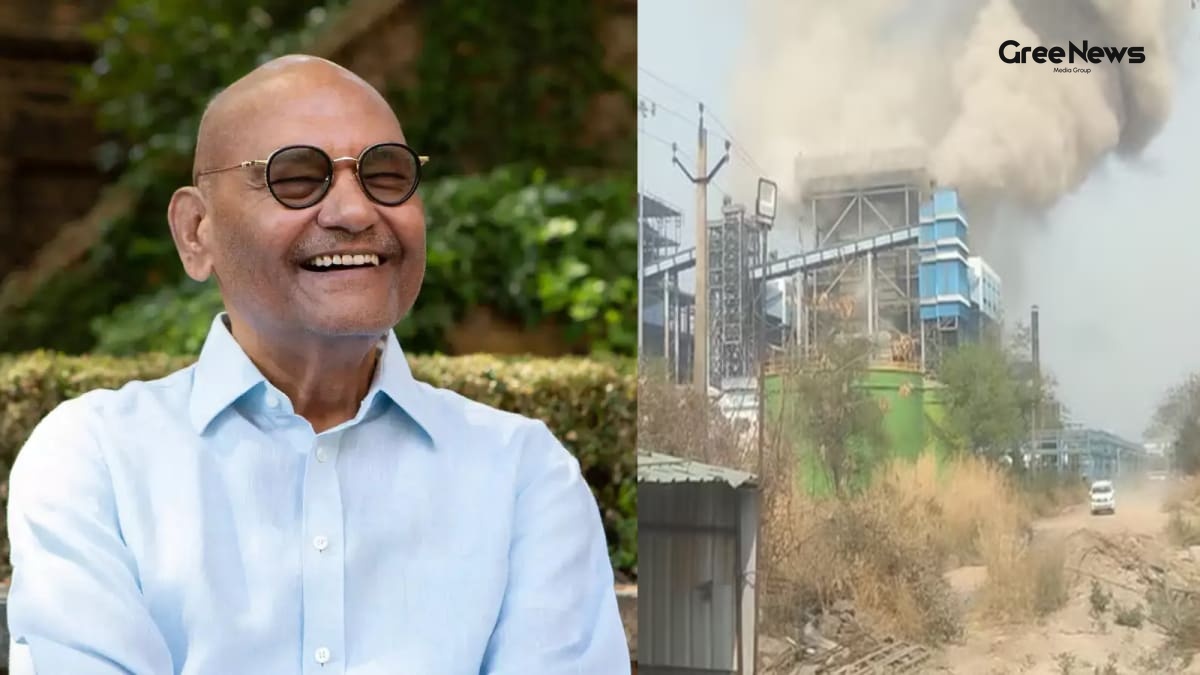
Chhattisgarh police file FIR against Vedanta Group Chairman Anil Agarwal and others over Sakti power plant blast that killed 20 and injured 16.
I was scrolling through my phone this morning, catching up on the latest news India, when I saw the headline about the tragedy at the Athena Power plant. It was one of those breaking news stories that just sticks with you because of the sheer scale of loss twenty lives gone in an instant, and a dozen plus more fighting for their health.
The FIR, as reported by the police, names Vedanta Group Chairman Anil Agarwal along with several other individuals. The complaint has been lodged at Dabhra police station, invoking sections 106, 289 and 3(5) of the Bharatiya Nyaya Sanhita. These sections deal with causing death by negligence, negligent conduct concerning machinery, and common intention respectively. The officer in charge, Sakti Superintendent of Police Prafull Thakur, told the media that eight to ten people, including Vedanta Group Chairman Anil Agarwal, have already been listed. He also mentioned that if the investigation uncovers more responsible parties, their names will be added to the FIR.
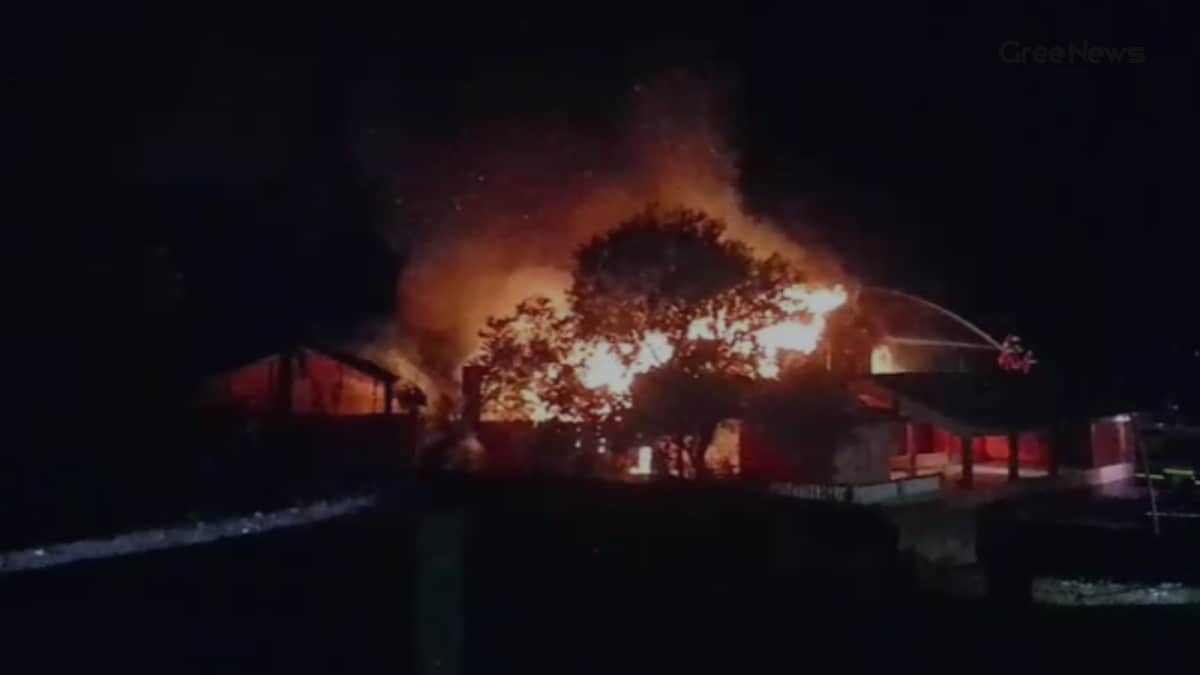
What really caught people's attention was the description of how the explosion happened. According to the official statement, the blast took place in Singhitarai village when a steel tube carrying high‑pressure steam from the boiler to the turbine burst. The sudden rupture sent out a wave of super‑heated steam and flames, leaving workers with severe burns. In most cases, such accidents are linked to equipment failure, but the details here point to a deeper issue of operational oversight.
What the preliminary technical probe revealed
When the fire brigade and forensic teams arrived, the first thing they did was to secure the area and start a technical assessment. The chief boiler inspector’s initial report, which later made its way to the police, highlighted an alarming build‑up of fuel inside the boiler furnace. This excess fuel created a pressure surge that the system couldn’t handle, forcing a lower pipe out of its proper position and causing the catastrophic blast.
The Forensic Science Laboratory (FSL) in Sakti ran a series of tests on the debris. Their findings backed up the boiler inspector’s conclusions the accumulation of fuel and the resulting excessive pressure were indeed the primary triggers. This aligns with what plant officials later said: a leak in the high‑pressure steam tube was the immediate cause, but the root cause lay deeper in the furnace’s fuel management.
Honestly, reading through those technical details made me think of the countless factories we see around our cities where maintenance is often taken for granted. The whole episode feels like a stark reminder that negligence, whether intentional or not, can have deadly consequences.
Legal angle sections under which the FIR was filed
Let’s break down the legal jargon a bit, because it’s easy to get lost in numbers and sections. Section 106 of the Bharatiya Nyaya Sanhita deals with causing death by negligence. In simple terms, if someone fails to take reasonable care and that lapse leads to a fatality, they can be held accountable under this provision.
Section 289 focuses on negligent conduct with respect to machinery. This is particularly relevant here because the equipment the boiler and the steam pipe are heavy, high‑risk machines. Any oversight in their operation or maintenance can fall under this clause.
Lastly, section 3(5) addresses the idea of common intention meaning if a group of people collectively acted in a way that led to the accident, each of them can be charged, even if their individual roles differed. That’s why the FIR lists a handful of individuals alongside Vedanta Group Chairman Anil Agarwal.
Impact on the families and the local community
Beyond the legal and technical aspects, the human side of this story hits hard. The workers who lost their lives were mostly from nearby villages, many of them providing for families back home. I spoke to a neighbour of one of the victims, and she told me how the whole community is in shock children are now without fathers, wives are facing uncertainty, and the town’s rhythm has been completely disturbed.
In most cases, such tragedies also bring up the issue of compensation. While Vedanta has said they will cooperate with the authorities, the families are understandably anxious. A lot of people are asking when and how the compensation will be disbursed, and whether it will be sufficient to cover medical expenses for the injured and the livelihood of the bereaved.
This part of the story is what keeps the discussion alive on social media platforms. People keep sharing the news, tagging officials, and asking for fast‑track justice a clear sign that this incident has struck a chord across the nation, turning it into a viral news moment.
Reactions from the corporate world and regulators
After the news broke, several corporate watchdogs and industry bodies issued statements. The Ministry of Power, for instance, emphasized the need for stricter safety audits across all thermal power plants. They hinted at possible policy revisions, but nothing concrete has been announced yet.
Meanwhile, competitors in the power sector have been cautiously watching the developments. In an interview with a senior executive from another major power company, he said, "We hope the investigations bring clarity and that the industry as a whole learns from this tragic incident." It’s a classic case of people trying to balance empathy with the need to protect their own operations.
On the public side, trending news India pages are filled with debates about whether such large corporations can ever be truly accountable, or if the system is rigged to protect the powerful. This conversation is shaping a larger narrative about corporate responsibility in India.
Safety measures and what could have been done differently
One of the biggest takeaways from the incident is the glaring gap in safety protocols. If you think about it, the boiler’s furnace is a high‑risk zone where fuel levels need constant monitoring. The fact that excess fuel built up to a dangerous level suggests either a failure in automated monitoring systems or a lapse in manual checks.
Experts say that regular third‑party audits, real‑time pressure sensors, and a robust emergency shutdown mechanism could have prevented the blast. In most cases, a quick valve closure can relieve pressure before it reaches a critical point. Unfortunately, the investigation indicates that such safeguards were either absent or not functional at the time of the accident.
In daily life, we often hear about safety drills in schools and offices, but industrial safety doesn’t get the same level of public scrutiny. This tragedy might just be the push needed for authorities to enforce stricter standards, and for companies like Vedanta Group Chairman Anil Agarwal’s enterprises to invest more heavily in safety technologies.
What the future holds for the investigation
The FIR is just the starting point. Sakti Superintendent of Police Prafull Thakur assured that a detailed enquiry will follow, and that forensic experts will continue to analyse the debris, the boiler’s maintenance logs, and the fuel management system. The court will likely see a series of hearings where witnesses, including plant workers and engineers, will be called to testify.
Given the high‑profile nature of Vedanta Group Chairman Anil Agarwal, the case is expected to attract a lot of media attention. It’s going to be a long road, with the possibility of further charges if more people are found to be complicit. The legal process might also set a precedent for how similar industrial accidents are handled in the future.
Until then, the families of the victims, the injured workers, and the entire Sakti community will be waiting for answers. As a citizen who follows breaking news regularly, I can’t help but hope that the truth comes out swiftly and that necessary changes are implemented before another such tragedy repeats itself.