The 10‑Day Ceasefire: A Quick Overview
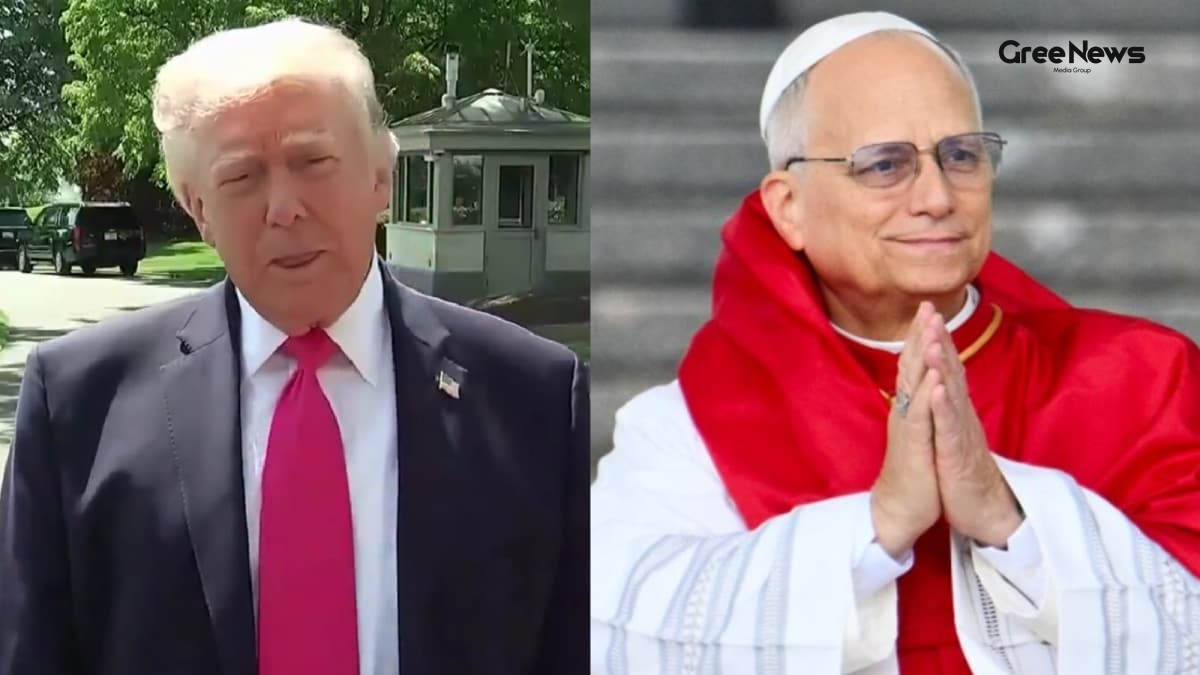
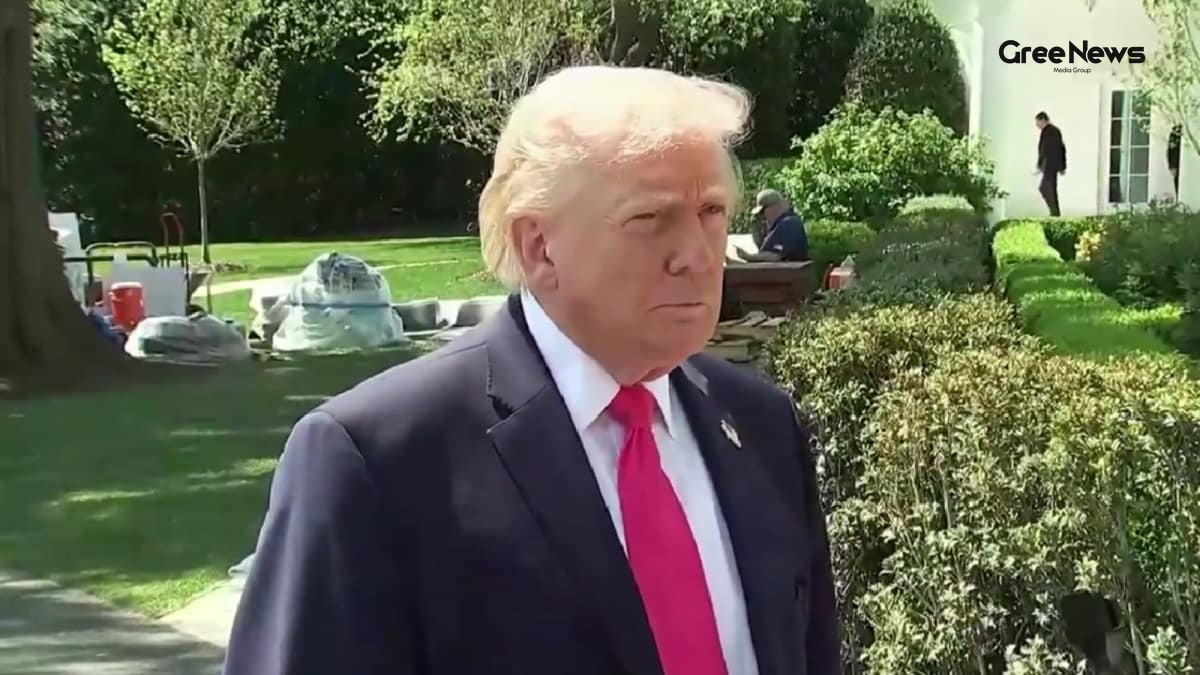
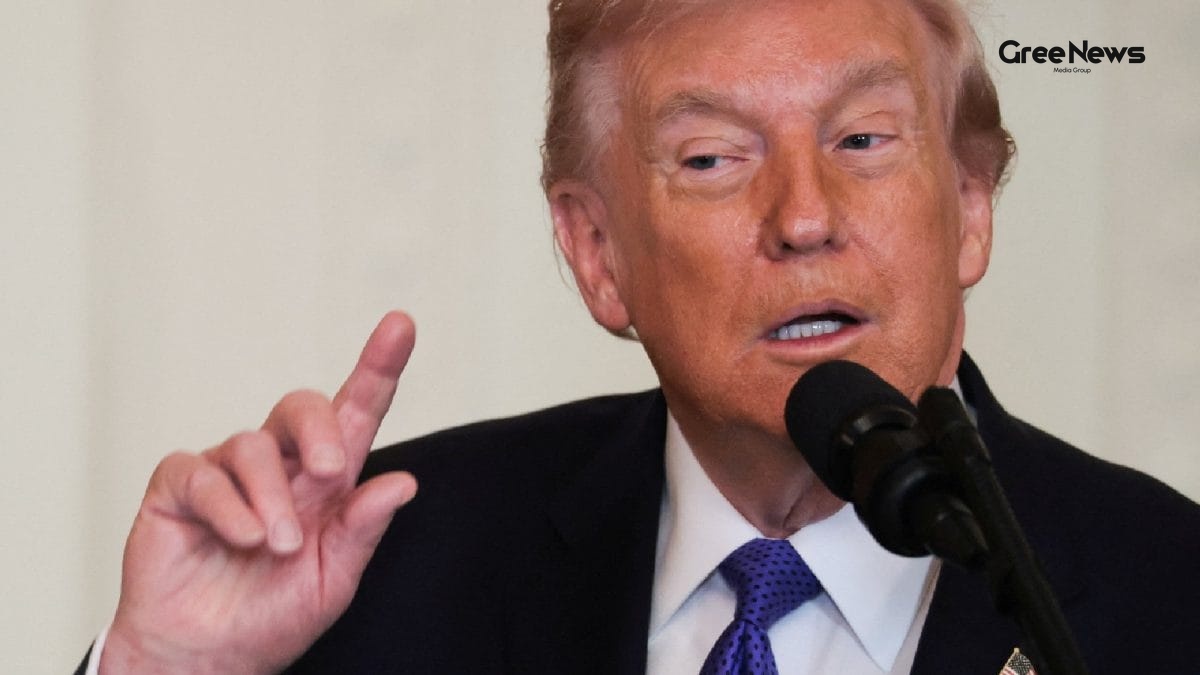
When Donald Trump posted the announcement on Truth Social, the news instantly turned into the latest news India was buzzing about. The 10‑day ceasefire kicked off at 5 pm EST, offering the first genuine break in a war that has already claimed countless lives. By pulling Israeli Prime Minister Benjamin Netanyahu and Lebanese President Joseph Aoun into the same negotiating room, Donald Trump’s administration created a fragile window that many hope will open the door to the first meaningful high‑level talks between the two nations since 1983.
What makes this truce interesting is that it’s not presented as a permanent solution. Instead, Donald Trump framed it as a "stress test" a 240‑hour period that lets both sides see if they can stick to a short‑term promise without the pressure of long‑term concessions. In most cases, such a short‑term pause can act like a breath of fresh air in a smog‑filled room, giving everyone a chance to reassess their positions.
Why 240 Hours? The Logic Behind a ‘Cooling‑Off’ Period
In a conflict as tangled as the Israel‑Lebanon war, a permanent ceasefire often feels too ambitious for a first step. By limiting the ceasefire to just 10 days, Donald Trump’s team hoped to keep the stakes low while still providing enough time for both sides to prove their sincerity. The idea is simple: if the fighting stops for 240 hours without a single major rocket launch or airstrike, it sends a strong signal that diplomatic talks can move forward.
For the Israeli Defence Forces (IDF), the pause is a logistical lifeline. After weeks of heavy combat, the IDF can reshuffle supplies, tend to wounded soldiers, and conduct fresh intelligence sweeps along the volatile border. Meanwhile, Lebanese President Joseph Aoun gets a rare chance to show that the Lebanese state can actually enforce its authority over areas that Hezbollah has traditionally controlled. The hope is that a successful 10‑day stretch will give President Joseph Aoun and Prime Minister Nawaf Salam the political capital they need to start the hard work of disarming non‑state actors a demand that both Israel and the international community have long insisted on.
In most cases, a short‑term cooling‑off period also reduces the immediate loss of civilian lives, which has become a heartbreaking trend in the recent fighting. This humanitarian angle is one reason why the story has become viral news across social platforms in India, with many users sharing personal anecdotes of relatives watching the conflict unfold on television.
Connecting the Ceasefire to the Bigger US‑Iran Puzzle
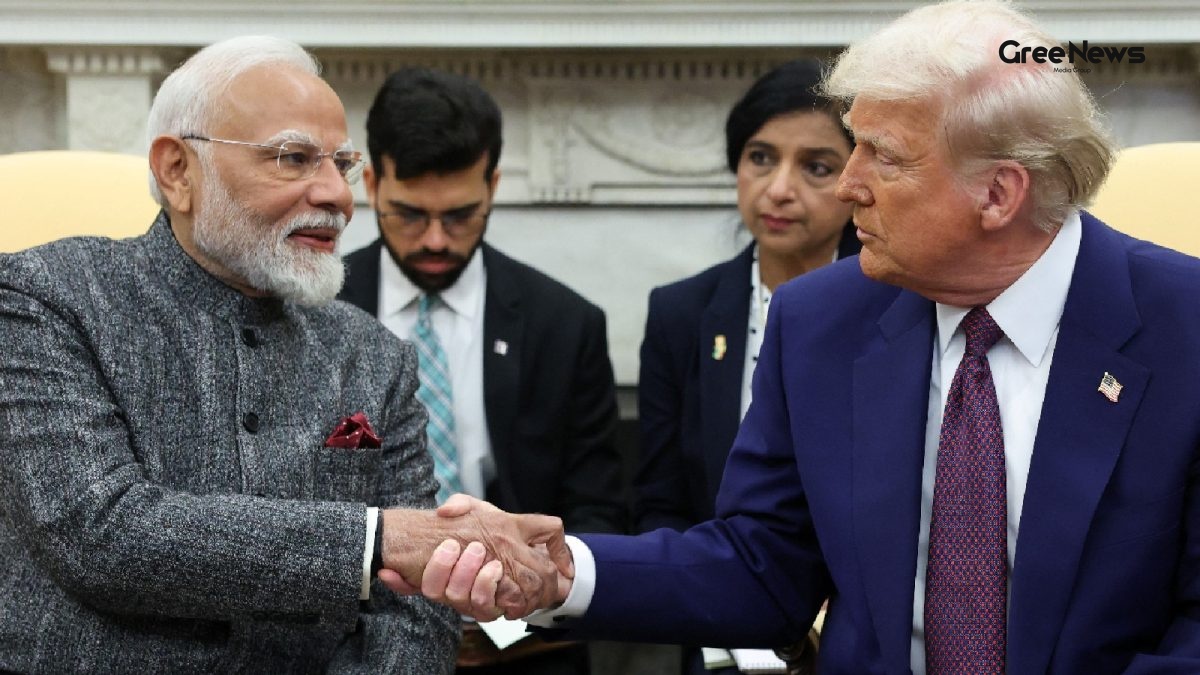
The 10‑day truce does not sit in isolation; it is tightly knit with the ongoing “maximum pressure” campaign that the United States has been running against Iran. When Donald Trump announced the ceasefire, he also instructed Vice President JD Vance and Secretary of State Marco Rubio to lead the next round of talks, calling the Lebanon‑Israel pause the “10th war” that Washington is trying to resolve.
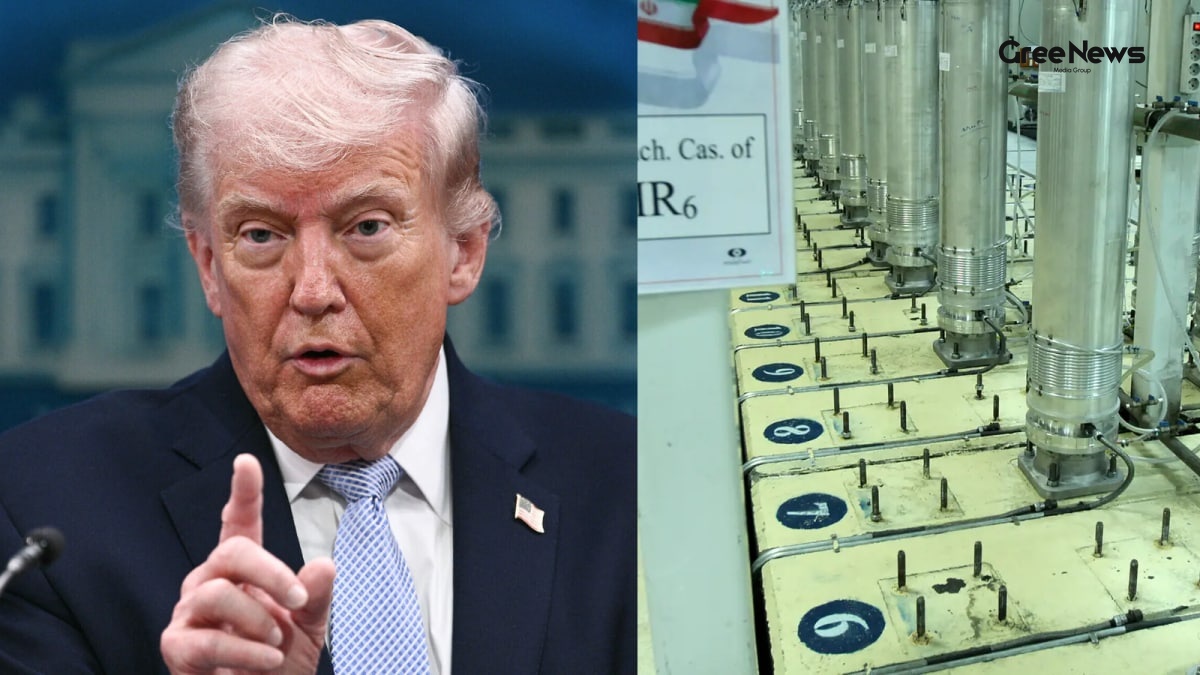
By creating a lull on the Lebanon front, the United States hopes to isolate Hezbollah, which receives backing from Tehran, and push Tehran towards a diplomatic settlement. The strategy is to show that the United States can manage one hotspot without letting it spill over into a wider regional war. In many ways, the ceasefire acts as a pressure valve, letting both sides step back and consider a broader peace framework that includes issues like the Strait of Hormuz and nuclear de‑escalation.
Adding to the complexity, Pakistan has stepped in as a mediator for the US‑Iran dialogue in Islamabad. This multilateral effort means that the short‑term success of the Lebanon ceasefire could serve as a proof‑of‑concept for the larger diplomatic push. If the 10‑day window holds, it could strengthen the negotiating hand of the mediators and make it easier to convince Tehran to re‑engage in constructive talks.
Risks on the Horizon: What Could Break the Truce?
The biggest red flag for the "Trump Truce" is the lack of a formal buy‑in from Hezbollah. While Lebanese President Joseph Aoun welcomed the ceasefire, Hezbollah has repeatedly insisted that any aGreement must be comprehensive and must not allow the "Israeli enemy" any freedom of movement. Historically, short‑term ceasefires in this part of the world have sometimes been used by non‑state actors to regroup, rearm, and plan the next round of attacks. That’s why many analysts are calling this a delicate experiment.
Because there is no robust enforcement mechanism beyond US diplomatic pressure, a single rogue rocket or a misidentified drone strike could shove the whole aGreement into the dustbin within hours. The Israeli Defence Forces (IDF) are aware of this danger and have positioned surveillance teams along the border to monitor any violations. At the same time, Lebanese President Joseph Aoun has ordered his security forces to stay on high alert, hoping to catch any breach before it spirals.
This uncertainty has made the story a trending news India topic on many platforms, with people debating whether the US can actually enforce the ceasefire without committing troops on the ground. The conversation often circles back to the broader question: can a 10‑day experiment really change the long‑standing dynamics between Israel, Lebanon, and their external patrons?
Public Reaction: From Street Corners to Social Media Feeds
Back home in India, the announcement lit up WhatsApp groups, Twitter threads, and even the comment sections of regional news portals. One of my friends in Delhi, who follows Middle‑East geopolitics for his blog, told me that this ceasefire feels like a rare moment of optimism in an otherwise grim news cycle. He said the story quickly turned into breaking news on his feed, with many readers sharing their hopes that a short‑term pause could pave the way for a lasting peace.
In Mumbai’s local tea stalls, the conversation moved from the ceasefire to the bigger question of US‑Iran relations. Some patrons wondered whether the United States could simultaneously manage the Lebanon front and keep the pressure on Iran without inflaming the already volatile regional climate. Others compared the 240‑hour window to a cricket inningsshort enough to be exciting, but long enough to change the game's direction.
Even among college students, the ceasefire sparked debates in political science classes. Professors used it as a case study to illustrate how “stress tests” work in diplomacy, while students argued whether the lack of Hezbollah’s participation could become a deal‑breaker. All this chatter contributed to the story’s status as viral news, demonstrating how quickly an international development can become part of everyday conversation in India.
What Comes Next? Potential Scenarios After the 10‑Day Window
If the 10‑day ceasefire survives the test, the next logical step would be a series of high‑level meetings between Israeli Prime Minister Benjamin Netanyahu and Lebanese President Joseph Aoun. Such talks could address core issues like border demarcation, the status of disputed territories, and the disarmament of Hezbollah. Success in those talks could set a precedent for broader regional negotiations, possibly even pulling Iran into a more constructive dialogue.
On the flip side, if the truce collapses before the deadline, it could deepen mistrust on both sides and give hardliners a stronger platform to argue that diplomatic overtures are futile. In that scenario, the United States might double down on its “maximum pressure” strategy, possibly escalating sanctions on Iran and increasing military support for Israel.
Either way, the 240‑hour experiment is already shaping the narrative of the conflict, and the way it unfolds will matter not just for the Middle East but also for global geopolitics. For a country like India, which watches these developments closely as part of its own strategic calculations, the episode has quickly become part of the broader “India updates” that policymakers and analysts track on a daily basis.