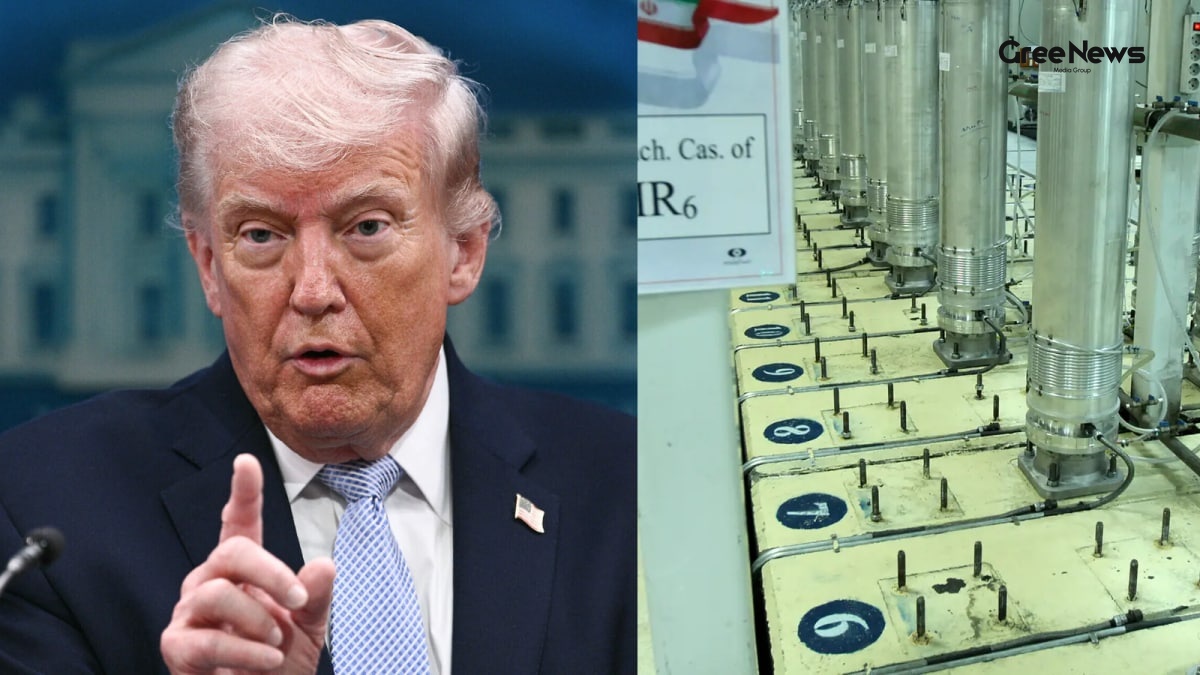
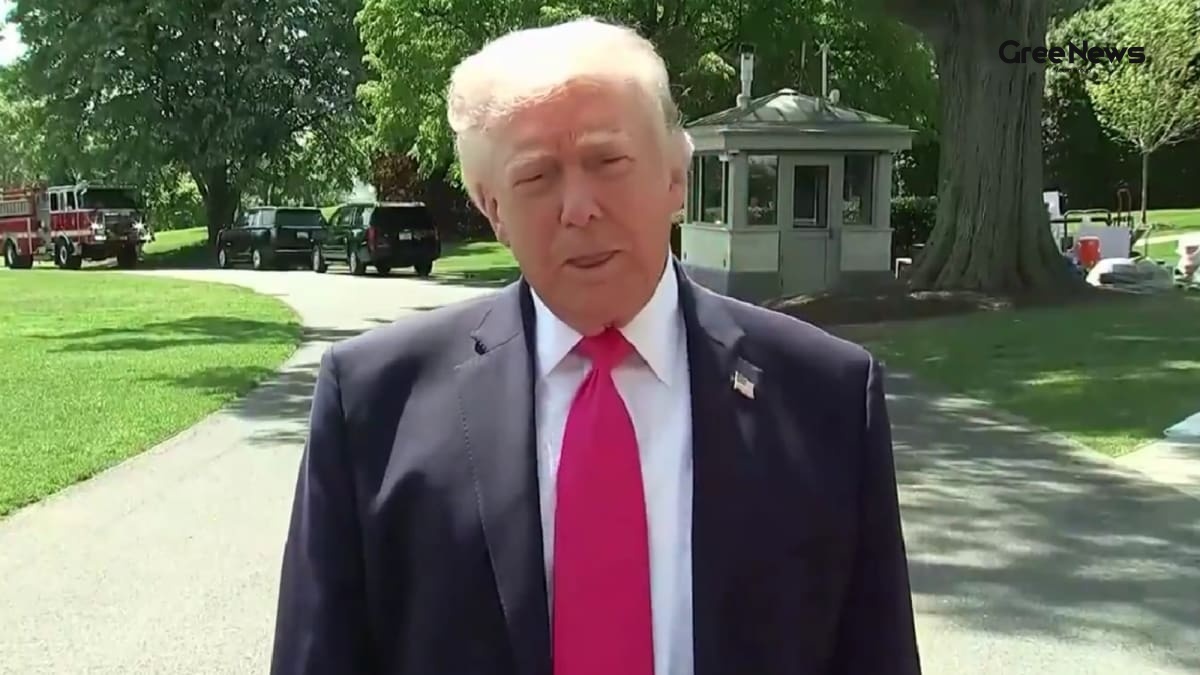
Honestly, when I first tuned into the channel this morning, I was expecting the usual blend of traffic updates and cricket scores that dominate most Indian breakfast screens. But then, a breaking news bulletin flashed across the screen about the US House rejecting a bid to limit President Donald Trump’s war powers against Iran. I thought, "What’s happening there?" and suddenly I was pulled into a story that feels like a mix of political drama and a high‑stakes chess game.
What caught people's attention was the fact that this wasn't just any ordinary vote it was a clear signal from the US legislature that there’s a serious tug‑of‑war between the executive branch and Congress over who gets to decide when the country goes to war. And trust me, this is the kind of stuff that ends up as trending news India, especially when it involves a potential multi‑billion‑dollar conflict.
What the resolution actually tried to do
So, basically the Democrats on the House floor introduced a resolution that would have forced President Donald Trump to get explicit congressional approval before any further military action against Tehran. They invoked the War Powers Resolution that old‑fashioned rule that says a president can’t keep the country in a prolonged fight without a Green light from lawmakers.
According to the text of the measure, the President would have to stop any US military moves unless the House and Senate gave a clear nod. The Democrats argued that the current operations, which started back on February 28 when the US joined forces with Israel, were launched without the constitutional backing that the Constitution reserves solely for Congress the power to declare war.
In everyday terms, it’s like a parent saying, “You can’t go out with your friends until I say it’s okay.” The resolution wanted that parental control back, and many felt it was overdue.
The vote almost a straight party line
When the roll‑call started, the atmosphere in the House reminded me of a cricket match where one team is clearly dominant. The Democrats pushed hard, but the final tally was overwhelmingly along party lines. Out of all the Republicans, only one voted in favor of the resolution, another simply abstained, and a single Democrat went the other way.
Even though the margin was a tad narrower compared to a similar attempt back in March, the Democrats still couldn’t muster enough cross‑party support to push the measure across the finish line. It’s a bit like trying to rally a crowd at a wedding function you might have a few enthusiastic helpers, but you still need the whole family on board to make the ceremony happen.
This result tells us a lot about the current political climate in Washington the President still commands solid backing within his own party, even as many Republicans and Democrats alike are whispering about the growing unease over the war’s direction.
Rising concerns over cost and strategy the money talks
Now, here’s where the story gets even more interesting for anyone following the latest news India: the financial side of the conflict. Lawmakers have been pressing the administration for a clear picture of how much this war is actually costing the American taxpayer.
During a recent congressional hearing, White House budget director Russ Vought essentially gave the finger to the request, declining to provide any concrete cost estimate. He also didn’t confirm the $50 billion figure that Senator Jeff Merkley had floated around. Imagine you’re at a market in Delhi, you’re asked how much you spent on a shopping spree, and the shopkeeper just shakes his head and says, “No idea.” That’s how it felt to many members of Congress.
Democratic leaders have warned that the daily financial burden could be as high as $2 billion per day. To put that into perspective for an Indian reader, that is roughly the entire annual budget of a mid‑size Indian state being spent in a single day. No wonder there’s a sense of panic: the money isn’t just disappearing; it’s being pumped into a war whose endgame is still hazy.
Democrats warn of a dangerous escalation
Before the vote, senior Democrat Gregory Meeks gave a stark warning that the US was teetering on the edge of a long‑term conflict without a clear exit plan. He used the metaphor of standing at the edge of a cliff, saying, “We are standing at the edge of a cliff… every day we delay, we inch closer to a conflict with no exit ramp.” That line stuck with me it’s the kind of imagery that turns a political debate into a real‑life thriller.
Democratic Whip Katherine Clark echoed that sentiment, pointing out that ordinary Americans were being asked to shoulder both human and financial costs for a war that hasn’t been fully explained. The feeling among many lawmakers was that the war could spiral into a broader regional war something that could draw in neighbours, destabilise the Middle East further, and drag the US deeper into a quagmire.
These concerns are very much part of the viral news cycle now. Every time a new development pops up, social media feeds across India light up with hashtags like #IranWar, #USPolitics and even regional memes comparing the situation to a Bollywood drama where the hero forgets his own mission.
Will this issue keep resurfacing?
The House’s decision came just a day after the Senate also knocked back a similar war‑powers proposal. Yet, Democratic leaders in both chambers have signalled that they will keep pressing for votes, hoping to force the administration to put the conflict on a transparent record.
Even though President Donald Trump enjoys broad support within his own party, the repeated attempts to curb his war powers show a growing bipartisan discomfort. It’s like a family where the elders keep reminding the head of the family that there are rules that need to be followed eventually, the head might have to think twice before making unilateral decisions.
For now, the war continues, and the cost both in dollars and lives keeps climbing. The House may have said no this time, but the issue is far from settled. Most likely, we will see more debates, more votes, and more headlines that will keep appearing in the trending news India feed.
Personal takeaways why it matters to us here in India
Watching this unfold, I couldn't help but think about the parallels back home. When the government announces a big project or a new policy, we often ask: “Who’s paying for it? What’s the end goal?” The same questions are being asked by American lawmakers, and the lack of clear answers makes the whole situation feel a bit like watching a cricket match where the umpire refuses to show the decision.
Moreover, the economic numbers are staggering. If you compare the $2 billion per day cost to India’s own defence spending, you realise the scale is massive it’s like the entire Indian armed forces' annual budget being spent every single day on this single conflict. That kind of spending, especially when there is no clear exit plan, naturally raises eyebrows and fuels public debate.
And let’s not forget the human side. Families both in the US and Iran are facing uncertainty, much like the families of soldiers back home who never know when their loved ones will return. The story, therefore, isn’t just about geopolitics; it’s about real people, real expenses, and real consequences that echo far beyond the borders of either nation.
So, as we skim through our daily India updates, it’s worth remembering that the world is deeply interconnected. A decision taken halfway across the globe can ripple into the headlines we read, the discussions we have over chai, and even the way our own leaders think about war powers and accountability.
That’s why I keep following the breaking news not just for the sensational headlines, but because it reminds us to stay vigilant about how power is used, no matter where the decision makers sit.