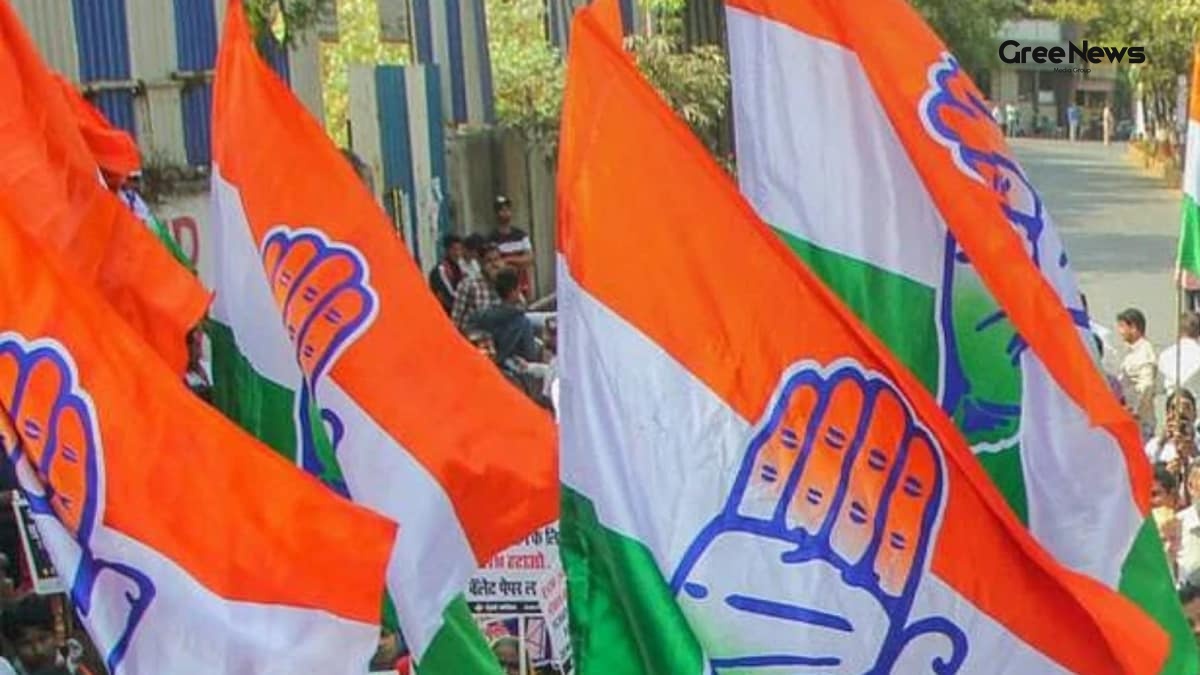
What triggered the suspension of five Haryana MLAs?
Honestly, I was sipping my chai at a local dhaba when the first alerts of the Rajya Sabha election started flashing on my phone. Within minutes, I realized that something big was brewing in Haryana politics. The story that unfolded was nothing short of a political thriller five Congress legislators, namely Shalli Chaudhary (Naraingarh), Renu Bala (Sadhaura), Mohammad Illyas (Punahana), Mohammad Israil (Hathin) and Jarnail Singh (Ratia), apparently decided to ignore the party whip and cast their votes for the BJP‑backed independent candidate Satish Nandal.
Now, you might wonder why this matters. In a parliamentary system, especially in a state like Haryana where each Rajya Sabha seat can tip the balance of power at the national level, cross‑voting is considered a serious breach of discipline. The Congress leadership, which was already battling internal rifts, viewed this as a direct challenge to its authority.
What happened next is interesting the state disciplinary committee reviewed the alleged transgression, and Rao Narender Singh, the chief of Haryana Congress, announced the suspension after receiving a Green light from Congress president Mallikarjun Kharge. This move instantly became breaking news India, dominating the news cycle for a few hours.
Background: Rajya Sabha elections and the political climate in Haryana
To understand why the suspension created such a stir, you need a quick refresher on how Rajya Sabha elections work. Unlike the Lok Sabha where people vote directly, Rajya Sabha members are elected by the elected representatives of the state legislative assemblies. So, every MLAs' vote carries a lot of weight.
In the recent election, the Congress had fielded its official nominee, hoping to secure another seat for the party. Meanwhile, the BJP, keen on expanding its influence, threw its support behind an independent candidate named Satish Nandal. This is a common strategy in Indian politics backing an independent to split the opposition’s votes.
The atmosphere in the assembly was tense. You could feel the pressure in the corridors; legislators whispered, “Will they follow the whip?” and “What if we don’t?” It was a classic case of political horse‑play, and I was watching it unfold on live TV, which felt like a reality show with real stakes.
When the voting took place, the official count showed that the Congress nominee fell short, while Satish Nandal emerged victorious. The later revelations that Shalli Chaudhary, Renu Bala, Mohammad Illyas, Mohammad Israil and Jarnail Singh had voted for Satish Nandal turned the whole episode into a massive talking point in trending news India.
How did the party find out about the cross‑voting?
After the election results, the Congress leadership started piecing together the voting patterns. In most cases, the party relies on a sealed ballot system, but there are ways to track individual votes through the secretariat’s internal records. The disciplinary committee, which includes senior party functionaries, cross‑checked the voting sheets with the list of MLAs who were expected to vote for the party’s candidate.
According to the committee’s report, Shalli Chaudhary, Renu Bala, Mohammad Illyas, Mohammad Israil and Jarnail Singh’s ballots showed a clear preference for Satish Nandal. This was flagged as a violation of the party whip, which had been communicated to every MLA before the poll.
Following the discovery, Congress issued show‑cause notices to the five legislators, asking them to explain why they deliberately did not vote for the party’s nominee. The notices were sent via official channels, and the legislators were given a short window to respond. Their silence, or whatever reply they gave, was taken as an admission of guilt, leading to the recommendation for suspension.
Official response: Suspension announcement
On the day the decision was announced, Rao Narender Singh held a press conference outside the party office in Chandigarh. He started by saying that the party had a “serious breach of discipline and anti‑party activity.” He then listed the names Shalli Chaudhary, Renu Bala, Mohammad Illyas, Mohammad Israil and Jarnail Singh and explained that they had “defied the party whip and backed the BJP‑supported independent Satish Nandal.”
Rao Narender Singh added that the suspension was not a “punishment” but a “necessary step to maintain party discipline.” He also mentioned that the decision was approved by Congress president Mallikarjun Kharge after a careful review. This part of the story quickly turned into viral news, with people sharing clips of the press conference on WhatsApp groups and Twitter.
Later, Mallikarjun Kharge himself posted a brief statement on the official party website, reaffirming that “no one is above the party’s rules.” He reminded all party members that the whip is a binding direction and that any violation would be dealt with firmly.
Reactions from the suspended MLAs and the public
The public reaction was mixed. In my own neighborhood, friends on the tea stall argued that the MLAs were just looking after their own interests and that the party was being too harsh. Others felt that the suspension was necessary to keep the party united, especially with the upcoming state elections looming.
On social media, the hashtag #HaryanaCongress was trending for a few hours. Some political analysts wrote op‑eds questioning whether the party’s decision would alienate certain voter bases, especially in constituencies where Shalli Chaudhary and Renu Bala enjoy strong personal followings.
Interestingly, Satish Nandal, the independent candidate who benefited from the cross‑voting, did not comment directly on the incident. However, his supporters on various WhatsApp groups praised the “courage” of the five legislators, calling them “free thinkers.” This added another layer to the story, showing how political narratives can diverge based on the audience.
Implications for the Congress ahead of upcoming battles
From my perspective, the whole episode is a clear sign that internal discipline is a major challenge for the Congress, not just in Haryana but across the country. The party’s leadership, especially Mallikarjun Kharge, has been trying to project a united front before the next state assembly elections. The suspension sends a strong message that any deviation from the party line will be dealt with strictly.
However, there’s a flip side. By suspending five sitting MLAs, the party also risks alienating the voters who see those legislators as their direct representatives. In constituencies like Naraingarh, Sadhaura, Punahana, Hathin and Ratia, the suspended members have a history of grassroots work. If the party does not manage the fallout well, it could lose ground to the opposition in those areas.
Political pundits predict that the Congress will have to work extra hard to rebuild its cadre in Haryana. The disciplinary action could also serve as a warning to other legislators who might be tempted to “play both sides” during elections. In most cases, parties rely on loyalty, but the current political climate in India updates shows that personal ambitions and local calculations often override party directives.
Overall, the incident has become a part of the ongoing narrative of “anti‑defection” and the importance of party whips in Indian democracy. It’s an example of how real‑time politics can turn into breaking news India that keeps the nation’s attention glued to the TV screen.
Looking ahead: What might happen next?
Many people were surprised by this whole saga, and I’m still wondering what the next steps will be. Will the five suspended legislators contest the next election as independents? Will they join another party? Or will Congress bring them back after an apology? The disciplinary committee’s recommendations are clear, but politics often takes unexpected turns.
For now, the party’s focus seems to be on damage control patching up relationships with local leaders, reassuring the grassroots workers, and preparing campaign strategies for the upcoming polls. As the story continues to develop, it will likely stay in the limelight of trending news India, especially as the next wave of elections approaches.
One thing is certain: the incident has sparked a broader conversation about party discipline, the role of whips, and the influence of independent candidates in Rajya Sabha polls. It also reminds us how quickly a political episode can become viral news, spreading across WhatsApp, Twitter, and local cable news channels, shaping public opinion in real time.
So, if you’re following the latest news India, keep an eye on how the Congress navigates this internal crisis. It might just set the tone for how other parties handle similar situations in the future.