How the Ceasefire Was Announced A Quick Recap
I was scrolling through my phone in the morning, sipping a cup of masala chai, when the headline popped up: Israel and Lebanon had aGreed to a ten‑day ceasefire. The news felt like a fresh breeze on a hot Hyderabad afternoon. Former US President Donald Trump posted on his social platform, describing the talks with Lebanese President Joseph Aoin and Israeli Prime Minister Benjamin Netanyahu as “excellent conversations”. He said the ceasefire would start in the evening according to Indian Standard Time, framing it as an opening step toward a broader peace process. The tone was upbeat, and many of us hoping for calm across the region felt a flicker of optimism.
Why This Feels Like Breaking News for India
Even though the conflict is far from our doorstep, it lands squarely in the realm of breaking news for Indian readers. The situation directly impacts India’s energy imports, the safety of Indian workers in the region, and diplomatic ties with both Israel and Lebanon. Whenever there’s a flare‑up, airline tickets from Delhi to Tel Aviv become a hot topic on travel forums, and our diaspora communities start sharing updates real‑time. So the ceasefire isn’t just a distant diplomatic event it’s part of the daily information flow that shapes the latest news India follows, especially when it promises a pause in hostilities that could affect regional stability.
Historical Backdrop The Long‑Running Israel‑Lebanon Tension
To understand why this ceasefire matters, you need a quick look at the history that has kept Israel and Lebanon at odds for over seventy years. After the 1948 Arab‑Israeli war, both countries remained technically at war. The border has been one of West Asia’s most volatile frontiers. In 1978 and again in 1982, Israel invaded Lebanon, saying it needed to tackle Palestinian armed groups that had set up camps inside Lebanese territory. The 1982 invasion led to an Israeli military presence in southern Lebanon that lingered until the year 2000.
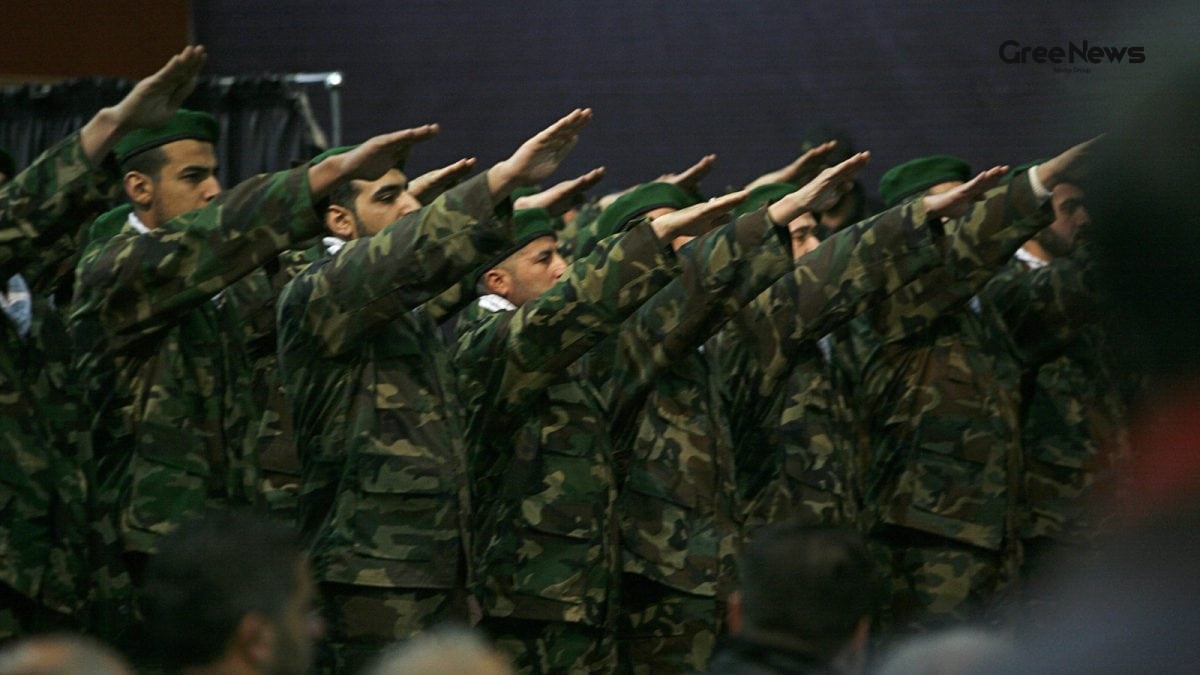
When Israel finally withdrew, Hezbollah rose as the dominant force along the border. The group positioned itself as a resistance movement against Israel, leading to a devastating month‑long war in 2006. That conflict left a trail of destruction across southern Lebanon and northern Israel, with rockets and airstrikes rattling homes on both sides. Even after 2006, the border never truly calmed. Sporadic clashes, airstrikes, and massive military build‑ups kept the tension alive, fuelled by Hezbollah’s growing missile stockpile and Israel’s warnings about any perceived threat.
What the Ceasefire Looks Like on Paper
Donald Trump’s announcement said that the ceasefire would last ten days, starting in the evening in India. The plan was presented as an “opening step”, hinting at a possible larger peace dialogue down the line. The message was simple: both sides should hold fire, avoid provocative actions, and give diplomacy a chance to breathe. In most cases, a ceasefire like this is intended to lower immediate danger and open diplomatic back‑channels that might otherwise be blocked by ongoing hostilities.
From a practical standpoint, this means that rockets fired from Lebanon into Israel should stop, and Israeli airstrikes in Lebanese territory should also be halted for the ceasefire period. The hope is that this pause can prevent an accidental escalation that could spiral into a broader regional war something that would have sent shockwaves across the entire sub‑continent, influencing everything from oil prices to travel plans for Indian tourists.
Why the Ceasefire Might Be Fragile My Observations
While the announcement sounded promising, several things make me think the ceasefire could be as fragile as a paper mache figurine. First, there has been no clear public confirmation from Hezbollah. The armed group has been directly involved in fighting Israel for years, and without an explicit commitment from Hezbollah, the ground reality could be very different. In most cases, when there’s no word from the main actor, the situation stays tense.
Second, Lebanon’s government does not have full control over all armed factions inside the country. This lack of authority limits its ability to guarantee that the ceasefire will hold if any side decides to strike back. The political landscape in Lebanon is like a multi‑layered dosa many flavors and not always the same consistency.
Third, Israeli officials have repeatedly warned that any cross‑border rocket fire or perceived security threat will be met with a strong response. Even a minor incident, like an errant mortar shell, could trigger a swift retaliation that would break the ceasefire in seconds. And finally, previous ceasefires between Israel and Hezbollah have often been temporary pauses rather than lasting solutions. They stopped the fighting for a while but never resolved the deeper issues of border security, military deployments, and regional influence.
Personal Take What This Means for an Indian on a Train Ride
Picture this: I’m traveling on a crowded local train from Mumbai to Pune, earbuds in, listening to a news app. The anchor mentions the ceasefire as a key piece of trending news India, and I can feel the collective sigh of relief among passengers who follow world affairs. For many of us, such developments affect how we perceive safety in international travel, the price of crude oil, and even the geopolitical discourse that shapes Indian foreign policy.
When I think about the ceasefire, I also recall the time when my cousin’s friend, who works as an engineer in the Middle East, expressed anxiety over the escalating tensions. He said that every new flare‑up made his family worry about job security and the safety of Indian expatriates living there. A ceasefire, even a tentative one, eases that worry a little it’s like waiting for the rains after a dry spell in Rajasthan.
How This Fits Into the Larger Media Landscape Viral News and Trending Topics
Fast forward to today, the ceasefire announcement is spreading like wildfire across social media platforms. Hashtags such as #IsraelLebanonCeasefire and #MiddleEastPeace are popping up on Twitter and Instagram, making it a piece of viral news that many Indian netizens are sharing. The story is also featured prominently in the “latest news India” sections of major portals, ensuring that it stays in the public eye throughout the day.
Even the younger crowd, who usually scroll past political headlines, are stopping to comment because the news feels timely and directly linked to the broader narrative about peace in the region. This level of engagement is exactly what keeps the article alive on search engines, as the algorithm picks up on the buzz created by genuine user interest.
What Could Happen Next? A Curiosity‑Driven Outlook
What happened next is interesting: within a few hours of the announcement, there were reports that border patrols on both sides were moving cautiously, checking for any accidental fire. Many people were surprised by this careful approach, as usually tension leads to a quick escalation. If the ceasefire holds, the next logical step would be formal talks involving diplomats from the United Nations, the United States, and perhaps a neutral mediator from Europe.
However, if any side perceives a threat, the response could be swift and severe, potentially undoing the progress made so far. The real test will be whether Lebanon’s government can enforce the ceasefire among its many armed factions and whether Israel can resist the urge to launch a pre‑emptive strike if it feels its security is compromised.
Final Thoughts Is This the Start of a New Chapter?
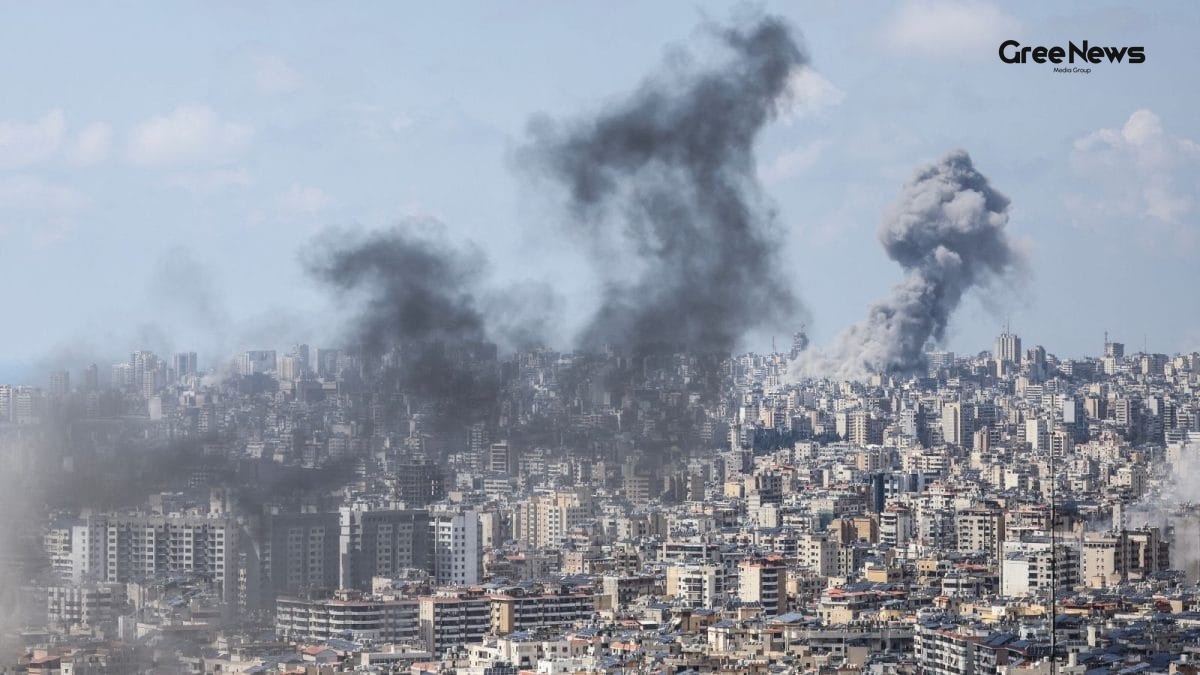
All in all, the ceasefire feels like a tentative breath of fresh air amid years of smoke and fire. While the announcement comes at a crucial time, the underlying issues remain unresolved. For an Indian watching from home, the hope is that this pause will give diplomatic efforts the room they need to build something more durable.
Until then, the story will keep buzzing in the breaking news feeds, becoming part of the trending news India follows, and will likely inspire many more discussions in our cafés and living rooms. I’ll keep an eye on how it unfolds, just like I keep checking the latest updates about my favourite cricket team with a mix of optimism and a dash of caution.