So, the other day I was sipping my regular filter coffee, scrolling through the latest news India feeds, when a headline popped up that said the steel secretary of India had met Russia’s deputy minister of industry and trade in New Delhi. At first glance, it seemed like just another line of diplomatic chit‑chat, but the more I thought about it, the more I realized how this little meeting could actually be a big deal for both countries. This piece is my take on what went down, why it matters, and what could possibly be in store for the steel sector.
Who Was Who: The Key Players
Let’s set the stage the Indian side of the table was represented by the steel secretary, the top bureaucrat who looks after everything related to steel policy in India. On the Russian side, it was the deputy minister of industry and trade, a person who basically handles industrial cooperation for Russia. Both of them sat down together in a conference room in New Delhi. The steel ministry of India confirmed that they talked about cooperation in the steel sector. That’s the clear fact we have.
Honestly, when I first heard about the meeting, I remembered the many times I’ve heard my dad talk about how steel is the backbone of any growing economy. He would say, “From bridges to kitchen utensils, everything needs steel.” So, the very idea of two major steel players talking over a cup of chai felt kind of exciting, didn’t it?
Why This Meeting Matters A Personal Take
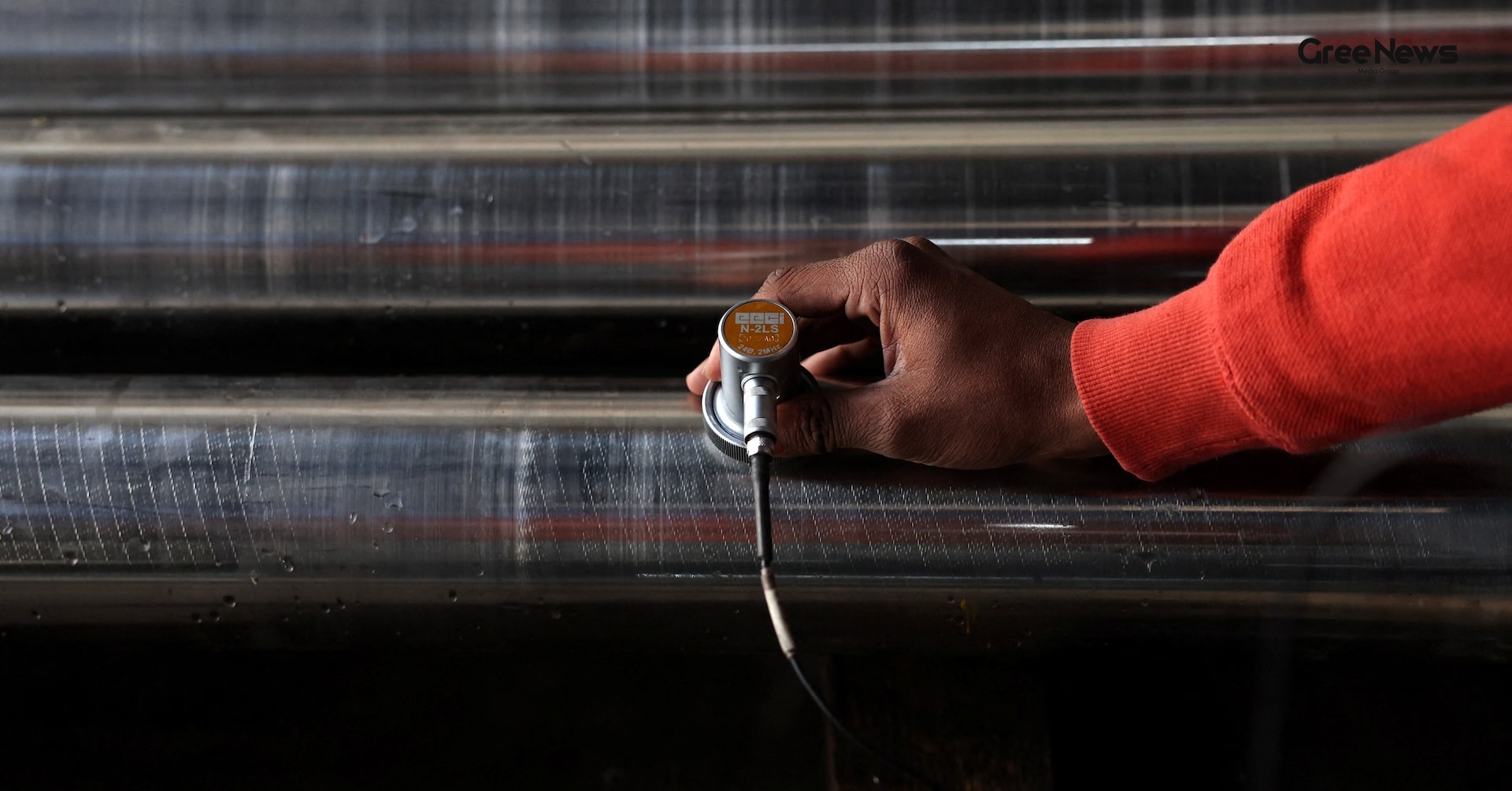
Now, you might wonder why a meeting about steel would be breaking news for many of us. Well, think about it India’s steel production has been on a steady rise, and the country needs reliable sources of raw material, technology, and expertise to keep up with that demand. Russia, on its part, boasts a huge steel manufacturing capability and a deep pool of technical know‑how. When these two worlds collide, even in a talk, the ripple effects can be felt across construction sites, automobile factories, and even the small‑scale workshops that make the everyday items we all use.
What happened next is interesting the officials reportedly discussed ways to cooperate. They didn’t sign any aGreements on the spot, but the very act of sitting together, sharing ideas, and possibly sketching out future joint projects sent a signal. It caught people's attention because the steel industry is often viewed as a silent engine of growth, and any diplomatic overture here could mean a boost in job creation, better technology transfer, and maybe even lower prices for the end‑consumer.
Spotlight on the Steel Sector: What Could Cooperation Look Like?
While we don’t have a concrete list of what was on the agenda and I’m not making up facts here it’s fair to say that cooperation can take many forms. Typically, such dialogues explore:
- Exchange of technical expertise, where engineers from Russia could share insights on modern smelting techniques.
- Joint ventures or partnerships for setting up new plants or upgrading existing ones.
- Supply‑chain collaborations that could help both sides secure raw material like iron ore and coking coal.
In most cases, these kinds of partnerships are slowly built over a series of meetings, and this one in New Delhi is likely the first step. My aunt, who works in a steel fabricator in Gujarat, often tells me that they are always on the lookout for better technology that can bring down production costs. So, any news that hints at possible technology sharing is, for people like her, a cause for optimism.
Many people were surprised by the sheer possibility that Indian steel firms could soon be tapping into Russian expertise. It’s not just about importing steel; it’s about learning how to make it more efficiently at home. That could be a very trending news India angle in the weeks to come.
The Bigger Picture: India‑Russia Economic Ties
Beyond steel, India and Russia have a long history of cooperation from defence to space exploration. So, this meeting fits into a larger pattern of the two countries trying to deepen their economic relationship. The steel sector, being a cornerstone of infrastructure development, naturally becomes a focal point.
I remembered reading a viral news story a while back about how India’s infrastructure push required massive steel input, and the article highlighted the need for reliable partners. Though that story wasn’t about Russia, it shows why the timing of this meeting feels right. The steel secretary’s walk into the meeting room probably carried with it the weight of many upcoming projects that need steel from metros to highways.
The fact that the ministry chose to publicly acknowledge the meeting also indicates that they want the public and industry to know that the government is actively seeking partnerships. That kind of transparency can encourage private players to think about joint ventures, or at least keep an eye out for any forthcoming tenders that might involve Russian technology.
What It Means for Everyday Indians
If you’re like me, you probably don’t think about steel every day unless you’re watching a construction site or buying a new kitchen appliance. But the reality is that steel prices affect a lot of things we use, from the cost of a new car to the rent we pay for a building made of concrete and steel. So, any move that could potentially stabilise or reduce steel costs eventually finds its way to our wallets.
For the average shopper, the news that the steel secretary met with a Russian counterpart might seem distant. Yet, the fact that the meeting was part of a broader push for cooperation means there’s a potential ripple effect: better technology could mean higher quality steel at lower cost, which could translate into cheaper construction projects and possibly lower prices for consumer goods.
And let’s not forget the employment angle. The steel sector employs millions across the country from mine workers in Jharkhand to the welders in small-town factories. If new projects sprout because of this cooperation, it could mean more jobs, more training opportunities, and perhaps even higher wages for those working on the shop floor.
How the Media is Reacting A Snapshot of Trending News India
Within hours of the meeting being reported, several news portals picked it up as breaking news. Social media feeds started buzzing with comments like, “Will this bring cheaper steel?” and “Hope we see some tech transfer soon.” The conversations weren’t just limited to industry experts; even a few friends on WhatsApp started debating whether Indian steel can become globally competitive.
On video platforms, you could see a handful of analysts discussing the potential here, and many of them used phrases like “strategic partnership” and “mutual benefits.” While most of these discussions are speculative, they highlight how the meeting has already become a part of the India updates stream that many of us follow daily.
What’s interesting is that the coverage has been relatively balanced no one is claiming that a massive deal is already signed, but everyone aGrees that the dialogue is a positive sign. That balanced coverage makes the story a perfect example of viral news that isn’t sensationalist, yet still grabs attention.
Possible Next Steps What to Watch For
So, what might happen after this meeting? While I’m not privy to any confidential talks, typical diplomatic engagements follow a pattern:
- Follow‑up meetings either in Moscow or back in New Delhi to narrow down specific areas of collaboration.
- Formation of joint working groups that could draft detailed project proposals.
- Possible signing of memorandums of understanding (MoU) that would lay out the roadmap for cooperation.
Industry watchers will be looking out for announcements about any of these steps. If the two sides do decide to move forward, you can expect press releases that will give more specifics and that’s when more concrete details will become public.
Meanwhile, for those of us following the story as part of the daily latest news India feed, it’s a good idea to keep an eye on the ministry’s official website and the news sections of major Indian business dailies. Those sources will likely be the first to publish any official statements or updates.
Final Thoughts Why This Matters to All of Us
At the end of the day, the meeting between India’s steel secretary and Russia’s deputy minister of industry and trade may seem like a small diplomatic footnote, but it’s exactly the kind of behind‑the‑scenes dialogue that can shape the future of an industry that touches every part of our lives. From the moment you step onto a metro platform to when you buy a new bike, steel is there. Hence, any cooperative step taken at the top can, in time, ripple down to the end user maybe in the form of sturdier infrastructure, better jobs, or even cheaper products.
For now, the story remains a piece of breaking news that has sparked curiosity and conversation across social media, newsrooms, and steel plants alike. What happened next will depend on the will of both governments and the private sector to turn discussions into action. As a regular reader of India updates, I’ll definitely be watching this space and so should you.
Until then, keep an eye on the headlines, enjoy your cup of chai, and remember that sometimes the biggest changes start with a simple meeting in a conference room.