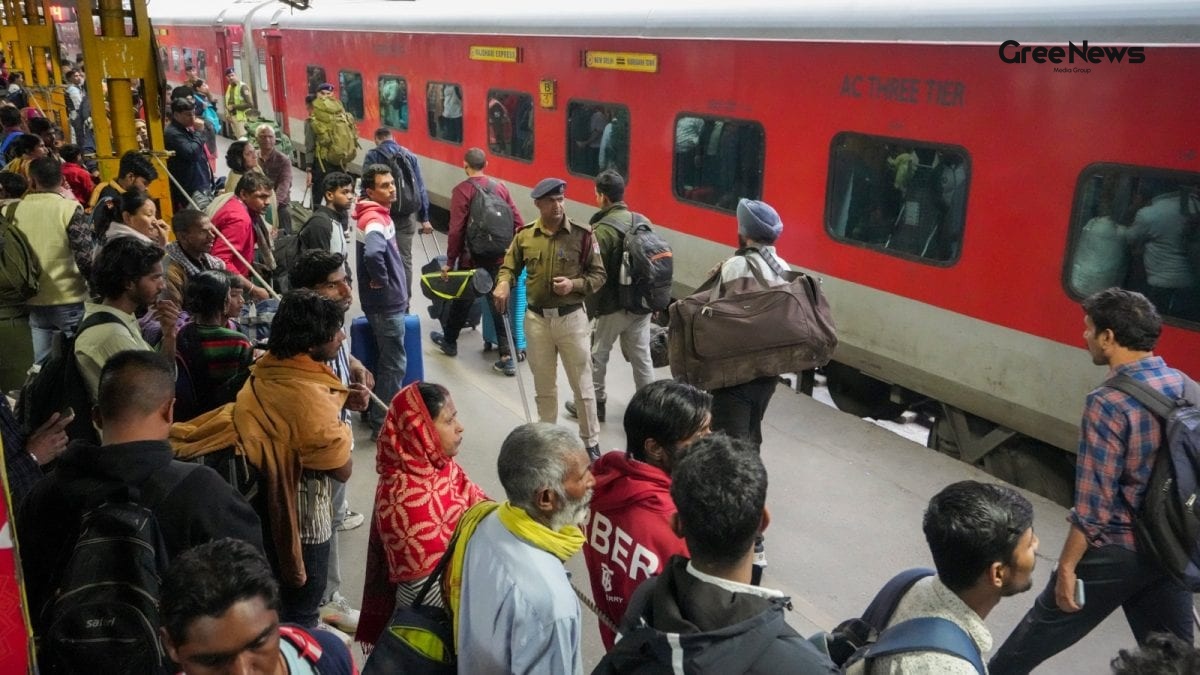
So, picture this I was waiting at Indira Gandhi International Airport for a short domestic hop, and around 2.15 pm the whole place suddenly buzzed with a kind of uneasy excitement. I could hear the usual chatter of announcements, but there was also a low hum of urgency that you don't often feel at a busy Indian airport. It turned out the airport was the epicentre of what quickly became a piece of breaking news for many travellers, especially when I learned that two planes had actually collided on the runway near Terminal 1.
Honestly, I hadn't imagined I would witness a runway incident while waiting for my own flight. But there I was, watching two aircraft being taxied, one a SpiceJet flight that had just landed from Leh the high‑altitude capital of Ladakh and the other a domestic Akasa Air flight that was about to head to Hyderabad. It was like a scene from a movie, except the drama unfolded right in front of the terminal windows.
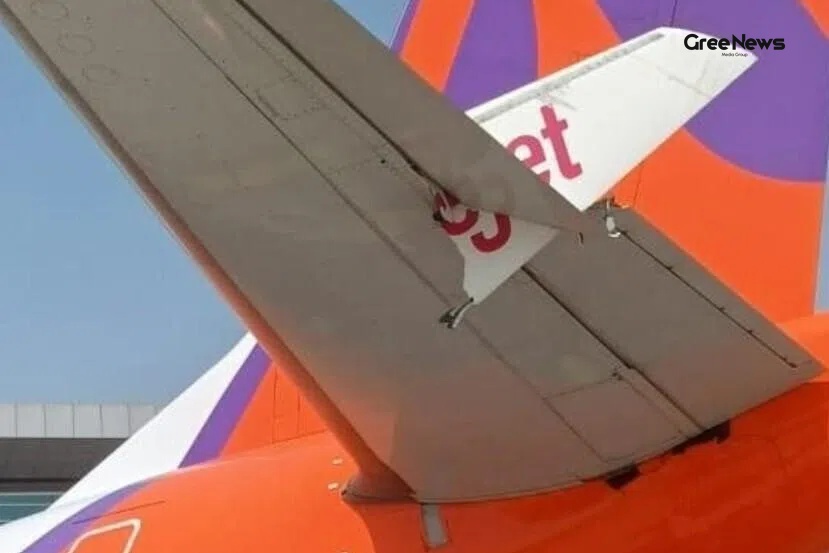
From my spot, I could see the SpiceJet Boeing 737‑700 smoothing out after its arrival from Leh. The pilot seemed to be doing the usual post‑landing checks when, suddenly, the Akasa Air plane which was still stationary, awaiting clearance for take‑off took a light scrape from the SpiceJet aircraft. The contact was minor, but enough to cause damage to the right winglet of SpiceJet and the left‑hand horizontal stabiliser of the Akasa Air plane. Both parts are crucial for stability and aerodynamics, yet the impact was not severe enough to cause any injuries.
What caught people's attention was how quickly the ground crew sprang into action. Within minutes, announcements were made, and passengers from both flights were instructed to disembark safely. The whole process felt oddly calm, almost as if the airport had rehearsed this kind of emergency many times before. It reminded me of watching a cricket match where the fielders move in perfect sync you just know they’ve practiced a lot.
Official Statements and What They Said
Later, as the situation settled, I read the official statements released by both airlines. An Akasa Air spokesperson explained that, according to preliminary information, the Akasa Air aircraft was stationary when the SpiceJet plane made contact. They added that the aircraft returned to its bay on the same day, and that all passengers and crew were safely de‑boarded. The spokesperson also hinted that the airline was arranging alternative flights for the Hyderabad‑bound passengers as quickly as possible.
SpiceJet’s statement was similarly straightforward. They confirmed that their B737‑700 was involved in a ground occurrence while taxiing at the airport, resulting in damage to its right winglet and, coincidentally, to the left‑hand horizontal stabiliser of the Akasa Air aircraft. Both airlines emphasized that the incident caused no injuries and that the planes would be grounded for repairs.
The quotes from the spokespersons, while brief, added a layer of reassurance that resonated with many of us waiting nearby. It was clear that both airlines prioritized passenger safety above all else a point that quickly became a trending news India story on social platforms, with many travellers sharing their own experiences and thanking the ground staff for their professionalism.
My Personal Take on the Whole Episode
Honestly, I felt a mix of shock and relief. When I first heard that two aircraft had collided, my mind raced to the worst‑case scenarios you often see in Hollywood movies explosions, fire, chaos. But the reality was far more subdued and, in a way, more comforting. The damage was minor, the passengers were safe, and the airport’s emergency protocols kicked in without a hitch. I started thinking about the countless people who travel through Indira Gandhi International Airport every day the students heading home, the business folks rushing to meetings, families on holiday. For most of them, this incident was a brief hiccup, but for a few, it could have been a major disruption.
As someone who frequently flies domestically within India, I’ve seen my fair share of delays, but a runway collision is a rarity. It made me appreciate the unsung heroes the ground engineers, the air traffic controllers, and the cabin crew who work behind the scenes to keep flights safe. Their quick coordination turned what could have been a chaotic scene into a smooth, orderly evacuation.
Why This Became Viral News
The incident quickly turned into viral news across the country. Within hours, trending news India hashtags were popping up on Twitter and Instagram, with people sharing photos of the damaged winglet and the stabiliser, clips of the airport announcement, and even memes poking fun at the situation. Many travellers posted about the inconvenience, while others praised the efficient handling by the airport staff. The whole saga fit perfectly into the current appetite for breaking news, especially anything that directly affects daily commuters and travellers in India.
What’s interesting is how the story evolved. Initially, it was just a report of a minor collision, but as more people added their perspectives “I was at Terminal 1 and heard the announcement”, “My friend’s flight got delayed but the airline arranged a quick alternative”, “The ground crew was super helpful” the narrative grew richer. It turned into a collective experience, which is why it stayed in the limelight for a while, becoming part of the larger India updates that people were eager to read.
Impact on Passengers and Flight Operations
Both SpiceJet and Akasa Air grounded the involved aircraft for repairs, as confirmed by their statements. For the SpiceJet passengers, the immediate concern was getting back home after a long journey from Leh, while the Akasa Air travellers were looking forward to heading to Hyderabad for work or family visits. The airlines promised to make alternative arrangements as quickly as possible. In most cases, this meant re‑booking on the next available flight or providing a standby seat on another carrier.
From what I observed, the ground staff set up a temporary waiting area with chairs and water bottles, ensuring that the stranded passengers were comfortable while they sorted out the logistics. The overall atmosphere felt more like a typical delay scenario rather than an emergency, which helped keep things calm. I even chatted with a few passengers; one lady from Hyderabad said she appreciated the airline’s transparency, while a young man traveling from Leh mentioned he was just glad the incident didn’t turn into something more serious.
Safety Protocols at Indira Gandhi International Airport
What impressed me most was the seamless implementation of safety protocols. As soon as the minor collision was reported, the airport’s emergency response team was alerted. They immediately secured the runway, checked for any fuel leaks or fire hazards, and coordinated with the airlines to ensure all passengers were evacuated safely. The whole process seemed to follow a well‑rehearsed checklist, which likely stems from regular drills that airports worldwide conduct.
This incident serves as a reminder of how important such drills are, especially at one of the busiest airports in the country. It also showcases the rigorous standards that Indian aviation authorities maintain. The quick response contributed to the fact that there were no injuries a detail that made the news stand out as a success story among the latest news India covers.
What Could Have Been Done Differently?
While everything turned out well, there are always lessons to be learned. Some comments on social media suggested that better communication between the two airlines could have prevented the contact perhaps a slight miscommunication on taxiing instructions. Others pointed out that clearer signage on the apron might help pilots navigate more safely during peak traffic hours.
From a passenger’s point of view, it would have been helpful if the airlines had provided a more detailed explanation of the delay and the repair timeline. However, given the fast‑moving nature of airport operations, the information shared was already quite comprehensive. Overall, the incident highlighted a few areas for improvement but also reinforced the robustness of the existing safety net.
Looking Ahead How Will This Affect Future Flights?
The grounded aircraft will undergo repairs, and both airlines will likely conduct internal reviews to refine their ground‑handling procedures. For regular flyers, this means that similar incidents are expected to become even rarer. The Indian aviation sector constantly evolves, and events like this, albeit minor, push the authorities to tighten regulations and improve training.
In most cases, passengers like the ones I saw will receive timely updates and alternative travel options. The incident also reminds all of us to stay vigilant, especially when navigating crowded terminals a small tip that can make a big difference in ensuring safety.
Final Thoughts
All in all, what started as a sudden runway collision turned into a story of swift teamwork, passenger safety, and efficient crisis management. It quickly became a piece of trending news India that many people talked about, not because it was a catastrophe, but because it showcased the resilience of our aviation ecosystem. If you ever find yourself at Indira Gandhi International Airport again, you’ll probably notice the same diligent staff, the same bustling terminals, and hopefully, a smooth journey ahead.
And that’s my take on the incident a reminder that even when things go a little sideways, the system is built to bring everything back on track. Stay safe, keep an eye on those flight boards, and trust that the people on the ground are working hard to keep us all moving forward.