When the results are out, the pressure spikes again
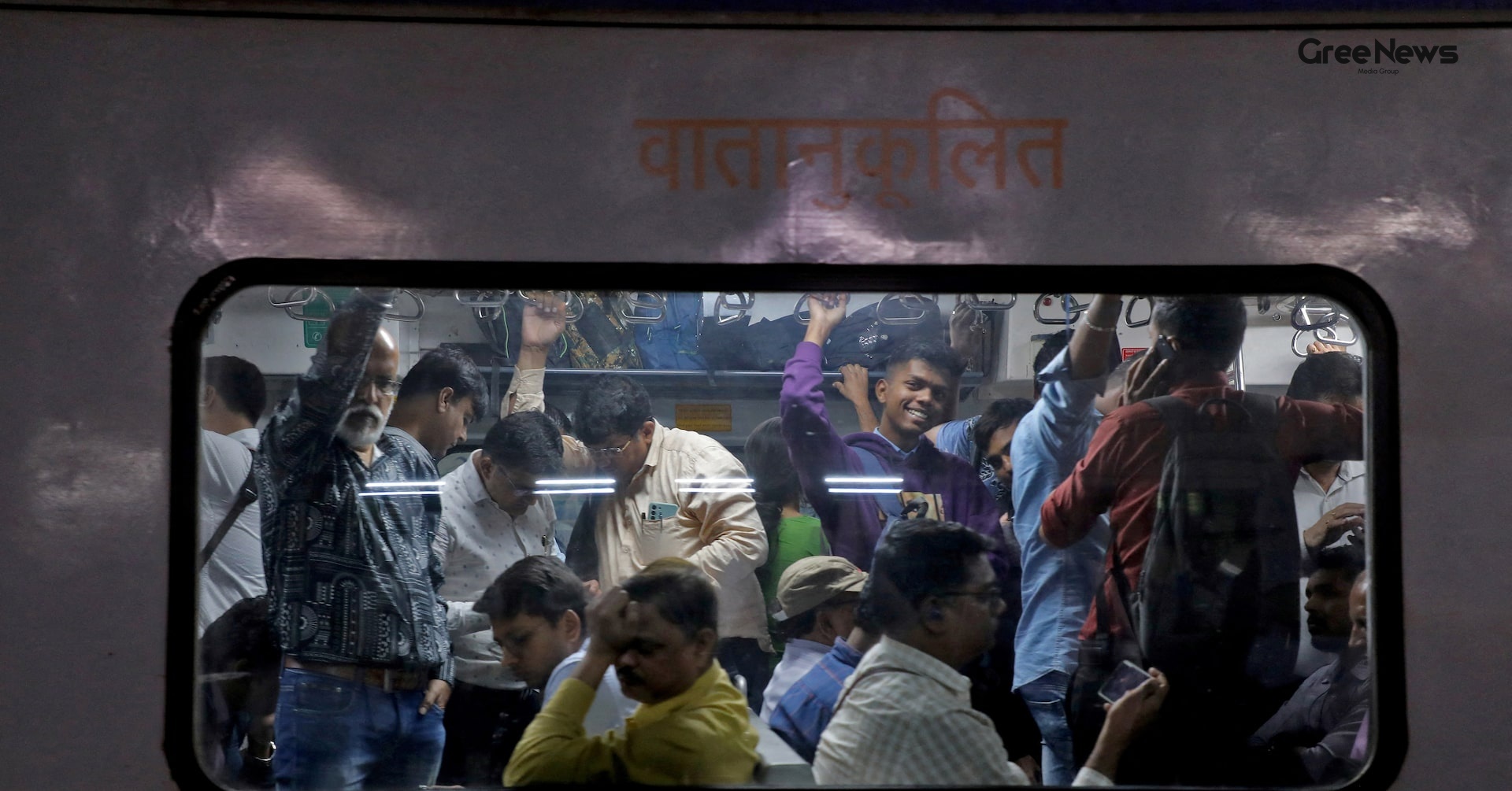
Honestly, the moment the CBSE Class 10 results hit the news feeds, you can feel a sudden buzz across every WhatsApp group, every school corridor and even the chai‑stall outside the main road. It’s like a wave of breaking news that spreads faster than a viral meme. Parents start checking the online portal like they’re tracking a cricket score, and students even those who didn’t sit for the exam this year begin comparing marks, wondering whether they’re good enough for the college they dream of. In most cases, the conversation turns into a heated debate about whether marks truly define a person’s worth. I remember my own brother, who scored 84, feeling ecstatic while his friend with 91 was already planning for engineering seats. That contrast, you know, is what makes the whole system feel so uneven.
What caught people’s attention this time is not just the scores, but the stories that pop up alongside them the articles about increased counseling centres, the trending news India about mental‑health workshops in schools, and the viral news pieces showing parents handing over extra tuition fees. All of this makes the whole scenario feel like a massive pressure cooker, and it’s precisely why I started thinking about the movies that once helped me calm my nerves during exam season.
Taare Zameen Par Seeing the child behind the numbers
Let’s rewind a bit. The first film that pops into my mind when I talk about education pressure is Taare Zameen Par. Even though it’s been more than a decade since it released, its message still feels fresh, especially after seeing the latest results. The story of Ishaan, a child who struggles with dyslexia, reminded me of a classmate back in school who kept failing maths despite studying for hours. The teachers labelled him as lazy, but a new art teacher saw something else a spark, a different kind of intelligence.
Watching that film, I realized how often we equate intelligence with the ability to score well in a standardised test. It’s a bit like saying the only way to enjoy a plate of biryani is by counting the grains of rice you miss the flavor completely. The movie nudges us to look beyond the grades, to understand each child’s unique pace of learning. You know, after the CBSE results, many parents were sharing that very sentiment on social media, highlighting the need for more inclusive teaching methods. That’s why I think Taare Zameen Par is still relevant in today’s trending news India climate it pushes the conversation from mere numbers to actual learning experiences.
One personal anecdote that still makes me smile: during my 10th‑standard board exams, I used to doodle on the margins of my notebook little cartoons of teachers and classmates. My math teacher once asked why I wasn’t writing formulas, and I replied, “Sir, I’m just making the numbers look pretty!” He laughed, but that moment made me think that creativity can coexist with academics, a lesson the film hammered home for many of us.
3 Idiots Questioning the ‘engineer‑only’ mantra
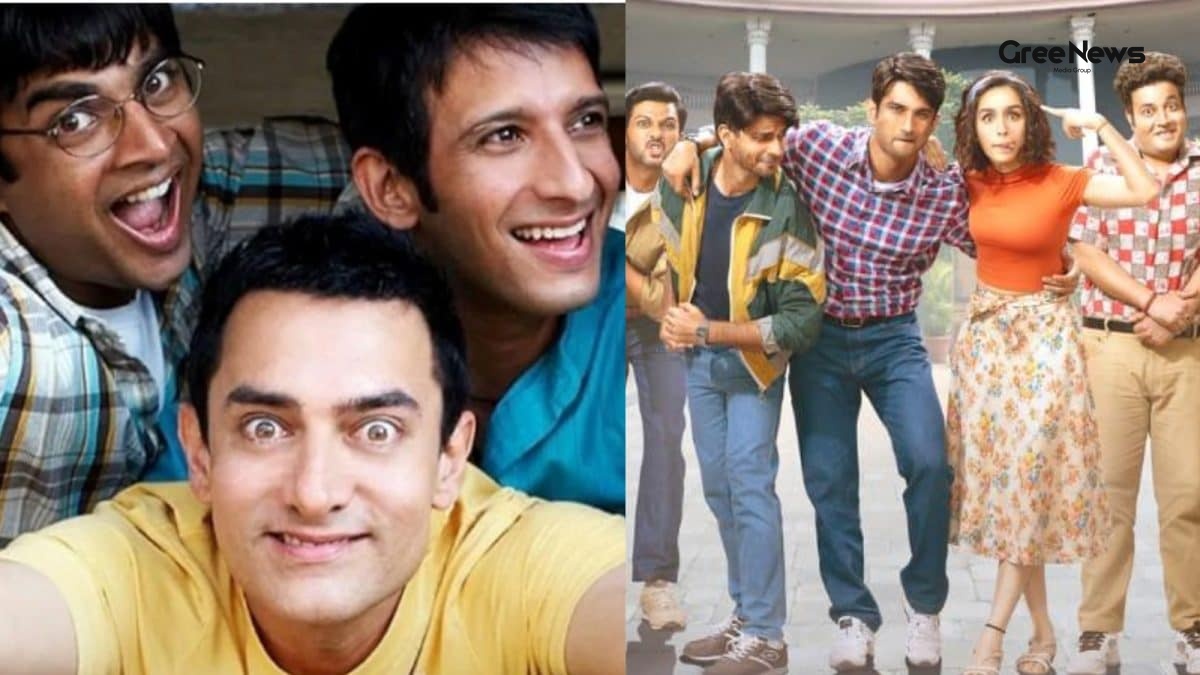
Fast forward to the early 2000s, and I found myself re‑watching 3 Idiots just before the results were declared. The film’s tagline, “All is well”, became a mantra for my friends who were terrified of failing. The story of Rancho, who believed that learning should be about curiosity, not rote memorisation, mirrored the doubts many students feel when they see a huge gap between their scores and the expectations set by society.
One scene that really stuck with me was the “Silencer” speech the moment the protagonist, chased by a strict professor, runs out of the classroom and declares, “All is well”. That line turned into a trending hashtag within minutes, with people posting their own “All is well” memes after seeing the CBSE results. It was as if the nation collectively exhaled, realizing that a single set of numbers doesn't dictate a lifetime.
What’s fascinating is how the film also highlighted the pressure cooker environment of elite engineering colleges, a reality that many of our juniors still face today. I recall a friend from Delhi who, after scoring just above the cut‑off, felt immense relief but also anxiety about living up to the college’s reputation. In my own experience, I saw peers who, despite having solid marks, were still questioning whether they were choosing the right career path a dilemma the movie brilliantly captured.
In most cases, the movie’s underlying message that passion should guide education, not the other way around resonates strongly during this period of CBSE results. It serves as a gentle reminder that the exam is just one chapter, not the whole book.
Chhichhore Friendship, failure and moving forward
Now, let’s talk about a more recent addition to this cinematic trio Chhichhore. Released a few years back, the film deals directly with the stigma of failure, especially in a country where a single low score can label a student as a “loser”. The story of a group of college friends who support each other after a tragic incident underscores the importance of mental health, something the latest news in India is starting to discuss more openly.
When the CBSE results were announced, many students posted about feeling the same pressure the film’s characters faced during their own board exams. The scene where the protagonist, played by Sushant Singh Rajput, gives a heartfelt speech about “no one fails, you just need to move on” went viral, sparking a wave of supportive comments across social platforms.
Personally, I remember a time in my own life when I barely passed a subject and felt like the world was collapsing. It was a close friend who reminded me of that very speech “Failure is not fatal, it’s a stepping stone”. That simple reminder helped me shift my mindset, and it’s exactly the type of advice that can help today’s students who are staring at their result sheets, feeling a mixture of relief and dread.
What’s more, the film’s portrayal of counselling sessions, both formal and informal, aligns with the recent viral news about schools introducing mental‑wellness programs. It shows that films can sometimes predict or even influence policy discussions, turning a piece of entertainment into a catalyst for social change.
Real‑life scenarios How the pressure looks on the ground
Let me paint a picture that many of you might recognise. It’s a typical Monday morning in a small town in Uttar Pradesh. The school gate is buzzing with students clutching their result sheets. In one corner, a boy named Amit is celebrating his 92% with a wide grin, while his friend Rohan is quietly slipping away to the tea stall, head down, feeling embarrassed about his 58%.
What happened next is interesting Amit’s father, who works as a clerk, decides to invest in extra tuition for Rohan, believing that a higher score will change his life. At the same time, Rohan’s mother whispers, “Don’t worry beta, you have other talents”. This tiny incident reflects the larger debate we see across the country: should we push kids into more coaching, or should we value their other abilities? It’s a question that appears in many trending news India pieces about education reform.
Another example comes from my own neighborhood in Mumbai. A group of friends set up a “study‑break” corner under a tree, where they discuss not just schoolwork but also their aspirations like becoming a chef, a photographer, or a social worker. This little community mimics the supportive camaraderie shown in Chhichhore, proving that peer support can be a powerful antidote to pressure.
These everyday stories, sprinkled across villages, metros and everything in between, show that the challenges depicted in the three movies are not just cinematic they are very much alive, right now, as part of the ongoing breaking news about student welfare in India.
What the education system can learn from cinema
Now, I’m not saying that films alone can fix the system, but they certainly hold up a mirror. The recurring theme across Taare Zameen Par, 3 Idiots and Chhichhore is the need for a more holistic approach one that values curiosity, mental health and individuality alongside academic performance.
In most cases, the Indian education board has started to incorporate continuous assessment and project‑based learning, perhaps inspired by the very dialogues that became viral after these movies hit the screens. The latest updates from ministries showing a push for “skill‑based” curricula align with what Rancho always championed learning for its own sake.
At a personal level, after watching these films again during this result season, I find myself more inclined to talk to younger cousins about their interests beyond textbooks. I share anecdotes from my own life like how doodling in the margins helped me develop a knack for graphic design, a skill that later earned me a freelance gig. It’s a tiny example, but it illustrates the power of encouraging students to explore beyond the exam‑centric world.
Conclusion Marks are a chapter, not the whole story
So, as we scroll through the latest news India and read countless articles about CBSE results, let’s keep these cinematic lessons close to heart. The pressure, the anxiety, the celebrations they’re all parts of a bigger narrative about learning and growing. Whether you’re a student, a parent, or a teacher, remember that the journey doesn’t end with a single set of numbers.
In the end, the biggest takeaway from Taare Zameen Par, 3 Idiots and Chhichhore is simple: education should be about discovering who we are, not just about chasing a scorecard. And if a film can spark a conversation that leads to kinder, more supportive classrooms across India, then it’s doing its job better than any textbook ever could.
Stay curious, stay kind, and remember all is well.