My First Take on Wipro’s Huge Buyback
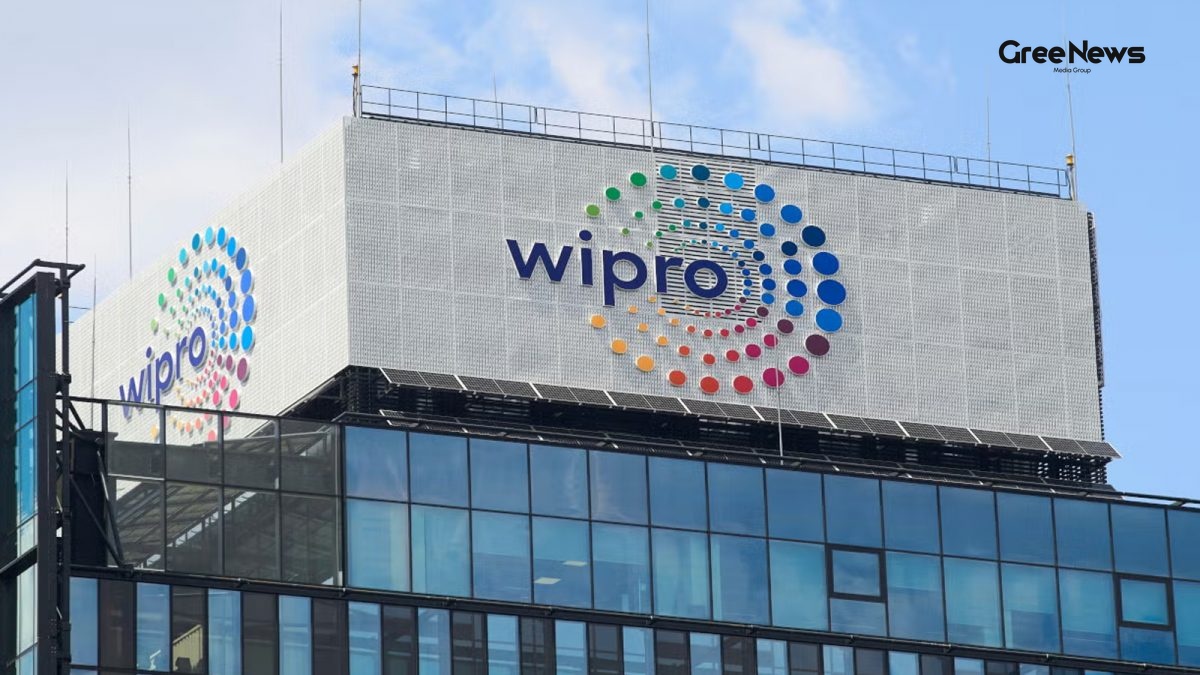
So, I was scrolling through my trading app on a lazy Sunday morning, sipping chai, when a flash notification popped up: "Wipro announces Rs 15,000 crore buyback." Honestly, my first reaction was a mix of surprise and curiosity it’s not every day an Indian IT giant pulls off a buyback of this scale. I brushed off the initial hype and started digging into the details, because when something this big hits the market, it usually makes its way into breaking news and trending news India very quickly.
What caught my attention next was the price Rs 250 per share. At the time, Wipro’s shares were hovering around Rs 210.26, so the offer represented a solid premium. I thought, "If I’m a shareholder, this looks tempting why not lock in a 19% premium?" That simple question led me down a rabbit hole of corporate finance, tender offers, and the subtle signals that buybacks send to the market.
Why Rs 250? The 19% Premium Explained
Wipro’s decision to set the buyback price at Rs 250 translates to almost a 19% premium over the prevailing market price of Rs 210.26. In most cases, a premium this high is meant to entice shareholders to tender their shares voluntarily, rather than waiting for a possible dip in the market. It’s a classic move you see in many viral news stories about big‑cap companies rewarding their investors.
From an investor’s perspective, the premium works like a safety net. Imagine you bought Wipro shares a few months ago at Rs 190. If you had held on, you’d now be looking at a paper profit of about Rs 60 per share. The buyback gives you a guaranteed exit at an even better rate, which is why many shareholders were surprised by how generous the offer seemed.
How Many Shares Are Up for Grabs?
The tender offer route will allow Wipro to buy back up to 60 crore equity shares. That figure may sound massive, but in reality it represents roughly 5.7% of Wipro’s total paid‑up equity share capital. To put it in simpler terms, if you own a slice of the pie, there’s a decent chance you’ll be able to sell a portion back at the premium price.
For everyday investors like you and me, this means the buyback is not just a headline in the India updates feed it’s a real opportunity to adjust our portfolio exposure to the IT sector.
The Tender Offer Route What It Means for You
Wipro has chosen the tender offer route, which basically works like an open invitation to all shareholders who hold shares as of the record date. No fancy qualifications, just a simple “if you have shares, you can tender them.” This also includes investors who received equity shares after surrendering or cancelling American Depository Receipts (ADRs), so even those who entered the market via foreign mechanisms are covered.
One practical example: my neighbour, who keeps a small pile of IT stocks as a backup, received an email from his broker saying he could now submit a tender for his Wipro holdings. He told me it was as easy as filling a short form online a clear sign why the news spread quickly across social media, turning into a piece of viral news.
Promoters and Their Role in the Buyback
Wipro’s promoters and promoter‑group entities have also signalled their intent to participate. This is an important detail because when promoters join the buyback, it often adds credibility to the move. It tells the market that the people who started the business believe the current share price is attractive enough to invest more of their own money.
In my own circle of fellow investors, the fact that Wipro’s promoters are on board made many of us more comfortable, turning a cautious interest into a confident decision to tender shares.
Record Date and Timeline Still Coming
At the moment, Wipro has not yet announced the exact record date or the full schedule for the tender offer. The company mentioned that the details will be communicated soon. This uncertainty is typical for such announcements, and it keeps the market buzzing you’ll see the phrase “latest news India” popping up every few hours as analysts try to predict the timeline.
Once the record date is fixed, shareholders will have a clear window to tender their shares. Until then, it’s a good idea to keep an eye on the official announcements and the broker notifications you receive.
Why Do Companies Like Wipro Announce Buybacks?
Buybacks are usually a sign that a company has excess cash and wants to return capital to its shareholders. In most cases, it also signals management’s confidence in the long‑term health of the business. For Wipro, the move aligns with its strong cash generation story the firm reported operating cash flow for FY26 at 112.6% of its net income, a healthy ratio that suggests plenty of liquidity.
Think of it like a household saving surplus; instead of letting the money sit idle, you decide to pay off a part of your mortgage early. It reduces the number of outstanding shares, potentially improving earnings per share, and sends a positive signal to the market exactly the kind of narrative that fuels trending news India.
Dividend Confirmation Rs 11 Per Share
Wipro also clarified that the interim dividend of Rs 11 per share, already declared during FY26, will be treated as the final dividend for the financial year 2025‑26. This means shareholders don’t have to wait for an additional payout later in the year the dividend already announced is the full amount for the year.
From a practical standpoint, this is good news for income‑focused investors. The dividend, combined with the premium from the buyback, makes the overall return package quite attractive, especially when you compare it with the modest growth rates of many domestic banks.
Financial Performance Snapshot Numbers That Matter
Let’s quickly run through the key financial figures for FY26 Q4, the quarter that ended in March. Wipro reported a consolidated net profit of Rs 3,521 crore, which is a 1.9% decline year‑on‑year. At first glance, a dip in profit might sound worrisome, but the story is more nuanced.
Revenue for the same period rose 7.7% YoY to Rs 24,236.3 crore, indicating solid top‑line growth. In fact, when you look at the sequential numbers, net profit actually climbed 12.3% compared to the previous quarter, and revenue grew 2.9% sequentially. This mixed picture is typical for large IT firms that have cyclical orders and currency impacts.
For someone like me, who watches the markets daily, these numbers suggest that while profit margins may have faced pressure, the overall business is still expanding. It’s exactly the kind of detail that makes financial news turn into breaking news on many Indian portals.
What This Means for the Average Shareholder
If you hold Wipro shares, you now have two distinct avenues to benefit: the Rs 250 premium buyback and the Rs 11 dividend. Together, they can boost your effective return considerably, especially when the market price stays around the current Rs 210‑Rs 220 range.
On the other hand, if you’re thinking of buying new shares, the premium could set a new upper limit for valuation. In most cases, after a buyback, the share price tends to stabilise or even rise slightly due to the reduced supply another reason why this story quickly became part of trending news India.
In my own portfolio, I decided to tender a portion of my holding because the guaranteed premium outweighed the potential upside of waiting for the market to rise further. It felt like a low‑risk, high‑reward move, especially with the certainty of cash in hand.
How to Participate A Simple Checklist
Here’s a quick rundown for anyone interested in taking part in the Wipro buyback:
- Watch for the official record date announcement from Wipro.
- Ensure your demat account reflects the correct number of Wipro shares as of that date.
- Log in to your broker’s platform and look for the tender offer application form.
- Decide the quantity of shares you wish to tender remember the maximum is 60 crore shares overall.
- Submit the tender before the closure date (once announced).
- Wait for the allotment details and the subsequent credit of Rs 250 per share into your bank account.
It’s basically a few clicks and a quick confirmation email nothing too cumbersome, which explains why the story spread like wildfire across social media and became part of viral news.
Final Thoughts Is This a Good Move?
All things considered, Wipro’s Rs 15,000 crore buyback seems like a well‑timed gesture to reward shareholders while signalling confidence in its future earnings. The 19% premium, combined with an Rs 11 dividend, offers a tangible return that many investors will find hard to ignore.
If you’re still unsure, think of it this way: you’re getting a guaranteed profit on shares you already own, plus a cash dividend, all while the company continues to generate strong operating cash flow. That’s a compelling package in any market condition, and it’s no wonder the announcement dominates the latest news India circles.
Stay tuned for the record date, and if you decide to tender, make sure you act before the deadline otherwise you might miss out on what could be one of the most rewarding corporate actions of the year.