Why a simple flight turned into a moving protest
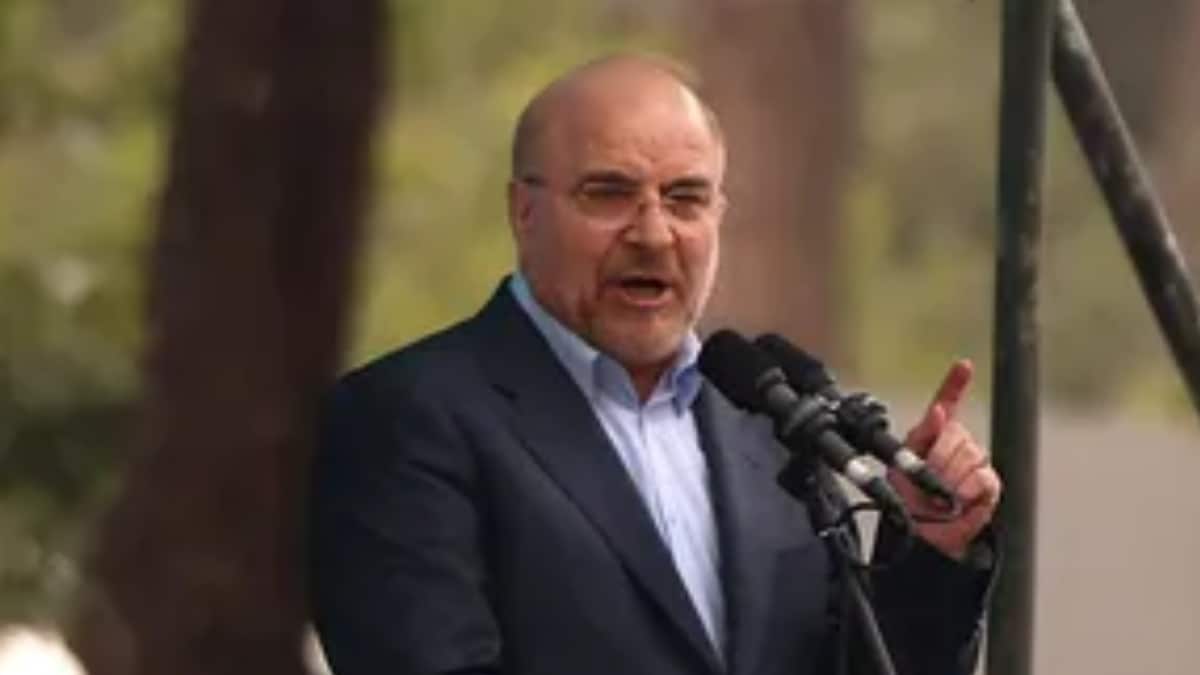
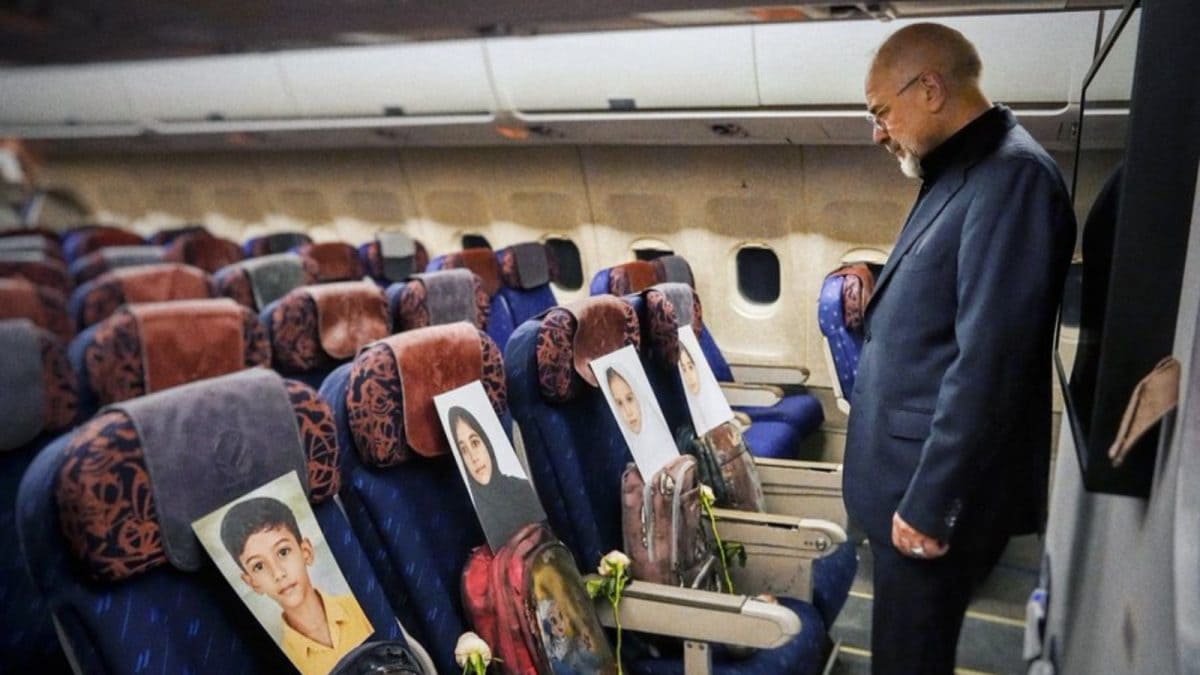
Honestly, when I first saw the picture that was buzzing on social media, I thought it was some sort of art installation. But no – it was Iran’s Parliament Speaker Mohammad Bagher Ghalibaf himself, seated on a commercial flight to Islamabad, and the empty seats around him weren’t empty at all. They were covered with photographs of children who lost their lives when a missile hit a girls’ school in Minab. It felt like a silent, blood‑soaked warning, and I could almost feel the weight of those tiny faces on the plane.
He even wrote a caption that read, “My companions on this flight.” In my mind, that line struck a chord because it reminded me of how we often carry our memories in our pockets – just in this case, they were spread out on the seats, visible to anyone who looked.
The deadly Minab attack in brief
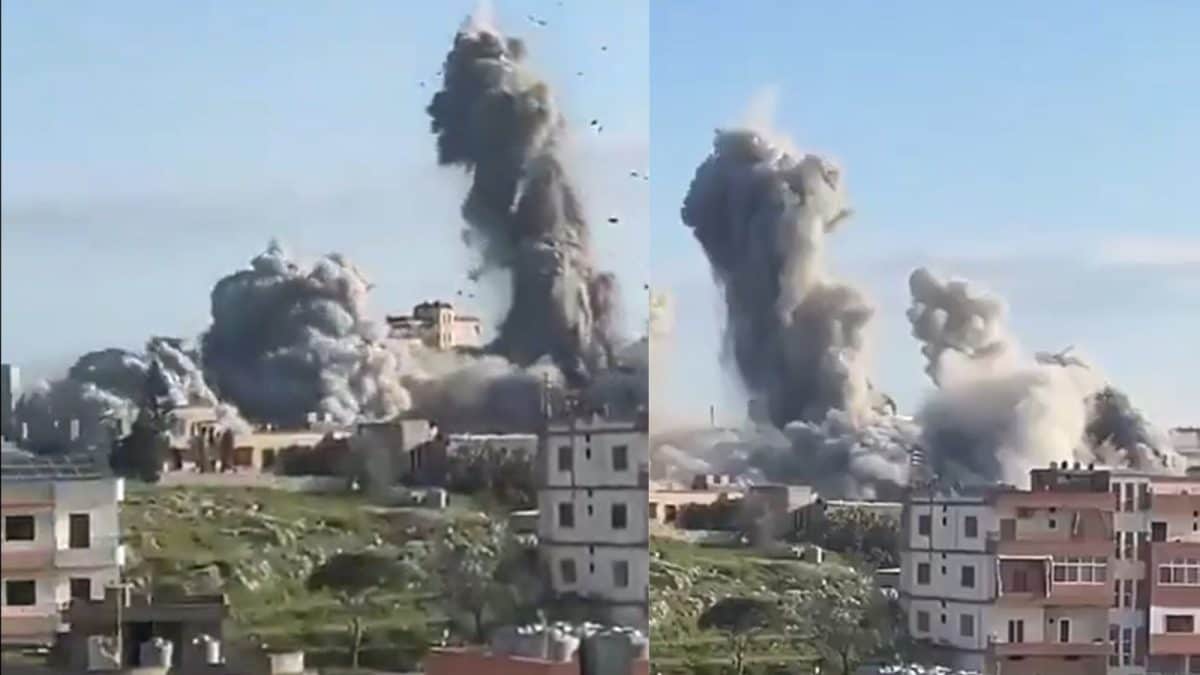
The Minab tragedy, as it’s being called, reportedly killed at least 165 people – most of them children – and injured dozens more. The missile that struck the school has been blamed by Tehran on the United States, although Washington denies any involvement. The incident has become a central talking point for Iran as it prepares for diplomatic talks in Pakistan. In the news, you’ll see the numbers repeated over and over, but the human side is what really hits home when you imagine families waiting at a bus stop in Delhi or a market in Chennai, hoping for some good news.
That attack has not just been a number on a report; it’s a very real, very painful memory for many Iranians. And now, Mohammad Bagher Ghalibaf is using his public platform to keep that memory alive as the world watches the upcoming negotiations.
How the gesture fits into Iran’s diplomatic game plan
When you look at the bigger picture, this isn’t just a personal act of mourning. It’s a calculated political move. Tehran wants the upcoming talks in Islamabad to be framed around the civilian casualties – essentially saying, “Look at what we’ve lost, and think twice before you push us into another round of violence.” In most cases, nations try to downplay their losses during negotiations, but Iran is doing the opposite: laying its grief on the table, literally.
In a short interview after landing, Mohammad Bagher Ghalibaf told reporters that Iran has “goodwill but no trust” when it comes to the United States. He repeated that line a few times – a bit of emphasis that feels natural when you’re trying to get a point across under stress. According to him, the United States has attacked Iran twice in less than a year, even while negotiations were on the go. He warned that if Washington treats the talks as just a “show” or “deception operation,” Tehran will have to rely on its own capabilities to protect its interests.
Who’s sitting at the negotiating table?
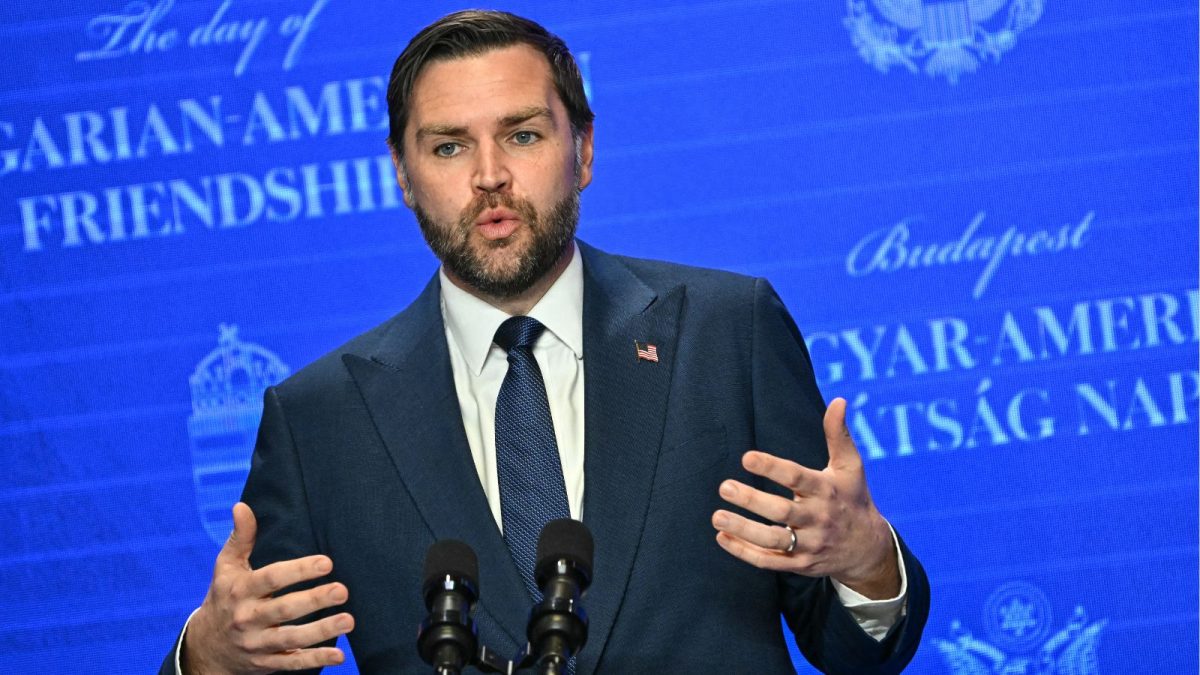
The talks in Islamabad bring together some heavy hitters. From the Iranian side, you have the speaker Mohammad Bagher Ghalibaf and Foreign Minister Abbas Araghchi. On the American side, the delegation includes Vice‑President JD Vance, senior White House envoy Steve Witkoff, and former adviser Jared Kushner – yes, the same Kushner who was in the news a lot during the last administration.
These are not just any diplomats; they’re people who have been involved in the regional security discussions for months, if not years. The agenda is expected to focus on three big things – Iran’s nuclear programme, lifting the Strait of Hormuz blockade that’s been hurting shipping routes (think about the oil tankers that line up like traffic on a highway), and finally a broader framework to end the war that has already claimed thousands of lives.
What the talks mean for the common people
Imagine you’re a shopkeeper in Mumbai, and the price of diesel suddenly spikes because of a conflict in the Middle East. That’s the ripple effect of these diplomatic moves. If the talks succeed, we could see a stabilisation of oil prices, less uncertainty for shipping companies that ply the Arabian Sea, and perhaps a reduction in the number of missile alerts we hear on the news every few days.
For the families of the Minab victims, a successful cease‑fire would be a tiny bit of solace – a sign that the world is finally listening. But the photographs on the airplane seats also send a message that Iran is not willing to forget, and that any aGreement must address the humanitarian cost, not just the strategic calculations.
The wider regional context
Since the February 28 strikes by the United States and Israel, the region has been a tinderbox. The Minab school strike is just one of the many flashpoints. Over the past weeks, we’ve seen ports in the Persian Gulf shut down, drone attacks on oil facilities, and a general sense that any misstep could ignite a larger conflict.
In most cases, diplomatic channels are the only safe way out. That’s why Islamabad is acting as a neutral ground; it’s fairly central, and both sides hope that a neutral location can lower the temperature of the talks.
How the media in Iran presented the gesture
The state media in Iran ran the photo of Mohammad Bagher Ghalibaf with the children’s photos front‑and‑center. Headlines were full of words like “companions” and “memorial.” It felt a bit like watching a Bollywood trailer where the hero is shown walking through a crowd holding a symbolic object – the symbolism is heavy, and it’s meant to stick in viewers’ minds.
Even overseas, news outlets picked up the story, adding their own spin. Some called it a “silent protest,” others a “visual reminder.” Whatever you call it, the image sparked conversations on social platforms, with many users sharing their thoughts about how politicians can use personal grief in diplomatic talks.
Possible outcomes and what to watch for
Right now, nobody can say for sure how the talks will end. But a few scenarios are likely. If the US acknowledges any role in the Minab attack, it could pave the way for a trust‑building step, however small. If Tehran feels the US is only pretending to negotiate, it might continue to push for more security guarantees before signing any deals.
In most cases, we’ll hear a lot of “preliminary aGreements” or “confidence‑building measures.” Keep an eye on any language about humanitarian aid or compensation for civilian victims – that would be a direct link back to the photographs Mohammad Bagher Ghalibaf showed on the plane.
Personal reflections – why this matters to me
Honestly, reading about this whole episode reminded me of the time my cousin lost his younger sister in a road accident. He kept a photo of her on his desk, and whenever we visited, that picture reminded us of the fragility of life. In the same way, the images on the airplane seats remind the world that behind every political headline are real families, real children, real loss.
So, when I see a politician using such a personal, emotional display, it feels a bit like a friend sharing a painful story at a tea stall – raw, unpolished, and impossible to ignore.