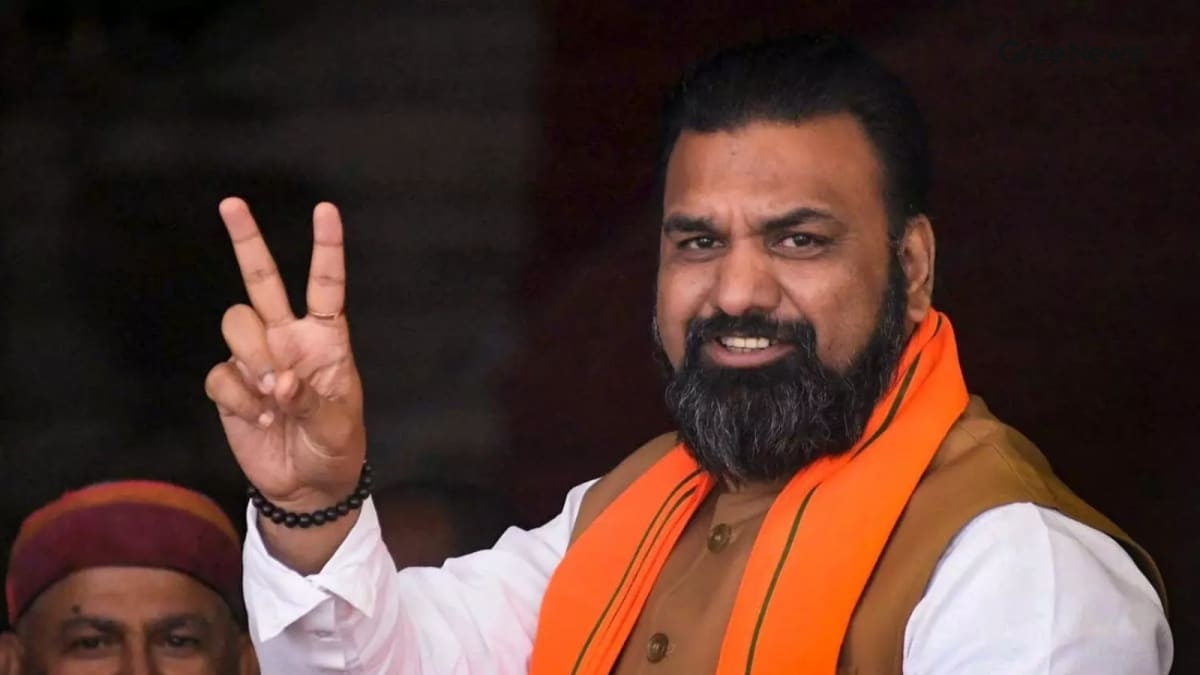
Why Samrat Choudhary Is Being Talked About Across the Nation
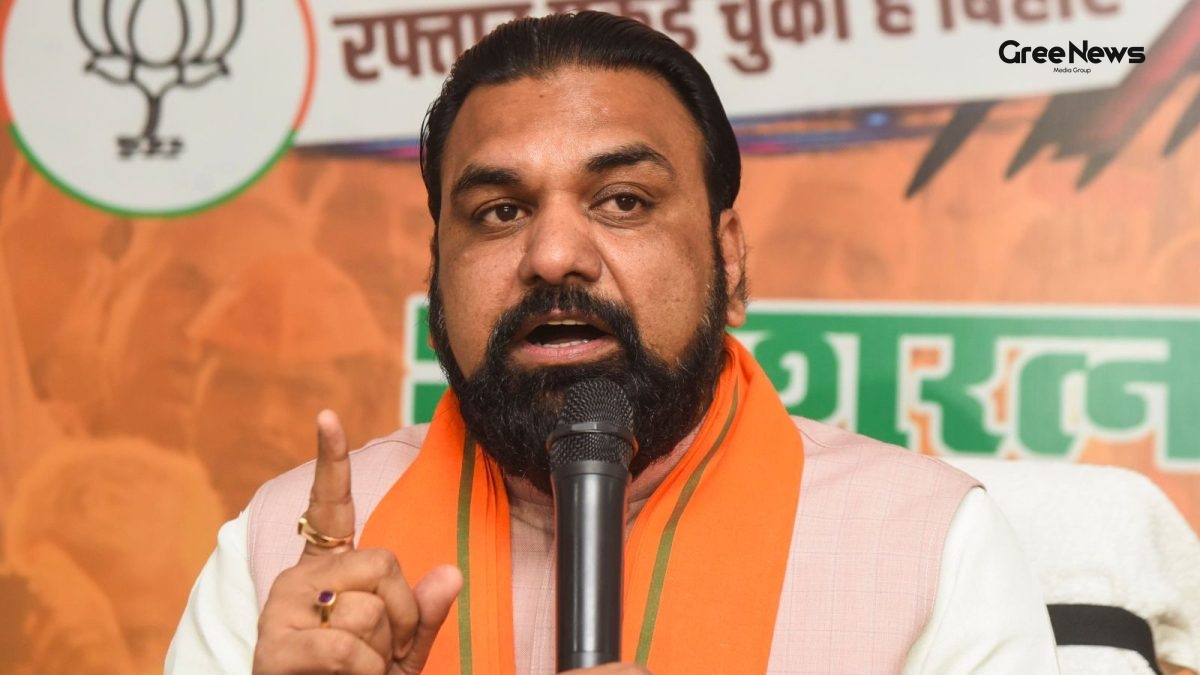
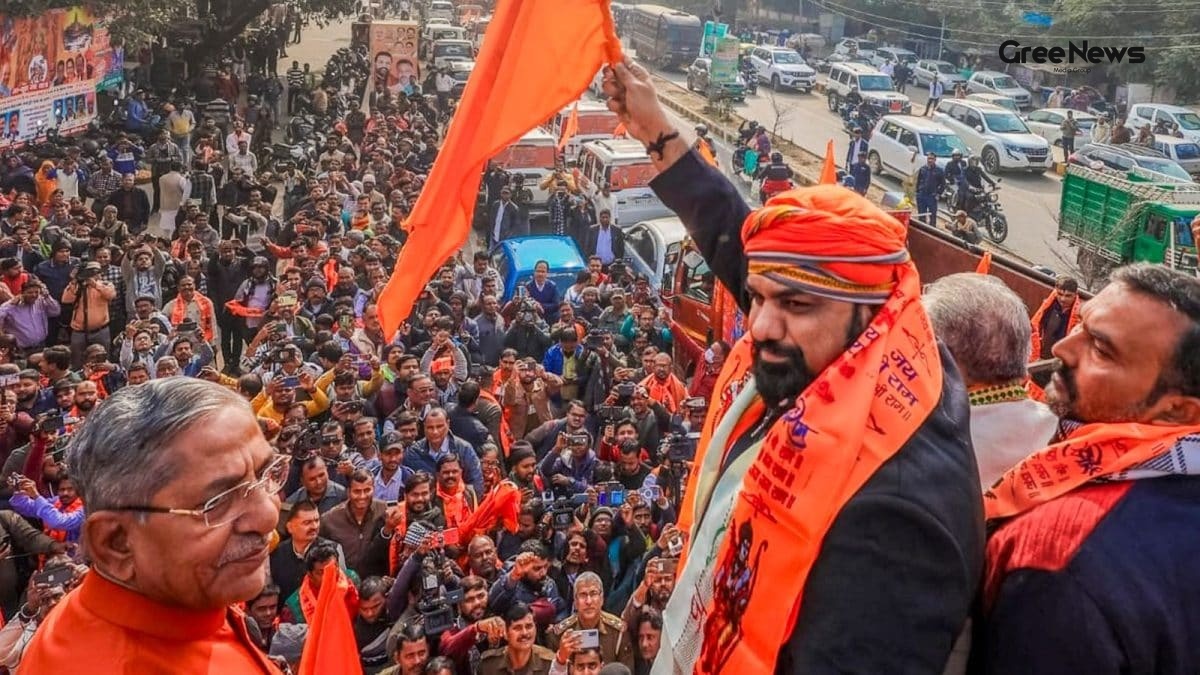
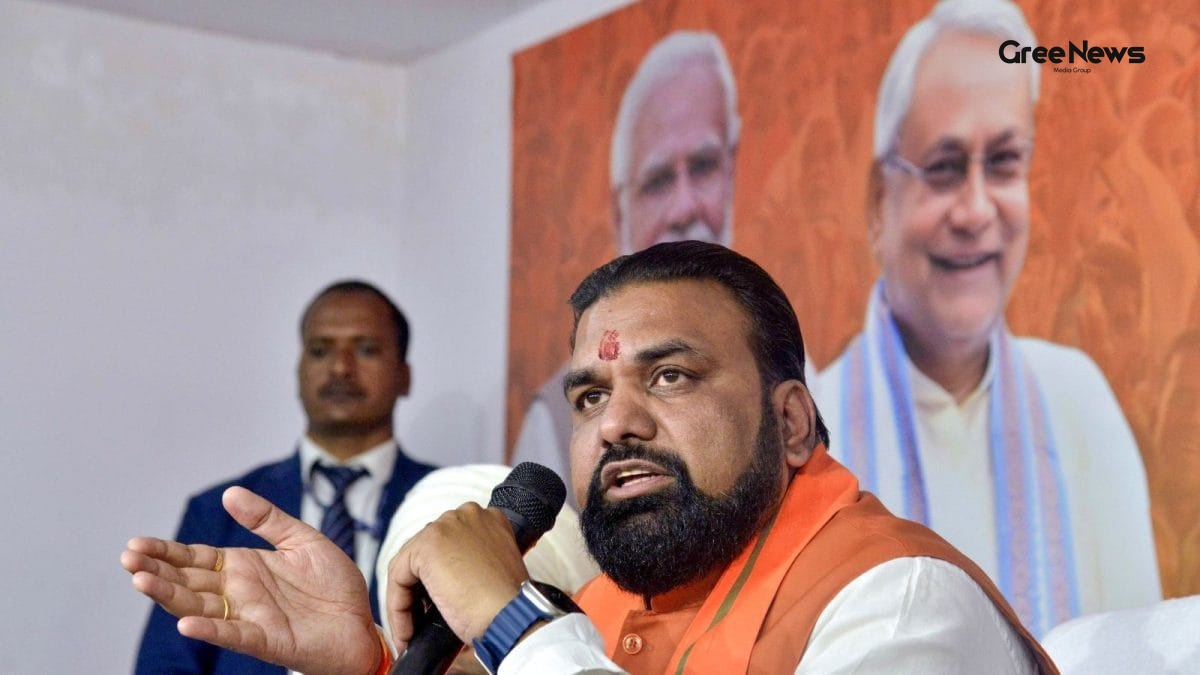
Let me tell you, the political scene in Bihar has taken a turn that even senior journalists are calling breaking news. After the sudden resignation of the long‑standing chief minister, the BJP’s deputy chief minister and state party president, Samrat Choudhary, has emerged as the definitive choice to head the NDA government. This isn’t just another cabinet reshuffle; it’s the first time the saffron party will have its own chief minister in the state. If you follow trending news India, you’ve probably seen countless memes and tweets about his iconic saffron turban that he sported for almost two years. That turban was more than a fashion statement it symbolised his promise to unseat the previous chief minister. The moment he offered that turban to Lord Ram during a special ceremony at Hanuman Garhi, many of us thought something big was about to happen. And indeed, what happened next is interesting: he switched to a simple haircut, signalling a shift from being a firebrand to a seasoned administrator.
In most cases, the BJP has been playing the second fiddle to the Janata Dal (United) in Bihar, but now the party is taking the driver’s seat. If you scroll through the latest news India feeds, you’ll see the term “first BJP chief minister of Bihar” popping up everywhere it’s become a viral news tag that’s hard to miss. This historic moment is not just about one man; it reflects a broader strategy to bring the Kushwaha (Koeri) community, which forms a sizeable chunk of the state’s OBC electorate, into the limelight.
Who Is Samrat Choudhary? A Quick Walk Through His Political Life
Samrat Choudhary was born in Munger in the late 1960s into a family that practically lives and breathes politics. His father, Shakuni Choudhary, was a seven‑time MLA and one of the founding members of the Samata Party. Growing up, Samrat used to accompany his dad to village rallies, watch the crowd’s reaction, and learn the art of street‑level politics. That early exposure gave him a head start when he entered the political arena.
He first cut his teeth in the Rashtriya Janata Dal under Lalu Prasad Yadav’s wing, snagging the agriculture ministry in the Rabri Devi cabinet when he was still in his early thirties. Imagine a young man from a modest background suddenly becoming the state’s agriculture minister that was a big deal for the local community and made his name appear in the breaking news sections of regional papers.
What’s fascinating is his pragmatic versatility. After serving under the RJD, he later switched to the Janata Dal (United) and held portfolios in the Jitan Ram Manjhi and Nitish Kumar governments. It wasn’t until about 2018 that he formally joined the BJP. Within a few short years, he moved from being the state unit’s vice‑president to the leader of the opposition in the legislative council, and finally to the state president. That rapid climb made his name a staple in the India updates feeds, especially when he started spearheading the party’s aggressive stance against the Mahagathbandhan.
In essence, Samrat Choudhary’s background is a blend of grassroots activism, ministerial experience, and strategic party work a mix that many political analysts say prepares him well for the chief minister’s office.
Why This Appointment Is a Milestone in Bihar’s Political History
For decades, the BJP’s role in Bihar was akin to a supporting actor critical, but never the lead. The party leaned heavily on Nitish Kumar’s “Luv‑Kush” alliance, a coalition of the Kurmi and Koeri communities, to keep its foothold. By choosing Samrat Choudhary, who belongs to the Kushwaha (Koeri) community, the BJP is essentially saying, “We are ready to lead the OBC vote ourselves.” This is a big shift because the Koeri community makes up close to eight percent of Bihar’s electorate a voting bloc that can swing any election.
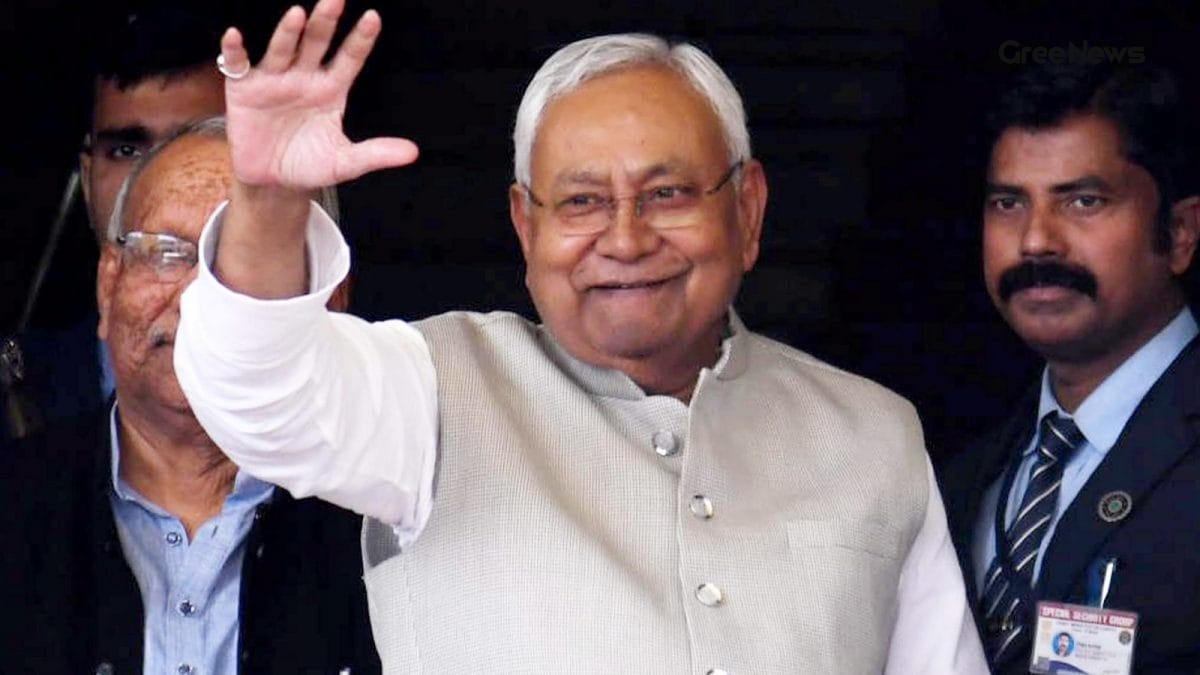
The move also symbolises the end of the “Nitish era.” With Nitish Kumar moving to the Rajya Sabha, the power dynamics in Patna are undergoing a seismic change. If you check the trending news India sections on social platforms, you’ll find countless discussions about how the BJP is finally “taking the driver’s seat.” The fact that Samrat Choudhary has recently handled both the home and finance ministries adds a layer of credibility he’s not just a symbolic figurehead; he knows the nuts and bolts of governance.
In short, his expected swearing‑in marks a historic moment that could reshape Bihar’s political map for years to come.
Immediate Challenges Awaiting the New Chief Minister
Now, let’s talk about the real test ahead. Being a chief minister isn’t just about hoisting a flag; it’s about delivering on promises that people discuss over chai. The first challenge is managing the transition that many voters find jarring. Samrat Choudhary has long been a vocal critic of the RJD’s so‑called “Jungle Raj,” but now he has to walk the fine line between continuing the development push of the “Bihar Model” and carving out a distinct BJP identity for the upcoming electoral cycle.
One of the most pressing issues is migration. Every time you’re on a train heading north, you see a sea of Bihari faces hoping for better opportunities. The new chief minister will have to address not just the economic reasons behind this exodus but also the social stigma attached to it. Unemployment, especially among the youth, is another hot button you’ll find it trending in the latest news India feeds whenever a new job portal launches.
There’s also the long‑standing demand for Special Category Status for Bihar, a demand that has caused friction between the previous chief minister and the Centre. How Samrat Choudhary navigates this tug‑of‑war will be closely watched, especially by the central leadership.
Within the NDA coalition, the dynamics are delicate. Nitish Kumar’s son, Nishant Kumar, is emerging as a potential bridge for JD(U) loyalists who might feel uneasy about the shift in power. Balancing these intra‑alliance politics while ensuring the BJP’s own agenda doesn’t get diluted will test his diplomatic skills.
All these challenges mean that the expectations are sky‑high. The public isn’t just looking for another politician; they want a leader who can bring a “Saffron Revolution” that translates into tangible growth double‑engine development, better roads, reliable electricity, and quality education. If he pulls it off, the story will likely become the next viral news piece that everyone across the country talks about.
Public Reaction: What People Are Saying on the Streets
Walking down the lanes of Patna or a small village market in Gaya, you’ll hear a mix of excitement and skepticism. Some locals recall the day Samrat Choudhary first removed his turban and say, “It felt like a new chapter for our state.” Others, especially the youth who have been part of anti‑corruption protests, wonder whether his past alliance with multiple parties will affect his stance on transparency.
In tea stalls across the state, the conversation often drifts to how the new chief minister will handle the infamous “Paan” tax, a small levy that many feel hurts small traders. A vendor in Muzaffarpur joked, “If he can fix the tax on paan, maybe he can fix our potholes too!” Such anecdotes, while light‑hearted, capture the everyday concerns that will shape his early days in office.
Social media, of course, amplifies these sentiments. Hashtags like #SamratCM, #BiharSaffronTurn, and #NewEraBihar are trending, showing that the public is actively engaging with the development narrative.
Looking Ahead: What Could the Next Few Months Look Like?
If you ask any political analyst, they’ll tell you that the first 100 days are crucial for any chief minister. For Samrat Choudhary, it could mean a flurry of announcements perhaps a new roadmap for rural electrification, a special task force to curb out‑migration, and a push for more scholarships for students wanting to study abroad.
There’s also speculation about the BJP’s plan to roll out a state‑wide digital governance platform, a project that could make public services more accessible. If such initiatives succeed, they could cement his image as a modern, tech‑savvy leader a narrative that fits well with the latest news India focus on digital transformation.
On the opposition front, the RJD is likely to regroup and try to highlight any missteps. The political duel will intensify as the next state assembly elections approach, making every policy decision a potential campaign issue.
All in all, while the road ahead is laden with challenges, Samrat Choudhary’s journey from a turban‑clad activist to the chief ministerial throne has already captured the imagination of millions. Whether he can turn that curiosity into lasting change will be the story that defines Bihar’s next chapter.