With SCs and STs accounting for nearly 21 per cent of votes throughout the state, it is a sizeable bloc every party wants to capture
Honestly, the first time I realized how much political weight Ambedkar Jayanti carries was when I was standing in a small chawl in Kanpur on the morning of April 14. The air was already buzzing with chants and slogans, and there was a line of red‑and‑white flags being unfurled in front of a freshly painted statue of Dr. Ambedkar. It struck me that this wasn’t just a religious or cultural observance – it was like a massive rally where all the major parties were trying to get a foot in the door of the Dalit community, which, as the numbers tell us, makes up about 21 per cent of Uttar Pradesh’s electorate.
That day, I saw the BJP’s flag fluttering beside a banner that read ‘Beautify Ambedkar’s Legacy – A Promise for Every Assembly Segment’. Across the street, a SP volunteer was handing out pamphlets about the party’s PDA (Pichda, Dalit, Alpsankhyak) platform, and a few kilometres away a BSP banner announced a gathering of over two lakh workers at Ambedkar Park in Lucknow. Even the Congress office on the same lane had a modest hoarding saying ‘Remember Ambedkar, Vote for Change’. All these visual cues made it crystal clear: Ambedkar’s birth anniversary has turned into the unofficial launchpad for the 2027 election cycle in the state.
Why the BJP is turning statues into political statements
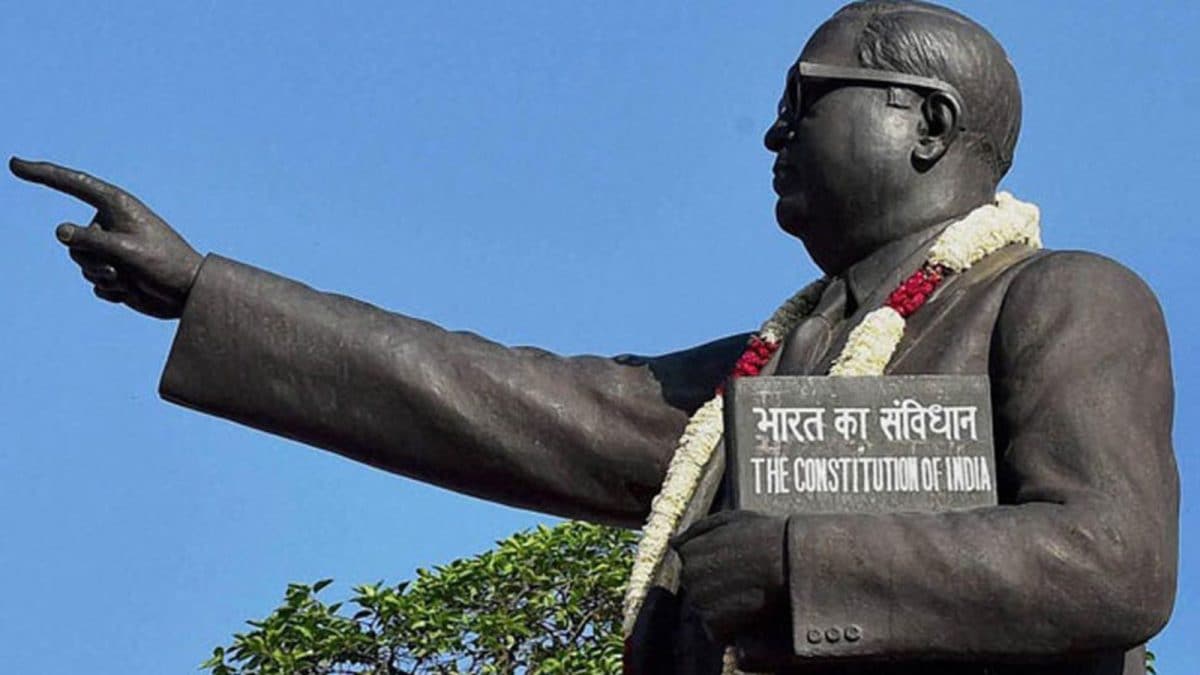
When I visited one such site in Varanasi, the workers were using bright red paint to highlight Ambedkar’s hands, and a local BJP leader stood there, saying that this was a sign of “respect for the architect of our Constitution”. The leader also promised that the party would keep organising similar events till the 2027 assembly polls, hoping that the repeated exposure would translate into votes. In my opinion, this is a classic case of political parties using cultural symbols to create an emotional connect, especially when the community in question makes up a large voting bloc.
It’s not just about the statues, though. The BJP has also been quick to claim that the “beautification” will happen in a “transparent” manner, pushing narratives about good governance and development. For a lot of people in my neighborhood, this sounds promising – after all, a well‑maintained public space is something we can all enjoy. But a few of my friends, especially those from Dalit backgrounds, wonder whether the effort will actually translate into policy changes that matter for their daily lives.
Samajwadi Party’s PDA push – trying to win back the Dalit heartland
The Samajwadi Party (SP) has been clever about riding the wave of Ambedkar Jayanti. Their PDA platform – which stands for Pichda, Dalit, Alpsankhyak – has been their way of saying, “We see you, we hear you, and we will fight for you”. When I attended a small SP gathering in a village near Aligarh, the local Kar‑Sargam (party worker) was explaining how the party wants to combine the OBC, Dalit, and minority votes into one big force. He was quoting Akhilesh Yadav’s speech from a few months back, where the chief ministerial candidate talked about “building a bridge between the historically disadvantaged sections of society”.
What I found interesting was how the SP is not just focusing on speeches. They are also organising cultural programmes on the same day – folk songs about Ambedkar’s life, street plays on the importance of social justice, and even local sports events. It feels like they are trying to embed themselves in the community’s daily rhythm, not just during election season.
Their efforts seemed to bear fruit in the 2024 parliamentary polls, where the SP‑Congress alliance managed to win a solid 44 out of 80 seats in Uttar Pradesh. Many analysts say that the consolidation of OBC, Dalit, and minority votes was a key factor. While the SP’s PDA is still a relatively new branding, it’s already being talked about in tea stalls across Lucknow, where the regular lunch‑break chat inevitably drifts to politics.
BSP’s grand gathering – a reminder of its Dalit roots
Mayawati’s Bahujan Samaj Party (BSP) has a long history of mobilising the Dalit vote, especially the Jatav community. This year, they announced a massive workers’ meeting at Ambedkar Park in the state capital, expecting more than two lakh people to turn up. I was there, standing in a long queue with a few of my cousins, and I could see the fervour in people’s eyes – many of them holding placards that said ‘Mayawati ke liye’. The atmosphere was electric, but there was also a sense that BSP’s days of sweeping victories might be behind them.
In the 2024 Lok Sabha elections, the BSP failed to win a single seat, and in the 2022 assembly polls, they secured only one seat. Yet, the Jatav vote bank remains loyal to Mayawati, at least in spirit. When she stepped onto the stage at the park, she talked about “honouring Dr. Ambedkar’s vision for a just society”. The crowd cheered, and for a moment, you could hear the echo of past victories reverberating through the venue.
What struck me was the juxtaposition of nostalgia and desperation. The party is still trying to remind people of its contribution to Dalit politics, while simultaneously trying to reinvent itself for a new generation that might be looking for fresh promises rather than past glory.
Congress’ quiet but steady presence
While the BJP, SP, and BSP were all out with fanfare, the Indian National Congress took a relatively low‑key approach. In most district offices across Uttar Pradesh, I noticed small meetings being held on Ambedkar Jayanti, with senior leaders delivering brief speeches about the party’s commitment to social justice. In places like Gorakhpur and Allahabad, the Congress workers handed out pamphlets that highlighted Dr. Ambedkar’s role in drafting the Constitution and promised to address land‑ownership issues that still affect many Dalit families.
From my perspective, the Congress seems to be playing the long game – staying present but not over‑promising. Their approach may not grab headlines, but for many voters who are disillusioned with the more flamboyant campaigns, this steadiness could be a breath of fresh air.
Shifting voting patterns – a three‑party tug‑of‑war
Historically, the BSP dominated the Dalit vote bank in Uttar Pradesh. Mayawati’s charismatic leadership and her focus on Dalit empowerment ensured that, for many years, the party could count on a solid base. However, the 2014 Lok Sabha wave and the subsequent 2017 Uttar Pradesh assembly elections saw the BJP pulling a sizable chunk of that support. The party’s narrative of “development for all” and its outreach programmes in rural Dalit areas made a noticeable dent.
Following that, the Samajwadi Party entered the fray with a new strategy, targeting the same Dalit sections but also weaving them into a broader OBC‑Dalit‑minority alliance. Their surprise performance in the 2024 parliamentary polls – where the SP‑Congress alliance won 44 seats – showed that the Dalit vote is no longer a monolith. It can swing based on how well parties address local grievances, like access to clean water, education, and job opportunities.
From the ground, I’ve seen families debating over dinner about which party is doing more for their community. Some say the BJP’s promises of sanitation and roads are tangible, while others argue that the SP’s focus on reservation and social equity resonates more with their aspirations. The BSP, despite its reduced electoral haul, still enjoys a deep-rooted respect among certain segments of the Dalit community.
Looking ahead to the 2027 assembly elections
All these moves on Ambedkar Jayanti are really a pre‑emptive sprint towards the 2027 Uttar Pradesh assembly polls. Every party wants to cement its connection with the Dalit community early, so that when the actual election season kicks in, the groundwork is already laid. The BJP’s ongoing statue‑beautification programme, the SP’s PDA outreach, the BSP’s massive gathering, and even the Congress’s modest meetings are all part of a larger strategy to win over that 21‑per‑cent voting bloc.
For me, living in a small town in the heart of the state, the impact of these political maneuvers is visible every day. The new lamps erected near a renovated Ambedkar statue in my village not only light up the night but also serve as a reminder that parties are watching us closely. It’s a subtle, almost psychological form of campaigning – the more we see our icons respected, the more we may feel inclined to consider the party behind it.
But there’s also a cautionary note. While these gestures look good on the surface, many of us still face everyday issues – like irregular electricity, lack of quality schools, and limited employment opportunities. If the parties don’t translate the symbolism into concrete policies, the initial enthusiasm could quickly fade.
Personal reflections – why Ambedkar Jayanti matters to me
Honestly, my own relationship with Ambedkar Jayanti started as a child’s curiosity – the school would organise a small event, we’d sing a song, and then there’d be a short talk about the Indian Constitution. Over the years, as I grew up and started paying attention to politics, I realised that the day had taken on a whole new meaning. It’s no longer just a commemorative event; it’s a litmus test for how seriously parties treat Dalit concerns.
When I walked past a freshly painted statue of Dr. Ambedkar in Lucknow last year, I remembered how the spot used to be covered in graffiti and dust. The transformation felt symbolic – a sign that the state (and by extension, the ruling party) cared enough to invest in preserving the legacy. But I also thought about my aunt, who works as a teacher in a government school. She often tells me that unless the promises translate into better salaries and infrastructure, the celebration feels hollow.
Later, while having chai with a group of friends in a roadside dhaba, we argued about whether the BJP’s beautification plans were genuine or just a political stunt. One friend, a SP supporter, argued that the party’s PDA platform offered a “real” connection, while another, a BSP loyalist, insisted that Mayawati’s legacy still mattered the most. The conversation went on, and I realised that these political debates are now as much a part of Ambedkar Jayanti as the speeches at the park.
The bigger picture – why the 21 per cent matters
When we talk numbers, 21 per cent may sound like just another slice of the electorate, but in a state as massive as Uttar Pradesh, it translates to millions of votes. That’s why every party is willing to spend lakhs – or even crores – on campaigning, roadshows, and symbolic gestures. In most cases, the Dalit vote can be the swing factor that decides whether a coalition wins or loses.
Take the 2024 parliamentary elections as an example. The SP‑Congress alliance managed to win 44 seats largely because they managed to bring together OBC, Dalit, and minority voters. Without that cohesion, the BJP could have potentially taken a few more seats. It shows that the Dalit community isn’t just a static bloc; it’s a dynamic force that can shift based on how parties engage with it.
In my own observations, the key to winning this bloc seems to be a mix of genuine outreach – like the SP’s PDA activities at the village level – and visible gestures, such as the BJP’s statue‑renovation. The BSP, despite its reduced vote share, still commands respect through its historic association with Dalit empowerment.
Conclusion – a day that’s more than just a celebration
So, when Ambedkar Jayanti rolls around each year, it’s not just a day to remember a great leader; it’s the opening act of a long political marathon that will culminate in the 2027 Uttar Pradesh assembly elections. The 21‑per‑cent Dalit‑ST vote is the prize that every party is scrambling for, using everything from statue beautification to grassroots outreach programs.
From my personal experience, the day feels like a mirror reflecting how parties choose to engage with the community – whether through genuine development promises or symbolic gestures that might fade away after the next election. As voters, we watch these tactics closely, hoping that the promises made on Ambedkar’s birthday will turn into real change for our families, our villages, and our state.
Only time will tell which party’s strategy will truly resonate with the Dalit community. Until then, every statue, every rally, and every pamphlet distributed on April 14 adds another stitch to the larger tapestry of Uttar Pradesh’s political future.