How I Came Across Noor Inayat Khan’s Story
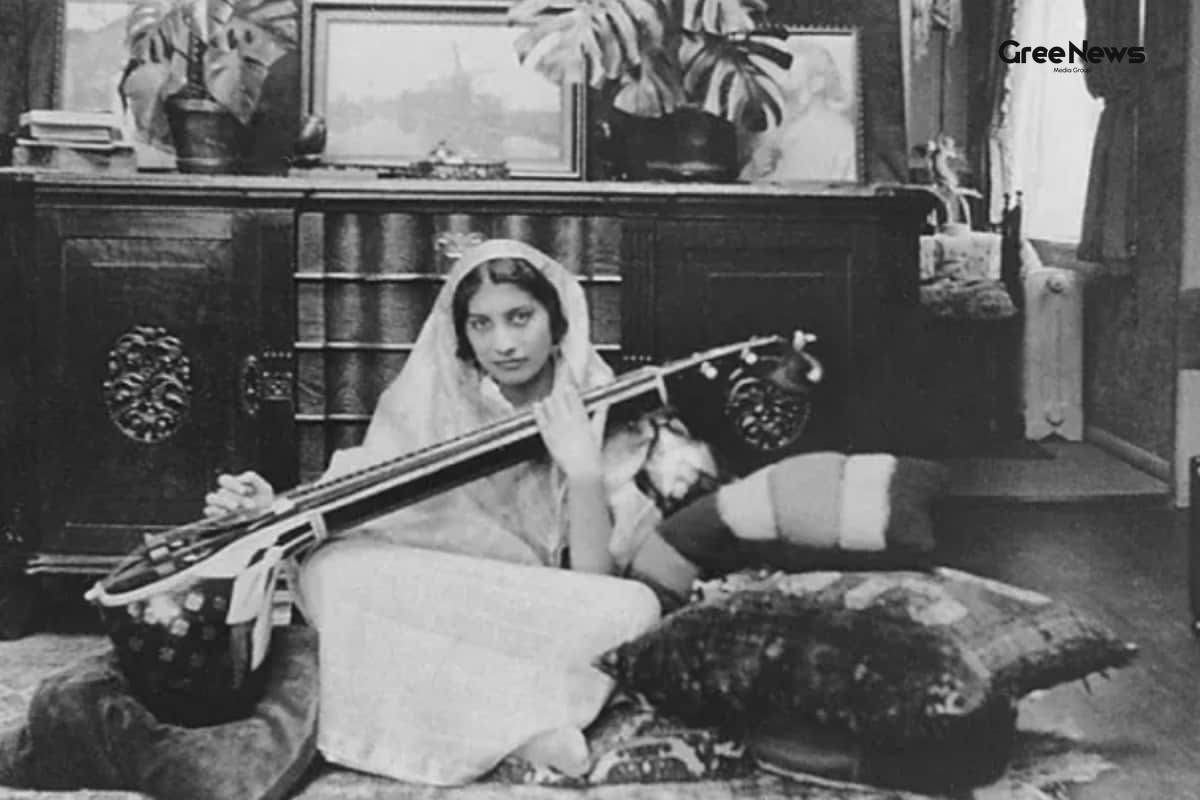
Honestly, it was just another lazy evening at home, scrolling through the social‑media feed that’s always buzzing with the latest news India. A short video popped up it was titled something like “Incredible Indian heroine who fought Nazis”. I clicked, and there she was, Noor Inayat Khan, the great‑granddaughter of Tipu Sultan. At first, I thought it might be another click‑bait post, you know? But then the voice‑over started talking about her language skills and that she was picked by a secret British organisation. That caught my attention because we don’t often hear about Indian women in the spy world, especially those linked to our own historic royalty.
What happened next is interesting I felt a sudden urge to dig deeper. I typed her name into the search bar and found a handful of articles, a few clips, and even a snippet that called her a member of the Special Operations Executive, or SOE for short. That’s the agency that sent agents into Nazi‑occupied Europe, a phrase that instantly made my mind picture wartime Europe, hidden radios, and perilous missions. It felt like a piece of breaking news that had somehow slipped under the radar of mainstream Indian media.
What Makes Her Story So Captivating?
First, there’s the family link. Tipu Sultan, the Tiger of Mysore, is a name that still echoes in our schools, history books, and family gatherings. To think his great‑granddaughter chose a path that was worlds apart from the battlefield of South India was, frankly, mind‑blowing. It’s not every day you hear about an Indian woman, especially one with such a regal lineage, stepping into a dangerous spy network in Europe. I could feel the adrenaline rush just thinking about the contrast from the bustling lanes of Mysore to the secret alleys of occupied France.
Another thing that hooked me was the mention of her language skills. In most talks about WWII spies, you hear about coded messages, encrypted radios, and the like. But here, it was simply said that her talent with languages and the training she received made the SOE take notice. That struck a chord with me because, growing up, I always heard my grandparents talk about how important English and Urdu were in my household. It made me wonder: what if I had the chance to use my own language skills for something bigger? That curiosity is what kept me reading, and it’s probably why many people were surprised by her daring choice.
In most cases, the SOE was a hidden hand in the war, operating covertly. The fact that they specifically recruited Noor because of her abilities hinted at how serious they were about finding the right people. It also showed a side of history we rarely discuss in India the quiet, behind‑the‑scenes contributions that never make the front‑page headlines, yet are just as vital.
My Personal Reflection on Her Decision
When I think about stepping into a dangerous spy network, I can’t help but compare it to the everyday risks we take in India like travelling late at night on a crowded train, or navigating a crowded market when a sudden rainstorm hits. Those moments feel precarious, but they’re part of life. Noor’s choice, however, was on a whole different level. She was leaving the familiarity of her home, possibly the comfort of an Indian family, to walk into the heart of a war zone where every step could be fatal.
What caught people’s attention, and what genuinely made me pause, was the sheer bravery involved. I remember chatting with a friend over chai, and we both admitted that we never imagined an Indian woman, especially from a lineage like Tipu Sultan’s, would be involved in such a high‑risk operation. It felt like a piece of trending news India that sparked a serious conversation among us about courage, identity, and the choices we make.
In my own life, I’ve faced choices that felt risky moving to a new city for a job, or starting a side hustle while studying. While none of those match the danger Noor faced, the underlying theme of stepping out of comfort zones is common. It made me respect her even more, because she turned that ordinary courage into something extraordinary, a story that now circulates as viral news across social networks.
The Role of the Special Operations Executive (SOE)
The SOE, as I learned, was a secret British organisation that operated in the shadows, sending agents into enemy‑held territories. Their mission was essentially to disrupt the Nazi regime, gather intelligence, and support resistance movements. It’s kind of like the Indian espionage agencies we hear about today, but back then it was all cloaked in secrecy. The fact that the SOE found Noor’s language abilities and training valuable enough to bring her on board shows the weight they placed on multilingual talent.
Actually, the mention of the SOE reminded me of the movies we watch during festivals, where a lone hero infiltrates the enemy camp. But in reality, this was a group effort, and Noor was one piece of that puzzle. Many people were surprised by the fact that an Indian, and a woman at that, could be part of such a network, which is why the story kept resurfacing on various platforms. It became a discussion point in online forums, especially among those following breaking news and India updates.
In most cases, the SOE worked with locals, people who knew the language and could blend in. Noor’s skill set made her a perfect fit, and that’s probably why the British secret service reached out. It’s like when a company looks for a candidate who knows both Hindi and English fluently for a role that requires dealing with both Indian and Western clients the blend of skills is gold.
Why This Story Resonates Across India
India is a country that loves stories of heroism. Whether it’s about freedom fighters, sports legends, or the latest cricket hero, we cherish narratives that inspire us. Noor’s tale fits right into that mould but with a fresh perspective she’s not just a freedom fighter from the Indian subcontinent; she’s an Indian who fought against oppression on a global scale. That’s why her name keeps popping up in trending news India and why many of us share the story with friends over chai.
The fact that she is the great‑granddaughter of Tipu Sultan adds a layer of cultural pride. For many Indians, Tipu Sultan represents resistance against colonial forces. Seeing his lineage continue that spirit, albeit in a different theatre of war, gives a sense of continuity. It’s like seeing a family heirloom being passed down, but instead of a sword, it’s bravery and a sense of duty.
Ultimately, the story became viral news not because of sensationalism, but because it connects different threads of our heritage language, history, and the fight against tyranny. When I told my cousins about it, they were all ears, and we ended up discussing how language can be a powerful tool, sometimes even more so than weapons.
What I Take Away From Her Journey
Beyond the historical facts, the piece left me with a personal lesson: never underestimate the power of your own talents. Whether you’re good at languages, cooking, or even solving maths problems, those skills might one day become essential in a context you never imagined.
Also, it reminded me of the importance of staying curious. I started reading about Noor just because a short video caught my eye. That simple act of following curiosity led me to discover a remarkable slice of history that I would have otherwise missed. In a world overflowing with information, picking the right story to follow can be a game‑changer.
Lastly, there’s a certain comfort in knowing that, even in the darkest times, individuals from our own country stepped up to make a difference. That feeling, that spark of pride, is what keeps many of us motivated in our daily hustle be it in Mumbai’s streets, Delhi’s markets, or a small town in Kerala.
Conclusion: A Legacy Worth Remembering
So, when you hear about Noor Inayat Khan, remember she was not just a name in a textbook. She was a real person, a great‑granddaughter of Tipu Sultan, who used her language skills and training to join a secret British network that sent agents into Nazi‑occupied Europe. Her story is a blend of courage, heritage, and the power of language a story that fits perfectly into the genre of breaking news, trending news India, and viral news nowadays.
If you ever get a chance to read more about her, or even watch a documentary, I urge you to do so. It’s not just about the past; it’s about how those past choices continue to inspire our present. That’s the kind of narrative that keeps us scrolling, keeps us discussing, and most importantly, keeps us learning.
And hey, next time you see a headline about a historic figure, ask yourself: what hidden talents might they have had? Who knows, you might discover another story that will become the next talking point in your friend group, just like Noor’s tale did for mine.