Honestly, when I first heard about the India‑Zambia talks on critical minerals, I was sipping chai in my kitchen and thinking, ‘Finally, some real progress on securing the raw materials we need for everything from smartphones to solar panels.’ You know, I’ve been following the latest news India gets about mining deals for a while now, and this one felt different like a real chance for both countries to benefit.
But then, what happened next was interesting. Two insiders, who asked to stay anonymous, told Reuters that the whole discussion has come to a standstill. The core issue? Lusaka hasn’t given the clear assurances on mining rights that India is looking for. In simple terms, India wants to be sure that any partnership will let it access the minerals without getting tangled in legal or bureaucratic mysteries later on.
Why Critical Minerals Matter to India (and Why We Care)
If you ask most people on the street, they might say they don’t know what ‘critical minerals’ are. I used to be the same just a tech‑savvy guy who knew my phone needed lithium, but that’s about it. Actually, these minerals are the backbone of modern tech copper for wiring, cobalt for batteries, rare earths for wind turbines and defence gear. For a country like India, which is pushing hard for renewable energy and self‑reliance in high‑tech sectors, securing a steady supply is more than a commercial goal; it’s a strategic necessity.
That’s why the trending news India outlets have been flagging any move that could lock in a reliable source. Zambia, on the other hand, sits on some massive deposits, especially in the Copperbelt region. The idea was simple: India invests, Zambians get jobs and royalties, and both walk away winners. But the devil, as they say, is in the details especially the detail of who actually holds the mining rights.
The Stalled Negotiations: What the Sources Said
According to the two sources close to the talks, the discussions have essentially ground to a halt. Their main gripe is that Lusaka has not yet offered “sufficient assurances” that the mining contracts will be iron‑clad and not subject to sudden policy shifts. In most cases, India looks for a framework that guarantees long‑term access, so that investments made today don’t become stranded assets tomorrow.
One of the sources mentioned that the Indian delegation has been patient, but also clear they want an “unambiguous commitment” on the part of Zambia. The other source added that many people were surprised by the intensity of the push for these assurances, because traditionally, Indian investors have been comfortable working under broader aGreements.
It’s worth noting that the lack of a firm commitment from Lusaka isn’t just a bureaucratic hiccup. In many African mining deals, the host country wants to keep a tight grip on its natural resources, fearing exploitation or loss of sovereign control. That tension has now become the centerpiece of the India‑Zambia dialogue.
What This Means for Both Countries
From India’s side, the delay could mean a slower build‑up of the material base required for its ambitious Green‑energy targets. Many of us following the breaking news cards have been hoping that a steady inflow of copper and cobalt would fast‑track projects like solar farms in Rajasthan or electric‑vehicle manufacturing in Gujarat. A prolonged stalemate might force Indian firms to look elsewhere perhaps to South America or even domestic projects that are still in the early stages.
For Zambia, the situation is a double‑edged sword. On one hand, they stand to gain billions in foreign investment, technology transfer, and job creation. On the other, without the proper safeguards, the country could end up giving away too much control over its most valuable assets.
Many observers say the outcome will set a precedent for how India engages with other African nations on strategic resources. If India backs down, it could be seen as a sign of weakness; if they push too hard, it might drive potential partners toward competing powers like China.
My Take: Watching From the Sidelines
Being a regular reader of viral news and a bit of a policy enthusiast, I’ve been keeping tabs on this story almost daily. I’ve chatted with friends in the mining sector, and they tell me that the next few weeks will be crucial. What’s fascinating is how a single clause about mining rights can hold the future of multiple industries hostage.
Personally, I think the talk about “assurances” is more than just legalese it’s about trust. India wants to trust that its investment won’t be jeopardised by a sudden change in Zambia’s mining law, while Lusaka wants to trust that India isn’t just another extract‑and‑run player. If both sides can frame that trust in clear, mutually beneficial terms, the India updates we’ll see could be huge think of a new wave of factories, better infrastructure, and maybe even a boost to the local economy in Zambia’s mining towns.
Until then, we’ll keep watching. The story is still evolving, and as any good trending news India site will tell you, the twists are what keep us hooked.
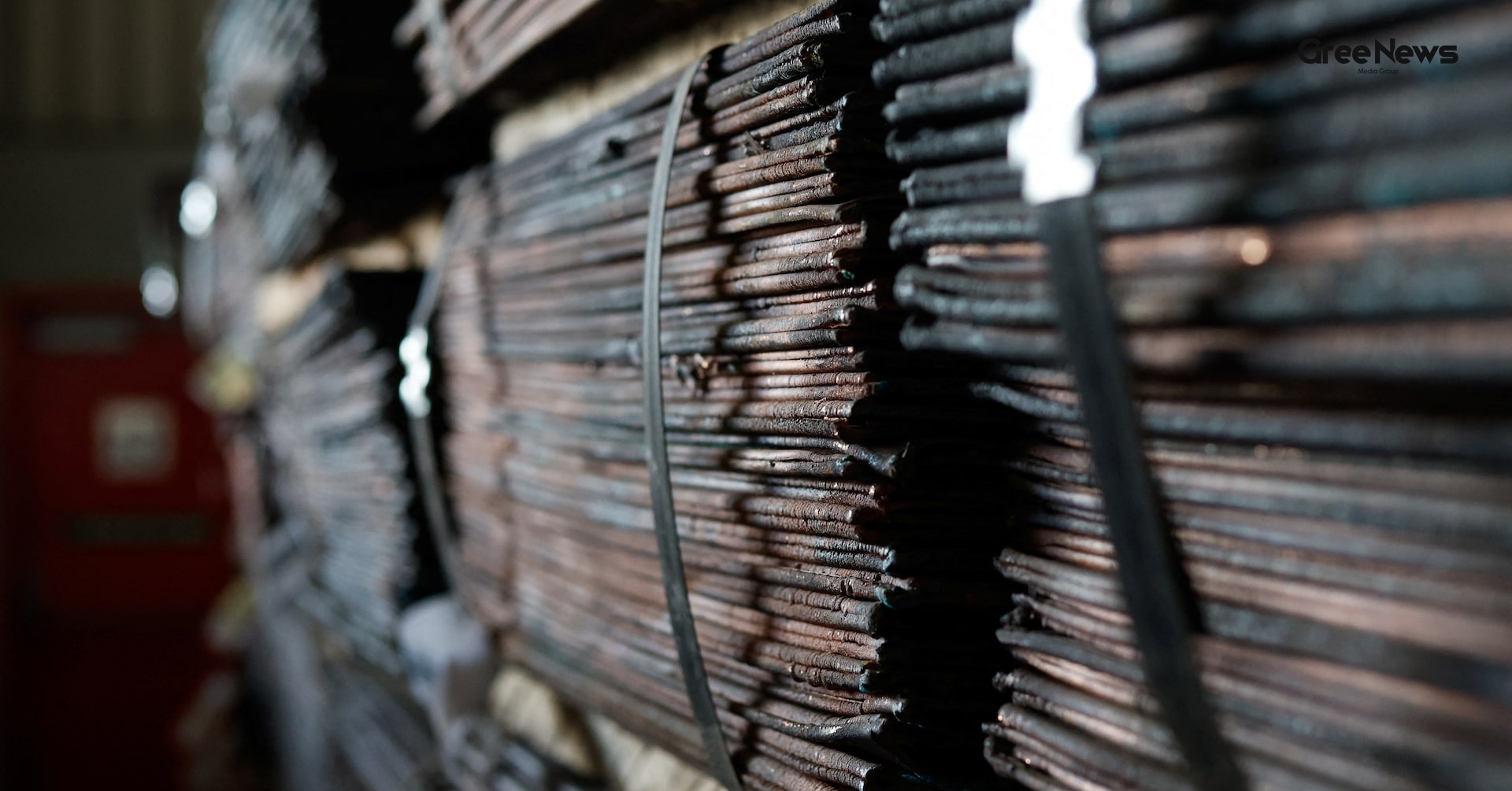
For anyone wanting to stay updated, the Gree India File newsletter sends a concise wrap‑up of such developments straight to your inbox. I’m subscribed, and honestly, it’s a handy way to keep pace with the fast‑moving latest news India landscape without feeling overloaded.