The "two weeks" deadline has become a governing instrument – a way to project decisiveness, create negotiating pressure and hold public attention.
Honestly, when I first heard about Donald Trump’s habit of shouting “two weeks” for everything, I thought it was just a quirky catch‑phrase. But over the past few months it started feeling like a whole strategy, almost like the way we Indian politicians promise fast‑track projects during elections and then stretch them out. Trump seems to love the idea of a short, crisp timeline – whether he’s talking about stopping a war, fixing health‑care or finally showing his tax returns.
What’s striking is the pattern: a bold announcement with a tight deadline, a lot of media buzz, the public holding its breath, and then – quietly – the deadline moves, gets re‑phrased or simply disappears as another crisis pops up. It’s like when a shopkeeper says “you’ll get your order in two weeks” and then later asks for a month because the stock didn’t arrive. The promise creates pressure, but the follow‑through is vague.
Below I’m going to walk you through the main episodes where Trump used the two‑week gimmick – Iran, Ukraine, health‑care and his tax returns – and share some of my thoughts on why it matters, especially when you watch it from an Indian perspective where short‑term promises are part of everyday political chatter.
Iran: Two Weeks To Avoid A War
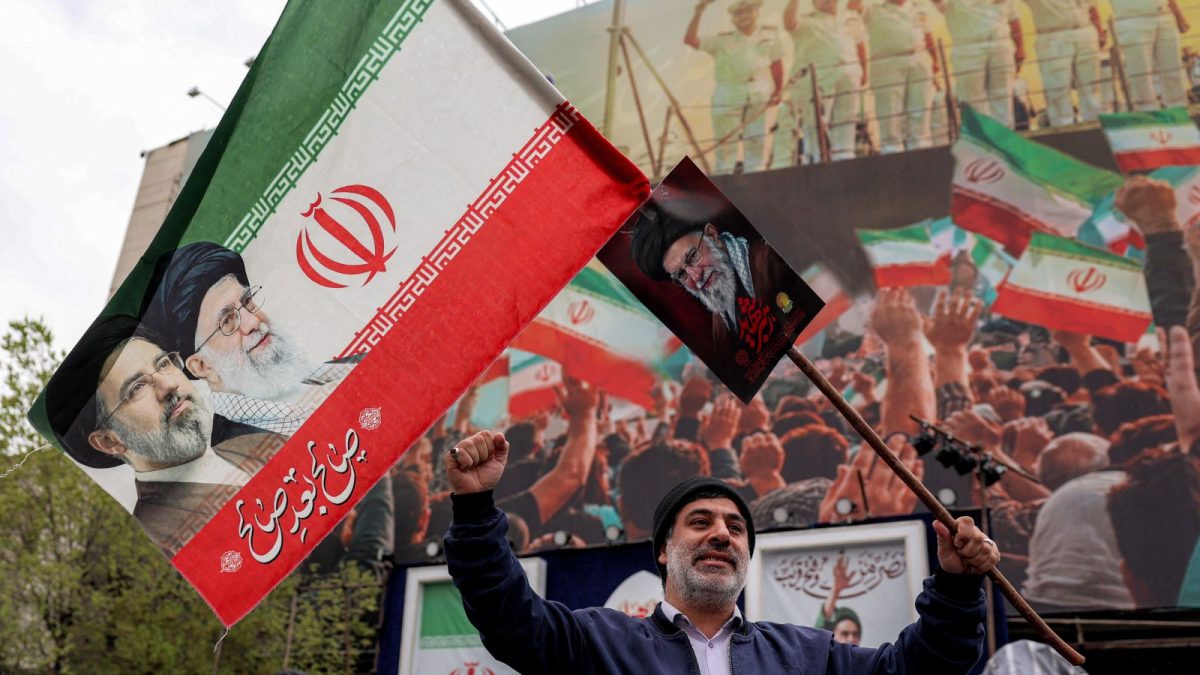
So, the most recent chapter in this saga was about Iran. A few days ago Trump announced a “two‑week ceasefire window” with Tehran, saying it was a final shot at diplomacy. He framed it as a pressure valve, a way to get both sides to think twice before the situation blew up. The idea was that if shipping traffic could move freely through the Strait of Hormuz, the ceasefire would hold.
He kept saying both sides should aGree to a “two‑sided ceasefire”. In his words, the US had already achieved its military goals, and the conflict could be close to resolution. But at the same time he warned Iran that they could lose power plants and bridges if they didn’t meet his demands, especially reopening the Strait of Hormuz for commercial vessels.
From my point of view, it felt a lot like when a middle‑class family in Delhi decides to cut down the electricity usage for two weeks to lower the bill, hoping the utility company will lower rates. The family announces the plan loudly, but the utility’s response is vague, and then the deadline slides. Trump’s two‑week promise with Iran seemed to work the same way – a public gesture to create urgency, yet the real negotiations kept moving under the radar.
What’s also interesting is how quickly the narrative switched. One day it was a firm “two‑week ceasefire”, the next day the deadline was being re‑talked about as a “flexible window”. It reminded me of how, on Indian news channels, a minister might say, “we’ll finish the road in two weeks”, and later, when asked, they’ll say, “well, it depends on the weather”. The core fact stays – a two‑week window was offered – but the exact meaning keeps shifting.
Ukraine: Weeks Of Promises, No Deal
Before the Iran episode, Trump had already tried the same trick on the Ukraine‑Russia war. Right after he began his second term, he kept saying he would end the war in a matter of weeks, sometimes even suggesting a deal could be sealed in a few days. The world was watching, and many hoped for a quick peace. But the conflict has kept dragging on, with no major breakthrough that can be directly linked to a two‑week promise.
It felt to me like hearing a relative promise to finish a big family function’s preparations in two weeks, only to see the same chores resurfacing week after week. The “two‑week” framing kept popping up in Trump’s speeches about Ukraine, yet there was never a concrete plan presented that matched the timeline.
In Indian settings, we often see similar promises: a local politician might assure “the water supply will be fixed in two weeks”. Then weeks later, the same promise is repeated with a fresh two‑week timeline, leaving the actual problem untouched. Trump’s handling of Ukraine, with repeated two‑week pledges and no visible outcome, mirrors that pattern – a pressure‑creating tactic rather than a firm commitment.
Healthcare: A Plan Without A Timeline
In the early part of 2026, Trump rolled out what he called the “Great Healthcare Plan”. He talked about lower drug prices, cheaper insurance premiums and more transparency. The proposal suggested moving government subsidies straight to individuals, opening up over‑the‑counter drug sales and cutting out the middlemen in the insurance business.
What struck me was that, unlike his usual two‑week hype, this plan came without a clear deadline. It was more of a framework, a set of ideas, but no detailed legislation, no set implementation schedule, and uncertain support in Congress. It reminded me of when a new gadget is announced in Bengaluru’s tech fairs – the hype is massive, the specs are tempting, but the actual launch date stays hazy.
Even though there was no “two‑week” promise attached to the health plan, the way it was presented still followed Trump’s style – big promises, big language, but vague on the nuts and bolts. In my view, it’s the same playbook: promise big changes, keep the audience hooked, and let the details get sorted later, maybe when the political winds change.
Tax Returns: A Promise On Permanent Hold
Another long‑standing saga is Trump’s tax returns. Over both his terms, he has periodically revived the question of releasing them. Every so often, he drops a hint that one day the returns will be out, only to withdraw the promise later. It’s a promise that has been alive for years, but never actually materialised.
For me, it feels similar to waiting for a promised salary hike that never hits the bank account. The promise is there, the public keeps asking, the leader keeps saying “soon”, and the timeline stretches indefinitely. The fact remains the same – Trump has not released his tax returns despite multiple assurances.
This endless loop of promise and delay adds to the perception that the “two‑week” deadline is more a tool for keeping attention than a genuine schedule. Even though there isn’t a specific two‑week claim attached to the tax returns, the pattern of raising hopes and then leaving them hanging is unmistakable.
Trump’s Governing Style – The Two‑Week Signal
Putting all these episodes together, the “two weeks” deadline looks less like a strict countdown and more like a signal. It tells people, the media and even foreign leaders that the president is moving fast, that something important is about to happen. At the same time, it gives him leeway – if the deadline passes without a concrete result, the story simply moves on to the next crisis.
In everyday Indian life, we see similar signals. A school principal might announce a new rule will be in effect in two weeks, creating a buzz among students and parents. If the rule doesn’t actually roll out, the next announcement appears, often with a fresh two‑week promise. The core purpose is the same – generate momentum, keep the conversation alive, and manage expectations without being fully accountable.
From my personal experience watching the news, it seems the two‑week motif works well for Trump’s style of governance. It creates a sense of urgency, pushes negotiations into the public eye, and allows him to claim action even if the final outcome is delayed or altered. The pattern is at once a political tactic and a media‑driven narrative that thrives on short‑term pressure.
So, whether it’s a ceasefire with Iran, a peace promise in Ukraine, an ambitious health‑care reform, or the ever‑pending tax return disclosure, the two‑week deadline remains a recurring theme. It’s a reminder that in politics, sometimes the timeline is more about perception than about actual delivery.