Why I kept asking for Hawkeye on Court 2
Honestly, watching the Badminton Asia Championships from my living‑room in Chennai felt like a roller‑coaster of emotions. I had my tea ready, the Wi‑Fi was working, and I was all set to cheer for the Indian squad. But then I realised something weird – the big, shiny Hawkeye screens that we have grown used to seeing on TV were missing on Court 2 where most of the Indian matches were being played.
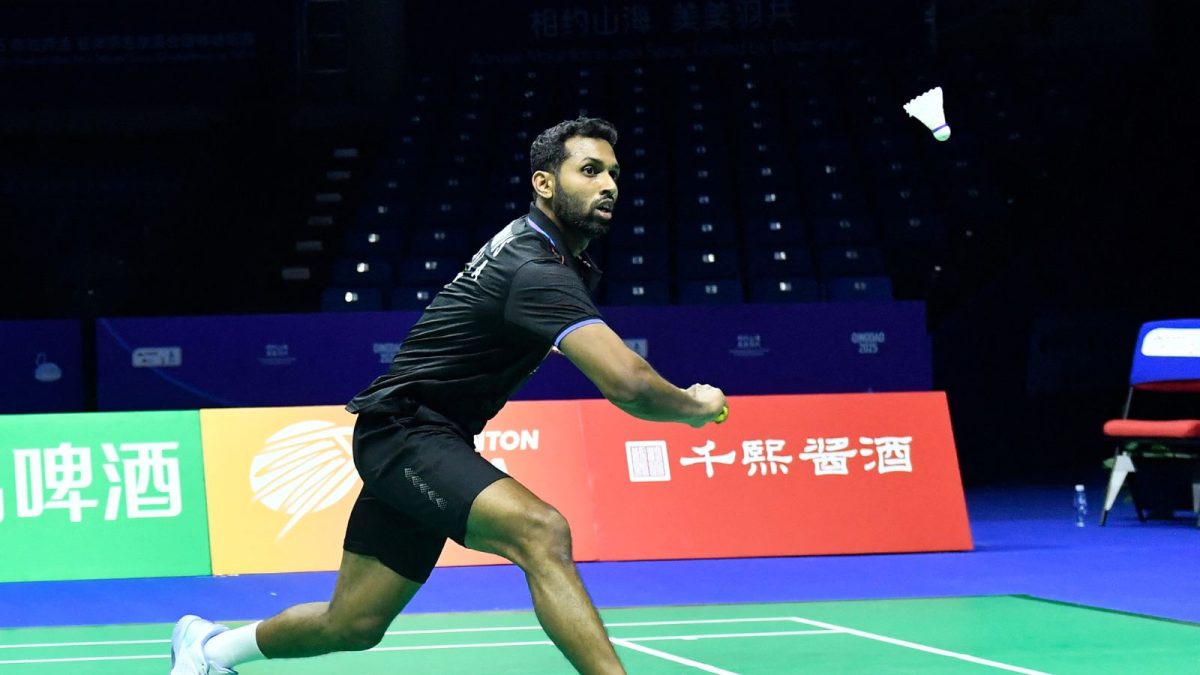
It wasn’t just my imagination. When HS Prannoy stepped onto Court 2 at the Ningbo Olympic Sports Centre, the broadcaster kept cutting to a blank screen whenever a line call was made. No replay, no slow‑motion graphics. Just the raw shuttle flight. For a Super 1000 event, that felt completely out of place.
Now, I’m no tech‑guru, but I know that Hawkeye has been a part of BWF tournaments since 2014. It uses a bunch of high‑speed cameras to trace the shuttle’s trajectory in 3‑D, and it lets players challenge a line call instantly. So, seeing a top‑level competition without it on one of the main courts was, frankly, baffling.
HS Prannoy’s own battle on the court
HS Prannoy’s match that day was a perfect example of why the technology matters. He went up against China’s Weng Hong Yang – a young player with a fierce attacking style. The first game went at a rapid pace, and HS Prannoy lost 12‑21. I could see the frustration on his face, especially when a few close calls went against him without any chance to review.
In the second game, HS Prannoy fought back a little. He pushed the score to 19‑21 before the Chinese player finally sealed the win. Even though the loss was in straight games, the second set showed that a couple of Hawkeye challenges could have changed the flow a bit. I remember thinking, ‘If only there was a replay screen, maybe HS Prannoy could have saved that point.’
After the match, HS Prannoy took to Twitter and posted a short but angry message: “It’s 2026 and I still can’t believe there is no Hawkeye in court 2 for a Super 1000 event 🤦🏻🤯”. The tweet went viral among Indian badminton fans, and the hashtag #NoHawkeyeSoon started trending.
PV Sindhu’s disappointment on the same court
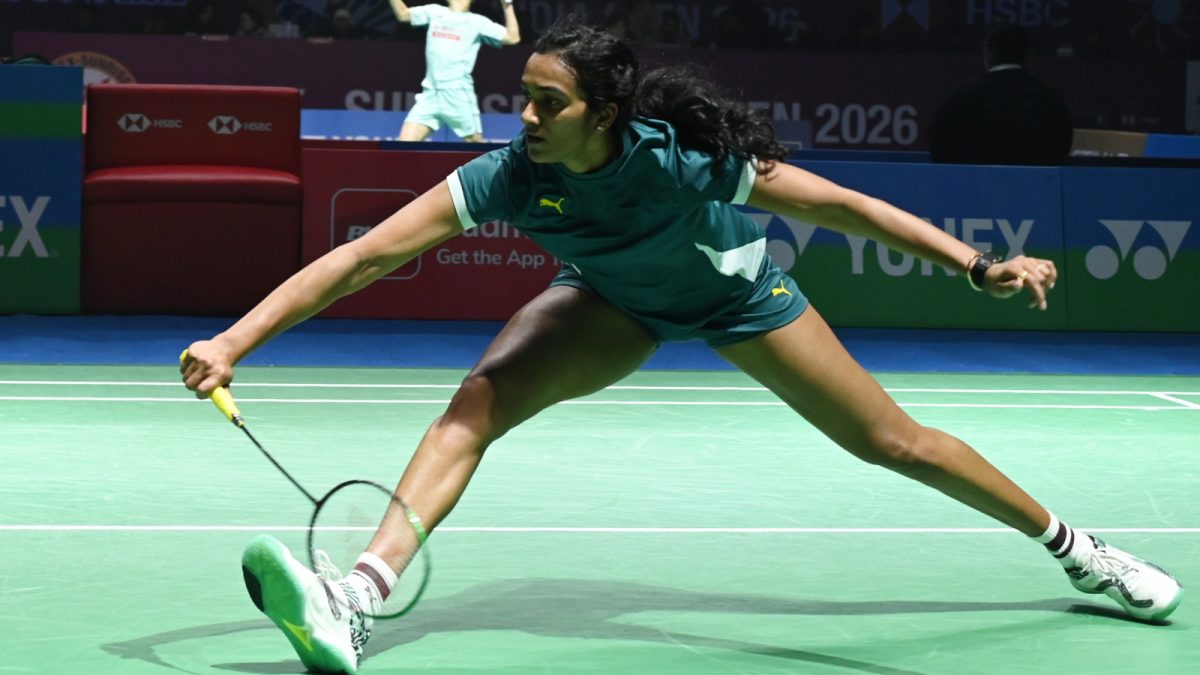
If you thought HS Prannoy was the only one feeling short‑changed, think again. PV Sindhu, the double Olympic medalist, also had to play on Court 2. She was up against the second‑seed Wang Zhi Yi from China. The match was supposed to be a showcase of Sindhu’s skill, but it turned into a quick 0‑2 defeat.
Without Hawkeye, every line call was final. When a point was contested, there was no way for PV Sindhu to challenge it. I could see the disappointment on her face, especially after a close rally that was ruled out. It reminded me of the many times I’ve watched a cricket match where the third‑umpire reviews a disputed LBW – the difference is huge when the technology isn’t there.
PV Sindhu’s early exit added to the day’s narrative that the Indian contingent was battling not just opponents, but also an avoidable lack of facilities.
Other Indian players and their journeys
It wasn’t just the singles stars who felt the heat. Unnati Hooda, a promising young shuttler, also played on Court 2. She faced Japan’s Tomoko Miyazaki and lost in straight games. I remember watching that match with my younger cousin, who was hoping Unnati would pull off an upset. Unfortunately, the lack of Hawkeye meant every tight call went against her, and the Japanese player took advantage.
In the women’s doubles, the pair of Shruti Mishra and Priya Konjengbam were set to challenge the fifth‑seeded Japanese duo Yuki Fukushima and Mayu Matsumoto. The Indian duo put up a brave fight, but the Japanese pair’s experience shone through. While I didn’t see a single Hawkeye replay for that match either, the pair of Shruti Mishra and Priya Konjengbam still earned applause for their spirited play.
On the men’s side, Ayush Shetty gave us a reason to smile. He faced world No. 20 Chi Yu Jen of Chinese Taipei and won convincingly with a scoreline of 21‑16, 21‑12. Ayush’s powerful smashes and swift footwork were on full display. After the win, he told the press that he hopes the tournament organizers will upgrade the technology for the later rounds. He’s scheduled to face the third seed Jonatan Christie next – a match that will definitely benefit from Hawkeye, if they decide to install it on Court 1.
Why Hawkeye matters – a quick rundown
For those who might not be familiar, Hawkeye is more than just a fancy screen. It’s an optical tracking system that uses multiple high‑speed cameras placed around the court. These cameras capture the shuttle’s flight in real time, creating a 3‑D simulation that can be instantly reviewed. When a player challenges a call, the umpire can see a clear replay and decide if the line was correct.
Since its introduction by the Badminton World Federation in 2014, Hawkeye has become a standard at most major events – from the World Championships to the Olympics. It reduces human error, adds fairness, and gives players confidence that a close call will be checked.
When a top‑tier tournament like the Badminton Asia Championships skips Hawkeye on any main court, it sends a message that the event isn’t keeping up with global standards. That’s why HS Prannoy’s tweet struck a chord. It wasn’t just personal frustration – it was a call for parity with other international events.
Fans’ reaction and the way forward
Back in India, badminton fans took to social media in droves. I saw comments ranging from “Come on, BWF, fix this!” to “If they can do it for the Olympics, why not here?” The general consensus was that Indian players deserve the same facilities that their foreign counterparts get.
Organizers replied that the Hawkeye system was being set up on Court 1 and that technical issues delayed its rollout on Court 2. While that explains the logistical side, many felt it was still unacceptable for a Super 1000 event. The BWF has a responsibility to ensure all main courts are equipped, especially when several matches involving top‑ranked players are scheduled there.
Going forward, many suggest that future editions of the Badminton Asia Championships should have a contingency plan – perhaps a portable Hawkeye unit that can be moved between courts, or at least a backup system. This would prevent another day like the one we experienced in Ningbo.
Personal takeaways from the tournament
Watching the tournament from my balcony, I felt a mix of pride and disappointment. Pride because our players – HS Prannoy, PV Sindhu, Unnati Hooda, Ayush Shetty – showed heart despite the hurdles. Disappointment because the lack of Hawkeye turned several close contests into clear losses.
It also reminded me of the many times I’ve played badminton in my local club, where the line judges often make mistakes. Imagine playing at a world level without any technology to help you. That’s why I totally back HS Prannoy’s rant – it’s not just about a screen, it’s about fairness.
In the end, I hope the Badminton Asia Championships learn from this episode. The sport is growing fast in India, and our players deserve the best possible conditions. If that means installing Hawkeye on every court, then let’s do it. After all, it’s 2026 – we should be ready for it.