Iran steps up missile and drone attacks on Qatar, Ras Laffan gas hub gets hit, India warns its citizens
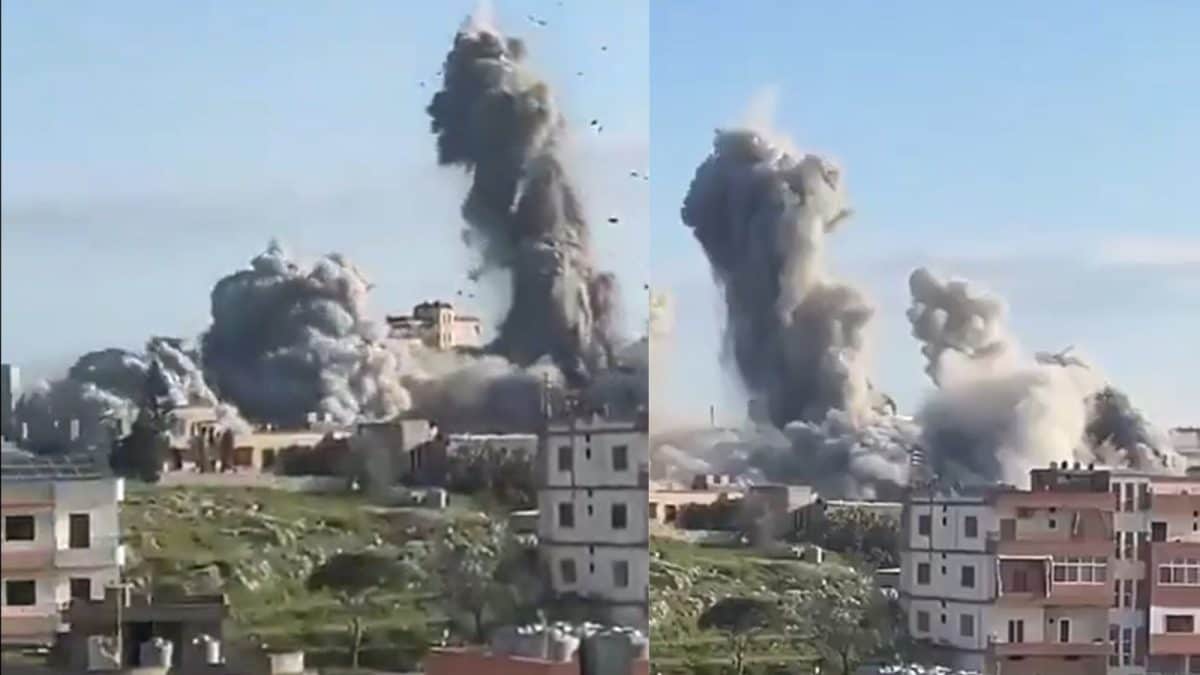
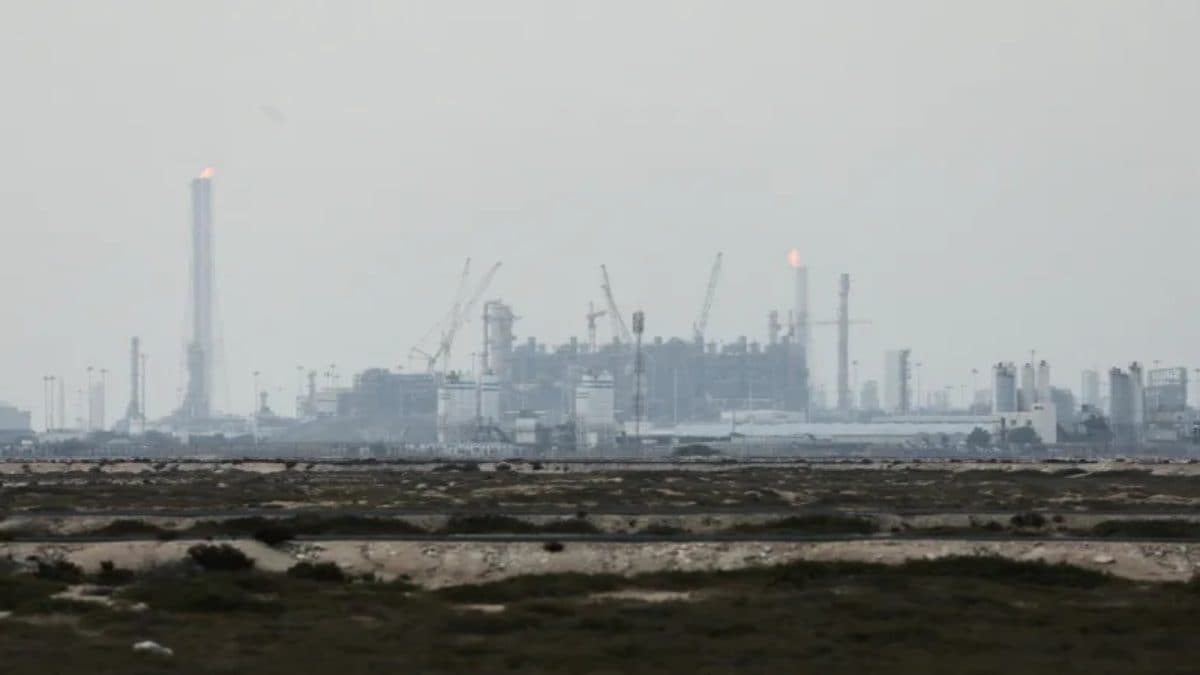
I was scrolling through the news feed this morning, and there it was – grainy video clips showing massive explosions at Qatar’s Ras Laffan Industrial City. You know, the place where most of the country’s gas is processed and exported. The footage was raw, the kind you usually see on a war documentary, not a polished news bulletin. It felt like watching something that could have happened to any of the big industrial zones back home in Gujarat, only this time it was in the desert of Qatar.
The clips were part of a new episode of Gree’s series “What Lies Hidden Is Greater”. The programme has been pulling together visuals from all over Qatar after what they call the “Iranian retaliation” following the US‑Israeli strike on Tehran. In those visuals, you could see the blast sites at Ras Laffan, the twisted metal of early‑warning radar towers up north, and even some parts of Al Udeid air base looking like they’d been through a heavy thunderstorm – only the thunderstorm was actually missiles and drones.
What struck me most was the mix of long‑range missile impacts and smaller drone fragments littering the roads. There were also short clips of an aerial dogfight, something you’d only expect to see in movies. Qatar’s defence officials claim they managed to shoot down two Iranian Su‑24 jets during the chaos. If you ask me, that sounds like a scene from a Bollywood war drama, but the seriousness was very real.
Iran, on its part, says the strikes were aimed at US‑linked military assets. Doha, however, is pushing back hard. They argue the attacks have hit civilian and economic targets, not just the military installations. According to the Qatari side, none of their territory – especially the Al Udeid air base – was used as a launchpad for any attacks on Iran. It feels like a classic “he‑said, she‑said” scenario, but with real lives and infrastructure at stake.
Repeated waves of attacks – how it unfolded
Since the regional tension flared earlier this year, Iran has launched several waves of missile and drone attacks on Qatar. The first strikes were relatively small, targeting what looked like civilian infrastructure – even the airport was mentioned in some reports. Over the weeks, the attacks grew in size and sophistication, moving from cruder rockets to precision‑guided missiles.
From a personal angle, I remember hearing a friend who works in Doha’s hospitality sector saying that the city’s usual bustle – the traffic of taxis, the hum of air‑conditioners, the occasional street vendor selling pakoras – turned eerily quiet during these alerts. The sirens that police use for air‑raid warnings went off, and people huddled inside their apartments, pulling curtains and staying away from windows. It reminded me of the sudden lockdowns we experienced back in 2020, only this time the fear was of an actual blast, not a virus.
Qatar’s air‑defence systems have been pretty effective, intercepting most incoming threats. Still, a few missiles slipped through, causing the damage we see today at Ras Laffan and other strategic sites. The pattern that seems to emerge is that early attacks were aimed at softer, civilian‑type targets, perhaps to create panic, while later ones mixed in more hardened military objectives, suggesting a shift in tactics.
In most cases, the destruction seemed to be aimed at disrupting the country’s economic lifeline – primarily its gas exports. Ras Laffan is not just a local power plant; it’s a hub that feeds gas pipelines stretching across the Persian Gulf, delivering to countries that rely on Qatari LNG. Shutting it down, even temporarily, can have ripple effects on global energy markets, something that analysts in Mumbai and Delhi have started to talk about over chai.
What the Indian community in Qatar is being told
With the situation deteriorating, the Indian Ministry of External Affairs quickly put out an advisory for its citizens living and working in Qatar. The wording was quite straightforward – stay indoors, avoid windows, keep away from any exposed areas, and only step out if absolutely necessary. It sounded a lot like the safety bulletins we receive during cyclones back home in the coastal states, except the threat here is missiles and not wind.
Another point that caught my eye was the note about Qatar’s airspace being closed. All flight operations were temporarily suspended, which is a massive inconvenience for the many Indian expats who rely on frequent flights between Doha and Indian cities for both work and family visits. The Ministry of Interior in Qatar also announced that they are extending all categories of entry visas by one month, at least until the situation stabilises. It’s a relief for those who were worried about their legal status while the city is under lockdown-like conditions.
People I know who run small businesses in Doha’s market have already started moving some inventory to safer warehouses, and a few families are planning to head back to India as soon as they get the Green light. It feels like the ripple of this conflict is reaching way beyond the immediate blast zones, affecting everyday lives, business plans, and family reunions.
Impact on everyday life – a street‑level view
To give you a clearer picture, imagine walking down Al Rashid Road on a typical Saturday, the scent of incense wafting from a nearby shop, street kids playing cricket with a plastic bat. Now replace that with a sudden, high‑pitched siren, a flash of orange light as a missile detonates nearby, and a cloud of dust covering the bustling street. People duck into nearby buildings, some shouting “Arey, stay away!”, while others rush to the nearest safe spot, clutching their phones to see the latest updates.
Even basic utilities faced disruptions. Some residents reported intermittent power cuts, while others mentioned that the water supply was briefly halted. It reminded me of the power outages we sometimes get during the monsoon in Bengaluru – only this time the cause was far more ominous.
Furthermore, the crisis has affected the transportation network. Buses that usually criss‑cross the city were taken off the road, and taxis were instructed to stay within certain zones. The Ministry of Interior’s directive for people to remain in safe locations has effectively turned the city into a giant waiting room – everyone hoping for calm to return.
In most cases, the community’s response has been one of cautious resilience. Many expatriates have formed small WhatsApp groups to share real‑time information about safe routes, shelters, and any news about the attacks. It’s similar to the neighbourly warnings we get in Indian colonies when a storm is on the way, only this time the warnings come with an urgent tone of “stay indoors, stay safe”.
Geopolitical ripples – why the world is watching
From a broader perspective, the attacks on Qatar are more than just an isolated episode. They are part of a larger regional war that began after a major strike on Iranian soil by the US and Israel. Iran’s decision to hit Qatar, a country that hosts a massive US‑backed air base, signals an attempt to pressure the coalition forces indirectly.
However, the fact that civilian infrastructure like the Ras Laffan gas hub was hit has drawn criticism from various international observers. Energy analysts are already hinting that global LNG prices could see a short‑term spike if Qatar’s export capacity is hampered. For a country like India, which imports a significant portion of its gas from Qatar, this could mean higher energy bills for households and industries.
On the diplomatic front, Qatar has been quick to deny that its territory was used to launch any attacks against Iran. This denial is crucial for them, as they do not want to be painted as an active participant in the hostilities, which could invite further retaliation. At the same time, they are trying to assure their citizens and allies that the situation is under control, even if the airspace closure and advisories suggest otherwise.
In most cases, the world’s media coverage has focused on the high‑profile military aspects, but the everyday stories – like the one I’m narrating – highlight how ordinary people adapt and survive amidst a dangerous geopolitical game.
Looking ahead – what might happen next?
So, what can we expect moving forward? If the pattern holds, Iran might continue to launch intermittent strikes, trying to keep pressure on Qatar and, by proxy, the US‑Israeli alliance. Qatar’s defence systems will likely stay on high alert, and more air‑defence drills could be conducted.
For the Indian community in Qatar, the immediate takeaway is to stay updated, follow the Ministry of Interior’s guidance, and keep their families informed. The extension of visa validity gives a little breathing room, but it doesn’t replace the need for personal safety measures – staying indoors during alerts, having emergency kits ready, and knowing the nearest shelters.
On a personal note, watching these events unfold reminds me of how fragile peace can be, especially when strategic resources like gas become part of a larger power play. Yet, it also shows the resilience of people – whether it’s a Qatari shopkeeper securing his stock or an Indian engineer checking the integrity of pipelines from a safe distance.
Whatever the next chapter holds, I’ll keep sharing updates as they come, because sometimes, hearing a story from someone’s point of view helps make sense of a chaotic world.