Why I Started Paying Attention to the TCS Nashik Scandal
Honestly, I never expected a story about a tech giant to hit my WhatsApp feed the way it did. It started as a simple message from a friend who said, "Did you see the latest news India about TCS Nashik?" I clicked, and what I found was a whole lot of breaking news that felt more like a personal horror film than a corporate update. The term "HR blackhole" kept popping up, and I realized this was not just another corporate press release it was a real‑life nightmare that had been brewing for years. The whole thing has become one of those viral news pieces that everyone on LinkedIn, Instagram and even local commuter trains is talking about. So, I decided to dig deeper and share what I learned, hoping it might help others spot similar red flags in their own workplaces.
What the Allegations Are About A Timeline From My Perspective
From what I gathered, the allegations against staff at TCS Nashik span from early 2022 right up to early 2026. The victims, mostly young women between 18 and 25, describe a pattern that reads like a catalogue of abuse: inappropriate touching, unwanted stalking, lewd comments and even promises of marriage used as leverage. It was shocking to see the level of detail they even mentioned being forced to join religious activities like offering namaz or being pressured to eat food that went against their beliefs. Some of the complaints even hinted at forced religious conversion within the office premises. The sheer variety of the claims made it clear that this was not an isolated incident but a systematic problem that had been ignored for a long time.
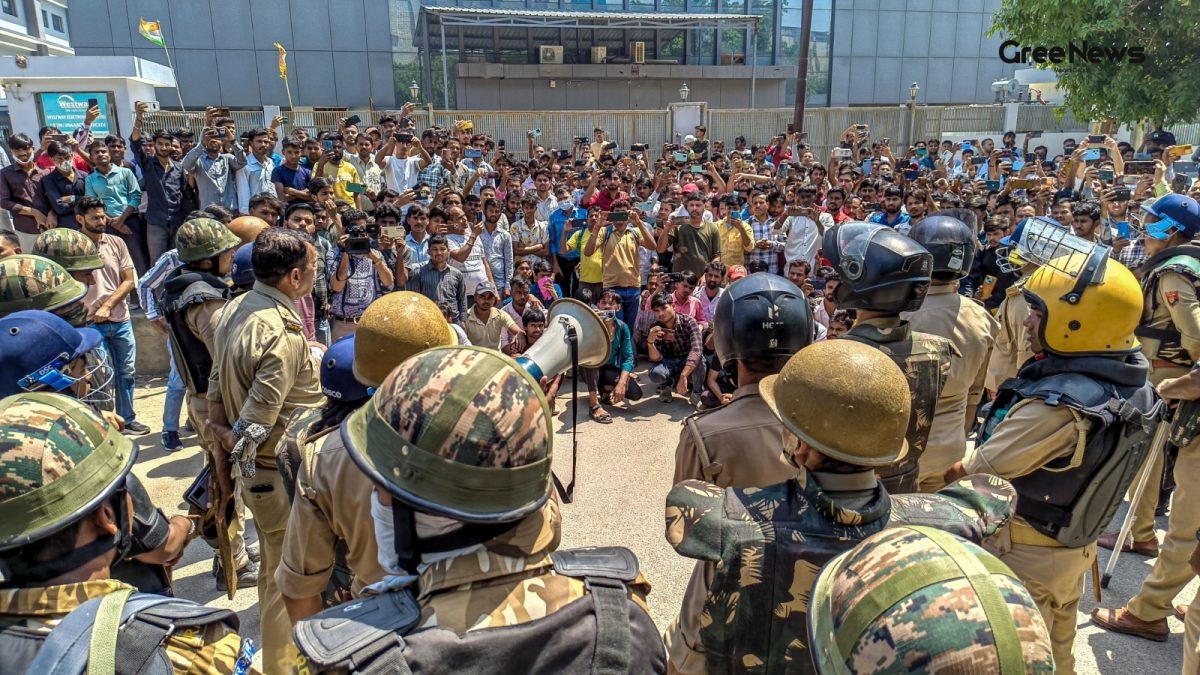
What caught my attention next was the shift in the narrative when a female employee finally went to the Deolali Camp police station to lodge a formal complaint after internal channels supposedly failed. This is when the Nashik Police formed a Special Investigation Team, or SIT, to probe the "pattern of exploitation". Up to now, seven individuals, including team leaders and the HR manager Nida Khan, have been taken into custody. The charges involve sections of the Bharatiya Nyaya Sanhita related to rape, sexual harassment and deliberate acts intended to outrage religious feelings.
HR Inaction The Backlog That Became a Blackhole
One aspect that keeps coming up in every piece of trending news India is the claim that the HR department at TCS Nashik turned a blind eye. Several victims say they sent official emails and used internal grievance mechanisms as early as 2022, but nothing happened. The number "70 complaints" has been floated around social media, though the police and the company only talk about the verified pattern of negligence. It feels like the HR team wasn't just inactive they might have actually been shielding the perpetrators. Imagine being a fresh graduate and having to face constant harassment, only to watch your emails get lost in some corporate void. That's the story that many employees are sharing, and it's why this case has become such viral news.
I remember talking to a colleague who worked in a different TCS office. He said that even when he heard about the Nashik issue, the corporate response felt like a reaction to media pressure rather than a genuine attempt to fix the problem. That sentiment is echoed by many of the victims who say they felt abandoned by a system that was supposed to protect them.
How Employee Groups and Government Bodies Are Reacting
After the news broke, the Nascent Information Technology Employees Senate NITES for short stepped in. They wrote to the Ministry of Labour and Employment asking for a full audit of the Prevention of Sexual Harassment (POSH) compliance at TCS. Their demand was clear: look into every complaint, whether resolved, pending or closed, and find out if senior leadership was complicit in covering up the reports. This petition added a layer of official pressure that made the whole saga even more noticeable in the India updates feed.
On the corporate side, TCS announced it had suspended all employees linked to the investigation and promised full cooperation with law enforcement. A spokesperson emphasized a "zero‑tolerance policy" towards harassment. However, many observers, including me, felt the response was more about damage control than a proactive stance. The chairman of Tata Sons, N Chandrasekaran, described the allegations as "gravely concerning and anguishing" and said a high‑level internal probe would be led by TCS Chief Operating Officer Aarthi Subramanian. The National Commission for Women (NCW) also announced a fact‑finding committee to conduct an on‑site inquiry at the Nashik facility. All of this has turned the story into a major piece of breaking news that dominates daily briefings.
What This Means for Corporate India My Take
From where I sit, the TCS Nashik episode is a wake‑up call for all large firms in India. It shows how even the biggest names can stumble when their internal grievance machinery fails. The fact that the story has become viral news, trending across platforms, suggests that employees are no longer willing to stay silent. They are sharing their experiences, demanding accountability, and using social media to push for faster action.
For anyone working in a tech park or an office tower in cities like Bengaluru, Hyderabad or even smaller towns, the lesson is clear: keep a record of any misconduct, use official channels, and if those channels fail, consider reaching out to external bodies. The story also underscores the importance of robust POSH committees that actually act on complaints rather than filing them away. It’s not just about compliance; it’s about building a safe environment where employees can focus on their work without fear.
One thing that keeps popping up in the latest news India is the call for an independent audit of HR practices across the industry. If the government and corporate watchdogs take this seriously, we might see a wave of reforms that could make workplaces safer for everyone, regardless of gender or religion.
Personal Reflections How I Felt Watching This Unfold
Honestly, I felt a mix of anger and helplessness when I first read about the allegations. It reminded me of a time back in college when a friend confided in me about harassment by a senior. We never reported it because we thought the system would not protect us. Seeing a giant like TCS caught in a similar scenario made me realize how pervasive the problem is. It also made me think about the role each of us plays whether as a bystander, a colleague, or a manager in either perpetuating or stopping such behaviour.
What surprised me most was the speed at which the story turned into breaking news across the country. Within a few days, the term "HR blackhole" was trending, and newspapers were running deep‑dives. The fact that the story is still unfolding, with the SIT examining bank accounts and the NCW planning an on‑site visit, means we are likely to see more updates in the coming weeks. I keep checking my phone for the next piece of India updates because I genuinely want to know if the system finally starts working for the victims.
At the end of the day, if nothing else, this saga has taught me to be more vigilant, to question corporate processes, and to speak up when I see something wrong. It also reinforced my belief that collective action whether through employee unions like NITES, social media, or legal avenues can bring about change. I hope the resolution of this case sets a precedent that will make future workplaces safer and more respectful.
Where Do We Go From Here? Looking Ahead
The final verdict from the SIT and the NCW inquiry will likely shape the next chapter of this story. If they find that the HR department at TCS Nashik deliberately ignored complaints, we could see stricter enforcement of POSH guidelines across India. Corporate India might also witness a surge in internal audits, especially from companies that want to avoid being labeled as part of a "HR blackhole".
For now, the case remains one of the most talked‑about pieces of viral news in the country. It serves as a reminder that breaking news often starts as a whisper in a hallway, then grows into a national conversation that can’t be ignored. As someone who follows the latest news India closely, I’ll keep you posted on any new developments, because the story is far from over and every little update adds another layer to this complex issue.