Iran Introduces $1‑Per‑Barrel Crypto Toll for All Tankers Crossing the Strait of Hormuz During Ceasefire

Iranian authorities would also conduct individual inspections of vessels to monitor cargo movements during the ceasefire and ensure the strait is not used for transporting weapons
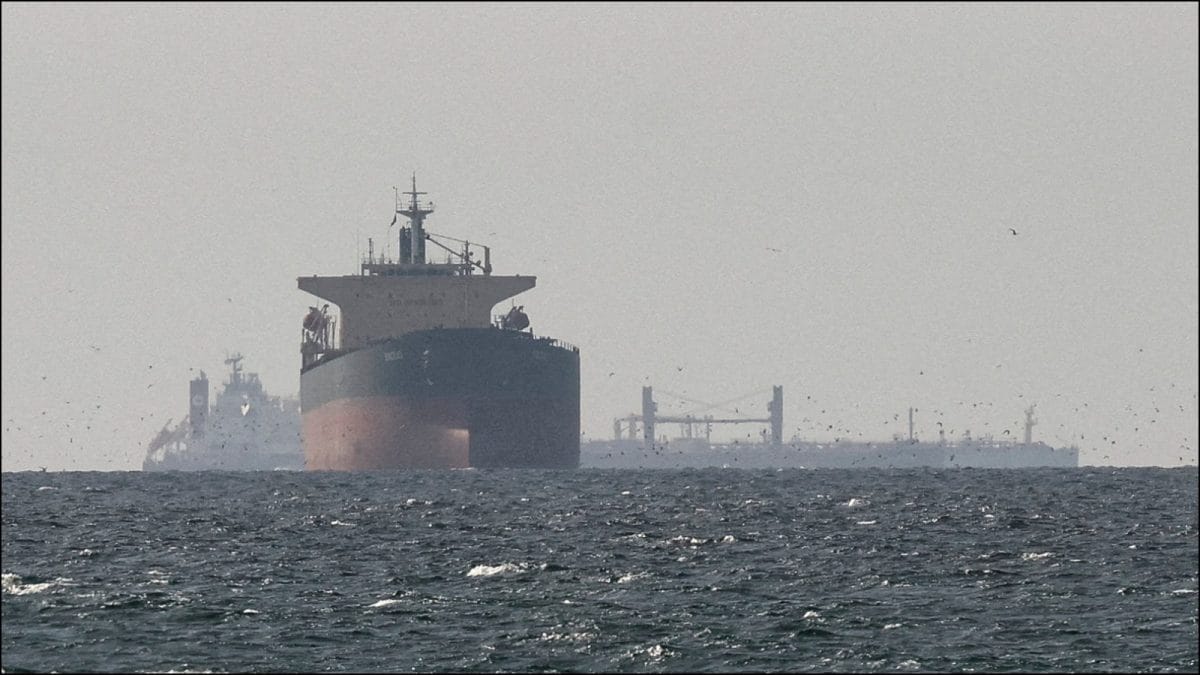
Iran has disclosed a plan to impose a transit levy on every oil tanker that traverses the Strait of Hormuz during a two‑week ceasefire period. The levy will be calculated at a rate of one US dollar for each barrel of oil carried, and the payment will be required in cryptocurrency, according to several reports.
Hamid Hosseini, who serves as the spokesperson for Iran’s Oil, Gas and Petrochemical Products Exporters’ Union, communicated the details of the proposal to the Financial Times. Hamid Hosseini stated that Iran intends to charge a fee of $1 per barrel on each tanker that passes through the strategic waterway known as the Strait of Hormuz.
Hamid Hosseini further explained that Iran will carry out individual inspections of each vessel. These inspections are designed to verify cargo movements throughout the ceasefire window and to guarantee that the Strait of Hormuz is not exploited for the transport of weapons.
Under the proposed arrangement, tankers seeking permission to move through the Strait of Hormuz will be required to send an electronic message to Iran containing the full details of their cargo. The electronic message must be transmitted via email and must include information such as the quantity of oil, the type of product, and the identity of the shipping company.
After Iran completes the inspection of a given vessel, Iran will notify the vessel’s owners of the exact amount of the toll that is due. The toll amount will be expressed in cryptocurrency, and Iran will provide the necessary wallet address for the transaction.
Hamid Hosseini indicated that each vessel will have only a few seconds to execute the payment in Bitcoin. The rapid‑payment requirement is intended to make it difficult for the funds to be tracked or frozen under the framework of international sanctions.
Hamid Hosseini emphasized that all vessels will be allowed to pass through the Strait of Hormuz, but each vessel must adhere to the procedural steps outlined by Iran. Hamid Hosseini noted that the procedural steps will inevitably add time to the overall transit process.
The final conditions that will dictate passage through the Strait of Hormuz will be set by Iran’s Supreme National Security Council. Iran’s Supreme National Security Council will determine the precise parameters that vessels must meet before receiving clearance.
The report also indicated that Iran may require tankers to use the northern shipping lane that runs closer to Iran’s coastline. This requirement could present additional logistical challenges for vessels that are linked to Western nations or Gulf states, as the northern lane may involve tighter navigation constraints.
Iran’s latest maneuver builds on a previously announced ten‑point ceasefire proposal. The earlier proposal included a clause that would allow both Iran and Muscat to impose transit fees on ships operating within the Strait of Hormuz.
Oman rejected the clause that called for transit fees, stating that no tolls can be imposed on vessels crossing the Strait of Hormuz. Oman’s Transport Minister reiterated that Oman has signed aGreements that guarantee free passage for ships, and Oman reaffirmed its dedication to preserving safe and unrestricted navigation through the chokepoint.
The stretch of water that separates Iran and Oman measures roughly 34 kilometres in width. This corridor is widely recognized as an international waterway, and neither Iran nor Oman has historically imposed transit charges on vessels using the route.
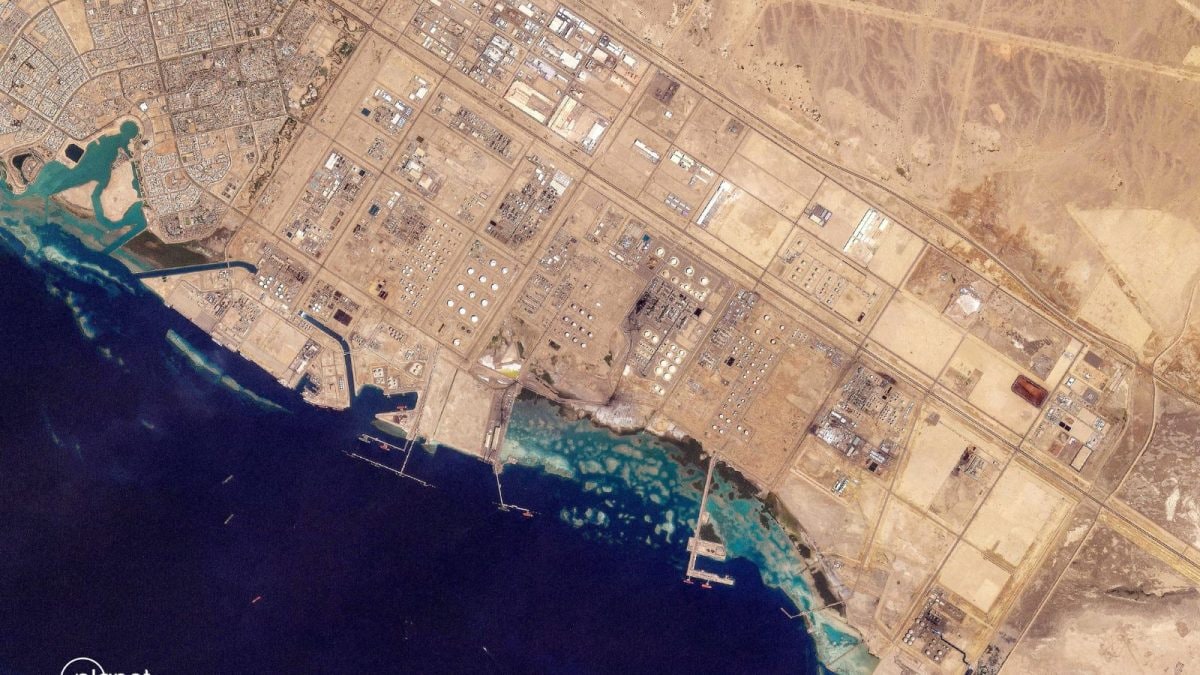
The Strait of Hormuz serves as the narrow gateway to the Persian Gulf and handles approximately one‑fifth of the world’s oil trade. Disruptions or policy changes affecting the Strait of Hormuz therefore attract close scrutiny from global energy markets.
Iran has asserted that any revenue generated from the proposed levy will be directed toward post‑war reconstruction. Iran cited extensive damage inflicted on its defence, administrative, and civilian infrastructure during the conflict, and Iran indicated that the funds will support rebuilding efforts.
In summary, Iran’s plan to collect a $1‑per‑barrel toll in cryptocurrency represents a novel approach to generating revenue while attempting to evade conventional financial controls. The requirement for rapid Bitcoin payments, the mandatory cargo inspections, and the potential routing through a northern lane together create a complex operational environment for tanker operators navigating the Strait of Hormuz during the ceasefire period.