How I Stumbled Upon the Toy Story Meme That Took the Internet by Storm
Honestly, I was just scrolling through my X feed, looking for the latest news India was buzzing about, when a bright thumbnail caught my eye. It was the unmistakable pastel world of a Toy Story‑style animation, but instead of Woody and Buzz, the characters looked like miniature versions of Donald Trump and Benjamin Netanyahu. At first I thought it might be some fan‑made parody, but the caption underneath read, "New MAGA Toy Story just dropped… ‘America First’… but it looks more like Israel comes first." That line alone made me pause, because it was playing on a very current political narrative, and I couldn’t resist clicking on it.
What happened next was a mix of amusement and a little bit of disbelief. The short clip, titled “Goy Story”, was not just a simple joke it was a full‑blown animation where Benjamin Netanyahu was shown as the puppet master, similar to the character Andy from the original Toy Story series, while Donald Trump moved around as a loyal Woody‑type toy that followed every command. The whole thing felt like a digital front‑line where memes are the new weapons, and I realized this was part of a larger trend of Iran‑linked creators using pop‑culture formats to push their narrative. It reminded me of how quickly breaking news can turn into viral news, especially when it’s packaged in a way that feels familiar to everyone.
What the Video Shows A Playful Yet Sharp Take on Geopolitics
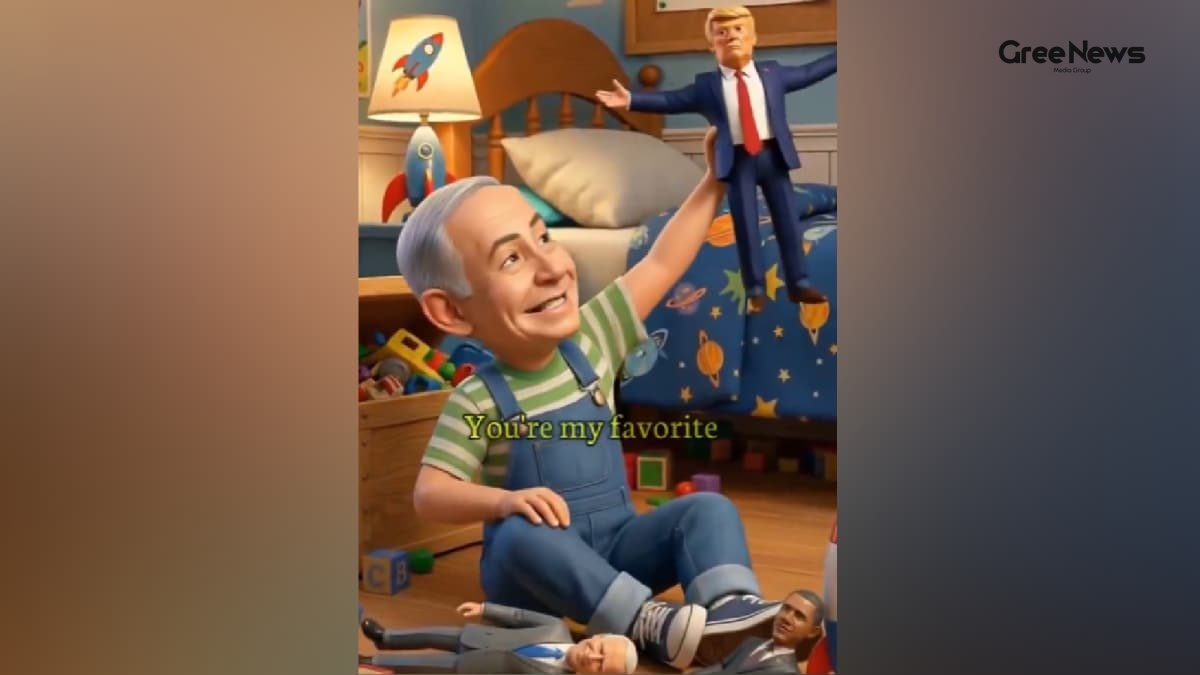
Let me break down the key scenes, because they’re packed with symbolism that’s both entertaining and thought‑provoking. The opening frame shows Benjamin Netanyahu holding a tiny figurine that looks just like Donald Trump. The caption says Benjamin Netanyahu’s “favourite toy,” which is a direct nod to how the US and Israel have historically aligned on many strategic issues. In the animation, Benjamin Netanyahu is basically the Andy figure, the one who pulls the strings, while Donald Trump is the Woody character, always ready to obey and help.
There’s also a brief cameo by Joe Biden, who shows up as an older toy being set aside a classic Toy Story theme where older toys get replaced by newer ones. And just for the extra punch, a short glimpse of a Barack Obama figurine appears, making the whole scene feel like a rapid‑fire political flashback. The background features Green army men that look like the iconic toy soldiers from the original film, reinforcing the idea that these leaders are being treated as playthings on a global board.
One particularly striking moment shows a devil‑like figure preparing a plate of skulls and calling out to Benjamin Netanyahu. This seemed to reference the heavy casualties in places like Gaza, Lebanon, and even the broader Iranian theatre. It’s a dark, almost macabre image that juxtaposes the child‑like animation style with the grim reality of war. When the terrorist‑like figure is shown, the animation takes a sudden turn into more serious commentary, proving that this meme is not just about jokes it’s also about expressing a deep frustration with ongoing conflicts.
Why This Meme Went Viral The Power of Familiar Formats
Now, you might wonder why a short animation about political leaders playing with toys became such a piece of trending news India and beyond. The answer lies in how the meme leverages a format that most people instantly recognize the Toy Story universe. By turning complex geopolitics into a colourful, easy‑to‑share video, the creators tapped into a psychological shortcut: familiarity breeds sharing. When you see a cartoon that reminds you of your favourite childhood movie, you’re more likely to pause, watch, and forward it to friends.
Besides the nostalgic hook, the video also uses sharp satire. The way Benjamin Netanyahu is depicted as “Andy” who controls “Woody‑like Donald Trump” is a direct commentary on the perceived dependence of the US on Israel’s strategic decisions. The subtle inclusion of Joe Biden and Barack Obama adds layers that feel like an inside joke for anyone following US politics. This mix of humor, cultural reference, and political critique makes the meme an irresistible piece of viral news, perfect for platforms that reward quick, visually appealing content.
What really blew my mind was the speed at which this clip spread. Within a few hours, it was being discussed not just on Twitter, but also across Indian WhatsApp groups, Facebook pages, and even some regional news portals. Everyone seemed to have an opinion some found it hilarious, others thought it was in poor taste, and many saw it as a clever way to convey a serious message without resorting to long‑form articles. The meme’s reach demonstrates how breaking news can quickly become viral news when it’s wrapped in a share‑ready package.
Behind the Scenes Who’s Actually Making These Memes?
The account that first posted the video was identified as the Iranian Embassy in The Hague. Their caption “New MAGA Toy Story just dropped… ‘America First’… but it looks more like Israel comes first” was a clear signal that this wasn’t just a random fan‑made joke. Over the past few weeks, I’ve noticed a surge of similar content coming from Iran‑linked creators. From Lego‑style animations to AI‑enhanced videos, they are clearly experimenting with different mediums to push their narrative on the global stage.
What’s fascinating is how they tailor each piece for both American and international audiences. The animation incorporates familiar US political figures, while also weaving in subtle references that resonate with audiences in the Middle East, such as the “Third Temple” reference, which is a politically charged symbol linked to the Al‑Aqsa Mosque compound in Jerusalem. By using a mixture of pop‑culture, religious symbolism, and geopolitical commentary, they ensure the content is relevant to multiple demographics at once.
From an Indian perspective, this trend is part of a larger pattern where foreign state actors use memes and AI tools to influence public opinion. The digital landscape in India is vast, with millions of users scrolling through short videos and memes daily. When a piece of content aligns with local humor or familiar storytelling, it quickly becomes part of the “trending news India” conversation, especially if it concerns a hot topic like the US‑Israel‑Iran situation.
Connecting the Dots How This Reflects the New Frontline of Warfare
Think about it: traditional warfare has always been about physical battles, but today we see a parallel front where the weapons are memes, AI‑generated videos, and viral challenges. This Toy Story‑style clip is a perfect snapshot of that shift. It’s not just about mocking or entertaining it’s about shaping perceptions, especially among younger audiences who spend most of their time online.
When I watched the clip again, I caught the subtle detail where Donald Trump, as a Woody‑like figure, starts directing a troupe of Green army men. This scene mirrors the real‑world scenario where the US is seen as the military engine behind many joint operations with Israel. The brief appearance of a Joe Biden figure, who looks regretful before being dismissed, adds another layer suggesting that the current US administration might feel sidelined or perhaps even disapproving of the ongoing actions.
These visual allegories turn a complex geopolitical dynamic into a story that’s easy to digest, and that’s why it becomes “breaking news” for people who might not follow the usual political analysis. It’s also a reminder that the battle for hearts and minds is being fought on platforms like X, Instagram, and TikTok, where the line between information and entertainment blurs.
What Indian Readers Are Saying Reactions from the Ground
Back home, the meme sparked a flurry of comments in Indian WhatsApp groups and on regional news pages. Some users laughed at the idea of world leaders being reduced to plastic toys, while others expressed concern that such content could oversimplify serious issues. A lot of people in Delhi mentioned that the animation reminded them of the many cartoons they grew up watching, making the political reality feel almost surreal.
One friend from Bengaluru even shared the clip in a “trending news India” thread on Telegram, and the discussion quickly turned to how such memes could affect public perception of foreign policy. The consensus seemed to be that while humor is a powerful way to start a conversation, it also risks trivialising human suffering. Still, most aGreed that the meme was clever enough to make them pause and think about the underlying message.
In the comments section of the original post, a few Indian users wrote, "I love the creativity, but the Gaza tragedy is no joke," highlighting the mixed feelings the piece evokes. This mixed reaction is a hallmark of viral content it engages, provokes, and gets people talking, which is exactly what the creators wanted.
Why This Matters for Future Media Consumption
From a broader viewpoint, the rise of meme‑based political commentary like the Toy Story video signals a future where traditional news outlets might have to compete not just with each other, but with a myriad of creative content creators. When a short animation can encapsulate a multi‑layered political stance in under a minute, it forces journalists and analysts to rethink how they deliver information.
For Indian readers, the lesson is clear: stay curious, verify sources, and understand that behind every viral meme there might be an agenda. The meme’s success also tells us that audiences crave narratives that blend familiar storytelling with current events. If you’re scrolling through the latest updates on your phone, you’ll likely encounter more such pieces, transforming how we digest "latest news India" and "India updates".
So, next time you see a quirky animation about world leaders, remember that there’s probably a strategy behind it a push to shape opinions, influence policy discussions, or simply to ride the wave of trending content. Keeping a critical eye while enjoying the creativity is the best way to stay informed in this fast‑moving digital age.
Final Thoughts A Meme That Does More Than Just Amuse
All in all, the Toy Story‑style “Goy Story” clip is more than just a funny meme. It’s a lens that lets us see how powerful visual storytelling has become in the realm of geopolitics. By turning Donald Trump, Benjamin Netanyahu, Joe Biden, and Barack Obama into toys, the creators managed to distil a complex conflict into a digestible, share‑friendly format that’s perfect for today’s social media‑driven news cycle.
Personally, I walked away from the video with a mix of amusement and a deeper awareness of how digital narratives can shape public discourse. It also reminded me that the fight for influence now extends far beyond the battlefield it’s happening in our feeds, in our group chats, and in the memes we share with friends.
If you haven’t seen the clip yet, I’d suggest taking a look. It’s a short watch, but it packs a punch that stays with you long after the screen goes dark. And who knows maybe the next meme you share will be the one that changes how people view a major international issue.