Is Max Verstappen Set to End His Formula 1 Career After This Season?
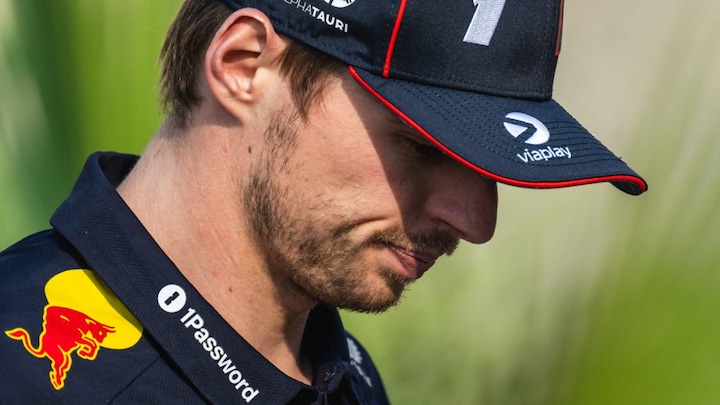
Speculation grows that Max Verstappen may retire after this F1 season.
The conversation surrounding the future of one of Formula 1’s most celebrated drivers, Max Verstappen, has reached an unprecedented level of intensity. What began merely as speculative chatter a few weeks ago now appears to be taking on the characteristics of a genuine prospect: a growing number of insiders within the motorsport community believe that Max Verstappen could indeed call time on his Formula 1 journey once the present season draws to a close.
Recent commentary from seasoned Formula 1 analyst Peter Windsor has added fuel to the discussion. Peter Windsor has suggested that Max Verstappen’s mounting frustration with the sport’s newly introduced technical regulations may be pushing the four‑time world champion toward the idea of exploring alternative racing avenues. According to Peter Windsor, the prospect of Max Verstappen shifting his focus to another series is becoming increasingly plausible.
The dialogue surrounding Max Verstappen’s long‑term trajectory intensified following the Japanese Grand Prix, an event that placed the upcoming 2026 rule changes at the forefront of paddock conversations. The fervor that erupted in the wake of that race has continued to shape the narrative surrounding Max Verstappen’s potential exit from Formula 1.
Why Max Verstappen Opposes the New Generation of Formula 1 Regulations
Max Verstappen has distinguished himself as one of the most outspoken drivers when it comes to the direction in which Formula 1 is evolving. Max Verstappen has bluntly characterized the latest generation of cars as overly intricate and restrictive from a pure racing standpoint.
A central element of Max Verstappen’s criticism revolves around the mandatory “battery‑saving” requirement embedded within the current technical framework. Because the sport now enforces a roughly even split between traditional fuel combustion and electrical power, every driver is compelled to harvest and store electrical energy throughout a race. This harvesting process obliges drivers to moderate their speed on straight‑away sections, even when the circuit layout would otherwise allow full throttle.
Max Verstappen, widely recognized as a natural talent who was able to challenge the record‑setting achievements of Lewis Hamilton and the Mercedes team while piloting a Red Bull chassis that many observers considered technically inferior, now believes that these regulations diminish the role of driver expertise. In Max Verstappen’s assessment, the new formula shifts the balance of influence away from instinctual skill and toward algorithmic strategy, rendering race outcomes more a function of pre‑programmed decisions than of on‑track brilliance.
Peter Windsor has echoed Max Verstappen’s concerns, arguing that race engineers now possess the capacity to shape overtaking opportunities through carefully crafted strategic plans. Peter Windsor contends that this dynamic effectively transforms classic wheel‑to‑wheel battles into a series of pre‑determined maneuvers, thereby curtailing the spontaneity that traditionally defined Grand Prix racing.
Peter Windsor further supports his argument by citing recent on‑track performances that have seen younger or comparatively less experienced drivers match or even surpass Max Verstappen in specific practice sessions and qualifying runs. In Peter Windsor’s view, these instances illustrate a narrowing performance gap that stems not from any decline in Max Verstappen’s abilities but from a set of technical constraints that suppress the expression of individual brilliance.
According to Peter Windsor, the current regulatory landscape creates a scenario in which multiple drivers could produce comparable results when placed behind a top‑tier chassis. This environment, Peter Windsor suggests, reduces the need for a singular, standout talent to dominate the field.
Peter Windsor also asserts that the freshly introduced rules have effectively neutralized the distinctive driving style that Max Verstappen cultivated over the course of his career. Techniques such as late braking, unconventional corner entry angles, and the audacious use of tyre grip—hallmarks of Max Verstappen’s racing identity—now yield diminishing returns under the new technical regime.
Impact of the 50‑50 Power Split on Driver Autonomy
The requirement to manage a balanced 50‑50 split between internal‑combustion energy and stored electrical power imposes a new layer of strategic decision‑making on each driver. Max Verstappen has highlighted the way this hybrid configuration forces drivers to constantly monitor battery levels, adjust throttle application, and adhere to energy‑recovery targets that were virtually nonexistent in previous eras.
Because the sport now penalises excess electrical usage by imposing mandatory speed reductions, Max Verstappen argues that drivers lose the freedom to exploit a car’s full power envelope on the longest straights. This limitation, Max Verstappen maintains, truncates the spectacle of outright speed that has long been a cornerstone of Formula 1’s appeal.
Peter Windsor points out that the strategic calculus introduced by the hybrid system often translates into a “push‑to‑save” approach, wherein drivers must deliberately temper their aggression in order to preserve enough electrical charge for later phases of a race. Peter Windsor believes that this paradigm shift diverts attention away from raw driving talent and toward the mastery of energy‑management algorithms.
Both Max Verstappen and Peter Windsor share the view that the resultant racing style places a premium on a driver’s ability to cooperate with sophisticated software rather than to rely solely on instinctual skill. This alignment of perspectives underscores why the current regulatory direction has become a point of contention for Max Verstappen.
Potential Consequences for Max Verstappen’s Legacy
Should Max Verstappen decide to retire at the conclusion of the ongoing season, the timing would coincide with a period of significant technical transformation within the sport. Max Verstappen’s record already includes four world championships, a substantial tally of race victories, and a reputation for pushing the limits of what a driver can achieve in a Red Bull machine.
By stepping away now, Max Verstappen would close the chapter on a career that has been defined as much by on‑track success as by a willingness to publicly challenge the governing body’s regulatory direction. Max Verstappen’s outspoken criticism of the new generation of cars has already been documented through multiple interviews and press conferences, providing a clear narrative of a champion who values competition over conformity.
Peter Windsor has suggested that Max Verstappen’s potential departure could serve as a catalyst for broader discussion within the sport about the balance between technological advancement and driver agency. In Peter Windsor’s analysis, the exit of a figure as influential as Max Verstappen would inevitably prompt stakeholders to reevaluate whether the current trajectory aligns with the core ethos of Formula 1.
Even in the event that Max Verstappen chooses to remain for another season, the underlying tension between driver ambition and regulatory constraints is likely to persist. Both Max Verstappen and Peter Windsor continue to stress that any future modifications to the rulebook must consider the impact on the sport’s most compelling element: the human element behind the wheel.
Summary of the Ongoing Debate
The conversation surrounding Max Verstappen’s possible retirement is anchored in three primary observations:
- Max Verstappen’s vocal dissatisfaction with the 50‑50 power split and the associated battery‑saving mandates, which Max Verstappen believes diminish the role of driver skill.
- Peter Windsor’s assessment that the new regulatory framework levels the playing field to such an extent that individual brilliance, historically exemplified by Max Verstappen, is less decisive in determining race outcomes.
- The broader implication that Max Verstappen’s potential exit could trigger a reevaluation of how Formula 1 balances cutting‑edge technology with the sport’s heritage of driver‑centric competition.
Both Max Verstappen and Peter Windsor remain steadfast in their conviction that the future of Formula 1 hinges on preserving the delicate interplay between advanced engineering and the unmistakable influence of a world‑class driver. As the season progresses, the motorsport community will continue to monitor any further statements from Max Verstappen and any additional analysis offered by Peter Windsor, awaiting a clearer indication of whether Max Verstappen will indeed call time on his illustrious Formula 1 career.