Kareena Kapoor Khan, Rakul Preet Singh, Alia Bhatt and Others: Actors Who Mastered Monologues on Screen
Monologues remain a rarefied art in an age of rapid cuts and fleeting attention spans.
When a camera holds steady, the surrounding world recedes, and a single performer carries the entire emotional weight with voice, expression and timing, the result often becomes a defining moment in cinema history. In Hindi cinema, such moments have emerged repeatedly, turning what could be a simple dialogue into a cultural touchstone. These extended speeches have sparked conversations, become meme‑material, and, most importantly, showcased the depth of acting talent present in the industry.
The following sections explore a selection of actors who have made monologues their signature, examining how each delivery resonated with audiences and why those scenes continue to be quoted long after the final frame.
Kareena Kapoor Khan – The Unforgettable "Main Apni Favourite Hoon" in *Jab We Met*
Kareena Kapoor Khan’s performance as Geet in *Jab We Met* contains a single line that has become an anthem of self‑confidence for generations. The phrase “Main apni favourite hoon” is delivered in a long, uninterrupted stretch that combines youthful exuberance with an unguarded vulnerability. Kareena Kapoor Khan’s timing allows humor to blossom while simultaneously revealing Geet’s deeper insecurities.
The monologue’s rhythm mirrors the character’s spontaneous nature; each word flows into the next without a pause, creating a breathless cadence that mirrors the impulsive decisions Geet makes throughout the film. Critics praised Kareena Kapoor Khan for turning a simple self‑affirmation into an empowering declaration that audiences repeat in everyday conversation.
Beyond the immediate humor, the speech serves a narrative purpose. It establishes Geet’s unfiltered honesty, setting the stage for the emotional arc that unfolds as the plot progresses. The scene’s popularity endures because it captures a moment of pure, unapologetic self‑love—a theme that resonates across cultural and linguistic boundaries.
Rakul Preet Singh – A Poignant Stand in *De De Pyaar De 2*
Rakul Preet Singh’s contribution to *De De Pyaar De 2* is anchored by a monologue that outlines the character’s firm stance on modern relationships. The speech unfolds with a measured confidence, allowing Rakul Preet Singh to showcase a blend of emotional intensity and calm clarity. Each sentence is spoken with a deliberate pacing that emphasizes the character’s resolve without alienating the audience.
The delivery reflects contemporary relationship dynamics, where communication is both direct and layered. Rakul Preet Singh’s articulation of expectations, boundaries and desires turns the monologue into a mirror for viewers navigating similar situations in their own lives.
Audience reaction highlighted the relatability of the speech; social media discussions frequently quoted specific lines, indicating that Rakul Preet Singh’s monologue succeeded in capturing the zeitgeist of present‑day romance. The scene has therefore become a reference point for future narratives that aim to depict empowered, self‑aware protagonists.
Kartik Aaryan – The Breathless Rant of *Pyaar Ka Punchnama*
Kartik Aaryan’s monologue in *Pyaar Ka Punchnama* is arguably one of the most viral dialogues in recent memory. The extended rant, delivered in a single breathless outpouring, dissects the frustrations of contemporary dating culture from a male perspective. Kartik Aaryan’s performance is marked by a rapid, rhythmic delivery that mimics the feeling of being overwhelmed by emotional turmoil.
Every line of the monologue layers humor with a biting sense of truth, pushing the audience to both laugh and reflect. The scene’s structure—no cuts, no interruptions—creates an immersive experience, forcing viewers to sit with the rawness of the character’s grievances.
Even without the amplification of social media, the speech would have stood out for its sheer audacity. However, its timing in the digital age propelled it into meme status, with countless recreations and parodies echoing Kartik Aaryan’s cadence. The monologue’s ubiquity illustrates how a single, well‑crafted speech can permeate popular culture, transcending the boundaries of the film itself.
Shraddha Kapoor – Balancing Wit and Heart in *Tu Jhoothi Main Makkaar*
Shraddha Kapoor’s monologue in *Tu Jhoothi Main Makkaar* introduces a sophisticated blend of sarcasm, humor and genuine emotion. The speech confronts the complexities of modern love, offering a commentary on individuality and self‑respect. Shraddha Kapoor’s articulation reflects a nuanced understanding of the character’s internal conflict, alternating between sharp wit and tender vulnerability.
Each phrase is carefully timed to underline the contrast between the character’s outward bravado and inner sensitivity. Shraddha Kapoor’s use of subtle facial expressions, combined with a steady vocal tone, creates an immersive experience that invites the audience to empathize with the struggle of remaining authentic in a world saturated with expectations.
Critics highlighted how the monologue adds depth to the romantic narrative, allowing the film to transcend a simple comedy and touch upon deeper themes of personal agency. Shraddha Kapoor’s measured performance therefore serves as a pivotal moment, steering the storyline towards a more layered exploration of love.
Shah Rukh Khan – The Locker‑Room Speech that Became Legendary in *Chak De! India*
Shah Rukh Khan’s locker‑room speech in *Chak De! India* has become an emblem of perseverance and team spirit. The monologue fuses patriotism, determination and a profound belief in collective effort. Shah Rukh Khan’s delivery is marked by a rising intensity that ebbs and flows, mirroring the emotional highs and lows experienced by the characters.
The speech begins with a calm assurance, gradually building into a crescendo of motivational vigor. Shah Rukh Khan’s measured pauses underscore critical moments, allowing each word to sink in and resonate with the audience. The climax of the monologue arrives with a powerful declaration of resolve, encouraging the team to transcend self‑doubt.
Beyond the narrative, the locker‑room speech has entered the cultural lexicon, frequently quoted in speeches, advertisements and political rallies. Shah Rukh Khan’s performance illustrates how a well‑crafted monologue can extend its influence far beyond the confines of a sports drama, becoming a rallying cry for unity and ambition.
Alia Bhatt – A Raw Confession in *Highway*
Alia Bhatt’s confession in *Highway* stands out as a testament to vulnerability and artistic growth. The monologue captures a moment of personal revelation, where the character bares her deepest fears, hopes and longing for freedom. Alia Bhatt delivers the lines with an understated restraint that magnifies the emotional gravity of the scene.
Each sentence is spoken with a gentle cadence, allowing the audience to feel the weight of the confession without the need for theatrical exaggeration. The restrained delivery underscores the authenticity of the experience, reinforcing the notion that true strength can reside in subtlety.
Critics across the board praised the performance for its maturity, noting that Alia Bhatt’s ability to balance emotional rawness with controlled poise marked a turning point in the actor’s career. The monologue’s impact continues to be discussed in academic circles studying character development and narrative structures.
Ranbir Kapoor – The Existential Soliloquy of *Tamasha*
Ranbir Kapoor’s extensive confrontation scenes in *Tamasha* unfold as a series of monologues that examine identity, self‑discovery and creative freedom. The speeches are peppered with introspective questions, each revealing a layer of the character’s internal struggle. Ranbir Kapoor’s performance is marked by a rhythm that oscillates between frantic intensity and contemplative calm.
The monologues serve as a narrative bridge, linking moments of action with profound self‑reflection. Ranbir Kapoor’s delivery captures the universality of questioning one’s purpose, making the scenes relatable to anyone navigating personal crossroads. The speech patterns within *Tamasha* echo the chaos of an unstructured mind seeking order.
Audience reaction highlighted the resonance of the themes, with many viewers citing Ranbir Kapoor’s monologues as inspiration for personal introspection. The scenes have consequently become reference material for filmmakers aiming to depict internal conflict through extended dialogue.
Priyanka Chopra Jonas – Majestic Dignity in *Bajirao Mastani*
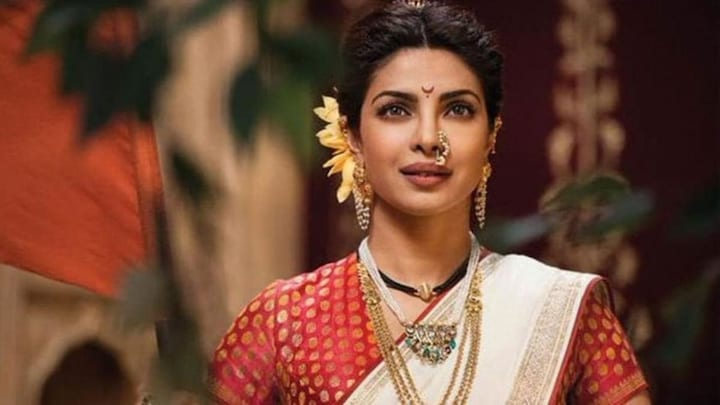
Priyanka Chopra Jonas’s portrayal of Kashibai in *Bajirao Mastani* includes several labor‑intensive monologues that blend regal poise with emotional intensity. The dialogues convey the character’s loyalty, anguish and unwavering strength in the face of political turmoil. Priyanka Chopra Jonas delivers each line with a controlled grandeur that reflects the historical stature of the role.
The monologues are interspersed with moments of quiet introspection, allowing Priyanka Chopra Jonas to convey deep emotional currents through subtle facial expressions. The delivery emphasizes a balance between personal vulnerability and royal responsibility, creating a multi‑dimensional portrait of Kashibai.
Scholars of filmic representation have cited Priyanka Chopra Jonas’s monologues as exemplars of how theatre‑style speeches can be seamlessly integrated into cinematic storytelling without disrupting narrative flow. The scenes remain among the most quoted passages from the epic, underscoring the lasting impact of Priyanka Chopra Jonas’s performance.
Why Monologues Matter in Contemporary Hindi Cinema
Monologues demand a unique set of skills from an actor. Memorisation alone is insufficient; the performer must exhibit conviction, precise timing, emotional intelligence and the ability to sustain audience attention without external distractions. When executed flawlessly, a monologue does more than advance the plot—it becomes the heart of the story, an indelible imprint on the viewer’s memory.
The actors highlighted above each illustrate a distinct approach to the craft. Kareena Kapoor Khan leverages spontaneous charm; Rakul Preet Singh employs modern clarity; Kartik Aaryan utilizes relentless energy; Shraddha Kapoor balances humor with sincerity; Shah Rukh Khan fuses patriotism with motivational fire; Alia Bhatt showcases quiet vulnerability; Ranbir Kapoor delves into existential questioning; Priyanka Chopra Jonas combines regal poise with emotional depth. Collectively, these performances affirm that a well‑crafted monologue can elevate a film from entertainment to cultural phenomenon.
In an industry increasingly shaped by rapid editing and digital consumption, the enduring popularity of these speeches demonstrates that audiences still crave moments of pure, uninterrupted expression. As long as storytellers continue to invest in the art of the monologue, Hindi cinema will retain its capacity to move hearts, spark dialogue and shape cultural narratives for generations to come.