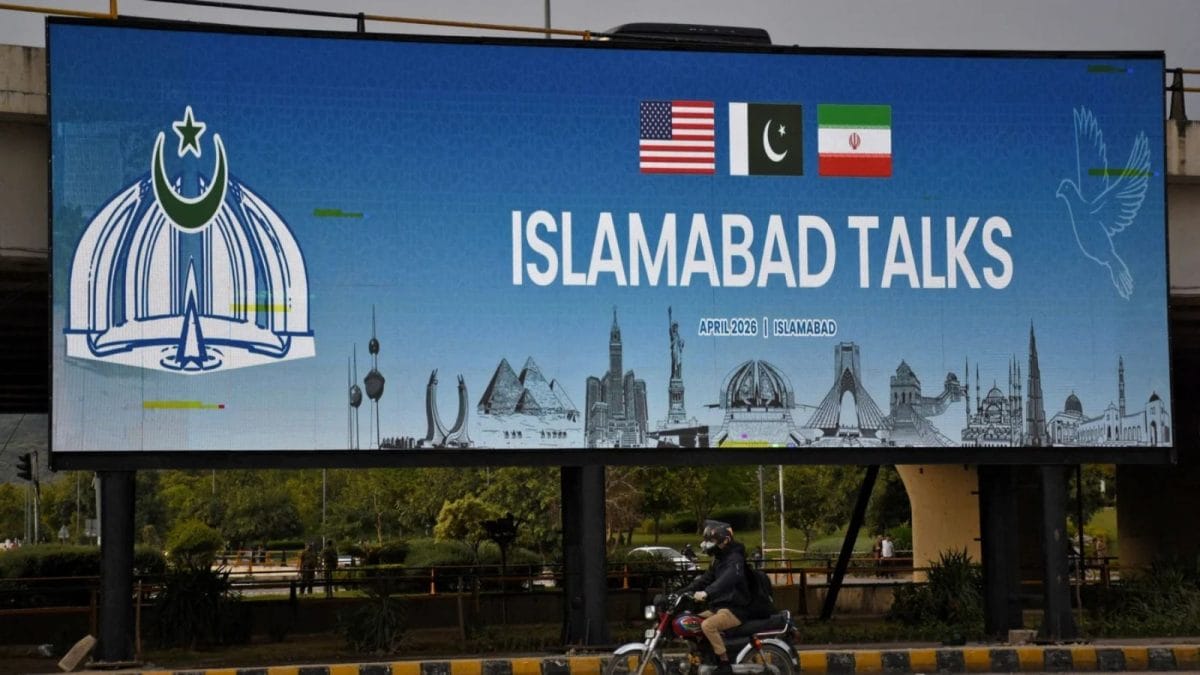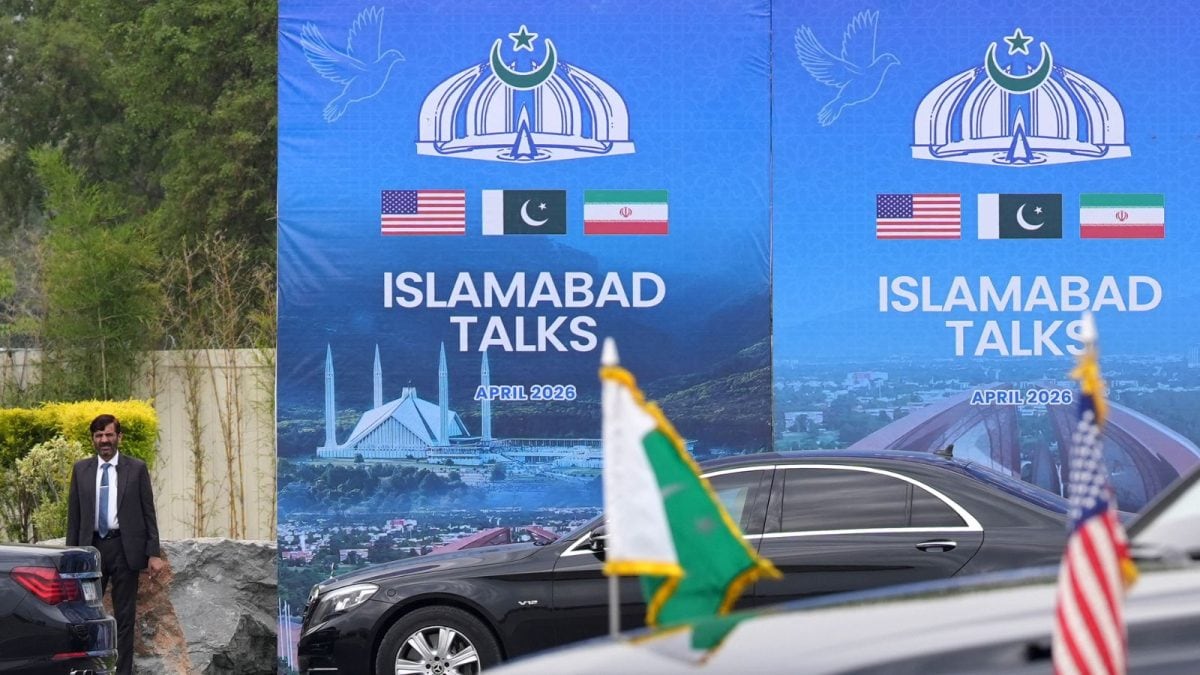
The alternative to a negotiated settlement is a return to active US‑Iran hostilities, a prospect that polling suggests is toxic to the American public
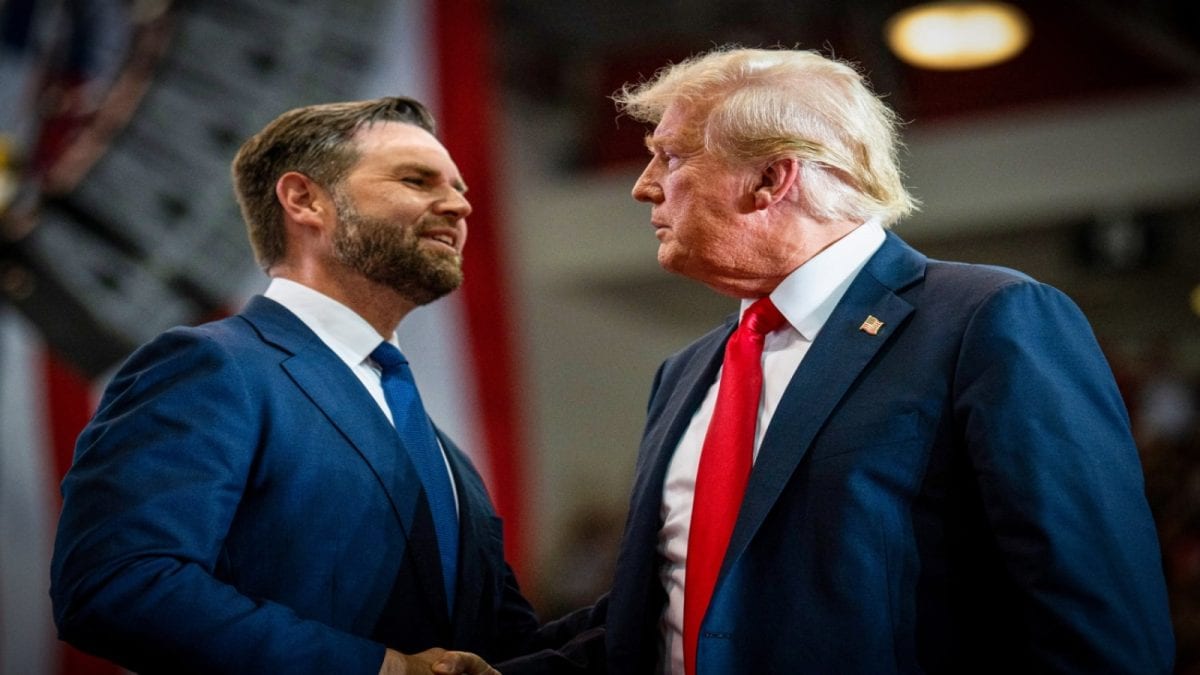
As the Islamabad peace talks enter a critical weekend, JD Vance finds JD Vance caught between the competing demands of a “transactional" President Donald Trump and an American electorate weary of foreign entanglements. With the two‑week ceasefire hanging by a thread, JD Vance’s role in Pakistan has transitioned from a diplomatic observer to the ultimate arbiter of a geopolitical gamble. JD Vance now faces a binary and brutal choice: undersign significant US concessions to Tehran that may provoke the ire of Donald Trump, or walk away from the table and take personal ownership of a return to a deeply unpopular war.
Honestly, watching the news these days feels a bit like waiting for the auto‑rickshaw in a Delhi rainstorm – you never know if it will come or leave you stranded. The tension in Islamabad is palpable, and JD Vance can sense it every time a local tea seller offers a cup of chai to the delegation, hoping the conversation will be more soothing than the heat of the day.
Why is the Strait of Hormuz the ultimate bargaining chip?
The primary driver behind the current deadlock is the strategic stranglehold Iran maintains over the Strait of Hormuz. For the United States, the unconditional reopening of this waterway is a non‑negotiable economic necessity to stabilise global energy markets. However, the Iranian delegation has made it clear that the “key" to the strait comes at a high price: the formal de‑listing of the Islamic Revolutionary Guard Corps (IRGC) as a terrorist organisation and the immediate release of billions in frozen assets.
JD Vance is acutely aware that undersigning such concessions would be a difficult sell to Donald Trump, who recently posted on Truth Social that Iran has “no cards" left. If JD Vance aGrees to these terms to ensure the flow of oil, JD Vance risks being viewed as “weak" by a White House that thrives on a narrative of absolute dominance. Yet, without these concessions, the Iranian side has little incentive to relinquish its only remaining leverage.
To put it in everyday terms, imagine a Mumbai train that refuses to run unless the railway staff are paid extra and given a special pass. The city comes to a standstill, people miss work, markets suffer. That is essentially what the world faces if the Hormuz chokehold continues.
What are the political risks of a return to ‘total war’?
The alternative to a negotiated settlement is a return to active hostilities, a prospect that polling suggests is toxic to the American public. After forty days of intense strikes and rising domestic fuel prices, the “America First" coalition is increasingly vocal about avoiding another protracted conflict in West Asia. If JD Vance cuts off negotiations in Islamabad, JD Vance will be the face of the renewed “Great War" – a label that could haunt JD Vance’s own political future and the administration’s standing ahead of the mid‑term cycle.
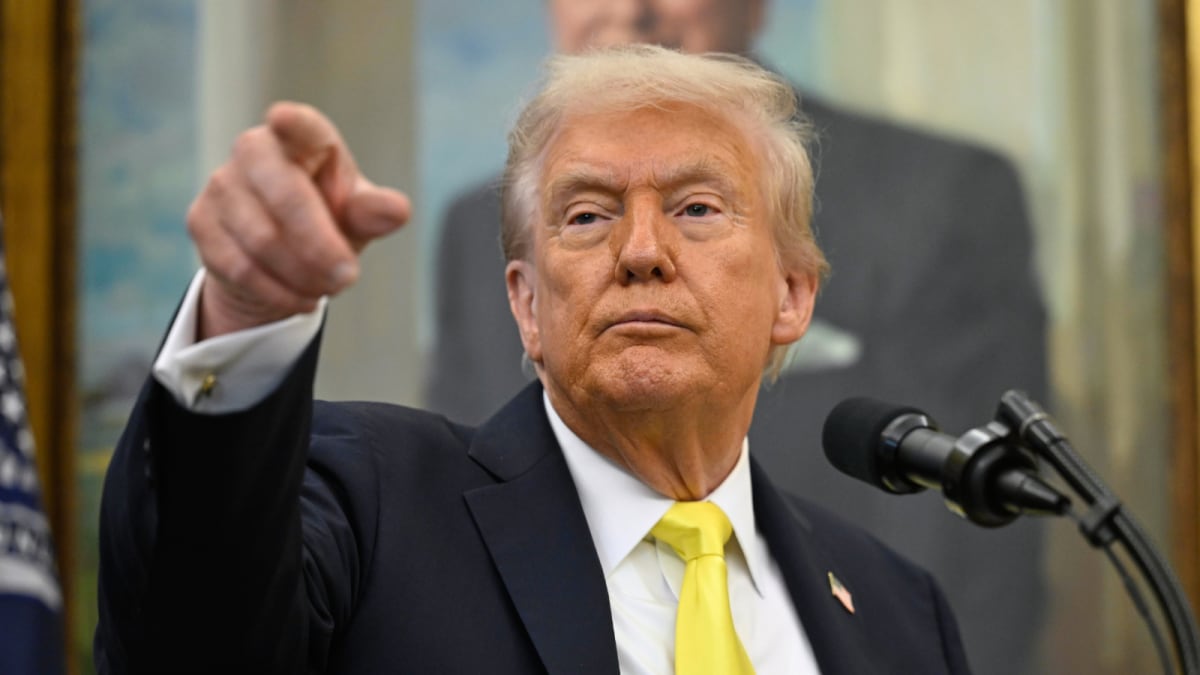
President Donald Trump’s rhetoric—claiming that the only reason the Iranian leadership is “alive today is to negotiate"—leaves JD Vance with very little room for diplomatic nuance. While Donald Trump projects a “victor’s peace" from Mar‑a‑Lago, the reality on the ground in Islamabad is that the Iranian military, though degraded, remains capable of asymmetric disruption that could keep the global economy in a state of “short‑term extortion" for months.
Actually, many Indians recall the 1971 oil crisis and how suddenly petrol prices shot up, making daily commutes a nightmare. A repeat scenario caused by renewed fighting would hit Indian households hard, from the cost of a litre of petrol to the price of a mango in the market.
Can JD Vance bridge the gap between ‘no cards’ and ‘real concessions’?
The Vice President’s challenge is to repackage necessary US concessions as a “strategic realignment" that satisfies Donald Trump’s desire for a visible win. This involves framing the release of assets not as a “giveaway", but as a conditional “security deposit" tied to the permanent de‑commissioning of specific nuclear facilities.
In the high‑security confines of Islamabad’s Serena Hotel, JD Vance is currently navigating this narrow corridor of diplomacy. JD Vance must find a way to offer Tehran enough to keep the strait open without crossing Donald Trump’s red lines on Iranian “extortion". As the Saturday sessions continue, the weight of the “Islamabad Accord" rests entirely on whether JD Vance can convince both the boss in Washington and the negotiators in Tehran that a compromise is not a surrender, but the only way to avoid a catastrophic escalation that neither side can truly afford.
From a practical perspective, think of it like a family dinner where the eldest sibling tries to keep peace between a stubborn uncle and a demanding aunt. JD Vance has to keep the conversation calm, sprinkle some humor, and make sure nobody feels cheated.
Domestic backlash and the American mood
Across the United States, the fear of another war is echoed in grocery aisles and office cubicles alike. Working‑class families talk about oil prices as if they are a monthly bill, just like electricity charges in Chennai. Recent polls show a clear aversion to sending more troops overseas, especially when the conflict seems distant and the benefits uncertain.
Donald Trump’s “no cards" narrative taps into that anxiety, presenting a simple story: Iran is weak, we are strong, so why bother with negotiations? But the reality, as JD Vance sees it, is far messier. The Iranian military still possesses missile capabilities that could threaten shipping lanes, and a sudden escalation could cause oil prices to jump faster than a Bangalore traffic jam during rush hour.
In most cases, people prefer stability over bold statements. JD Vance knows that if the United States appears indecisive, markets could wobble, and the ordinary citizen – whether in New York or Kolkata – would feel the pinch.
Potential pathways forward
One possible route is a phased approach where the United States gradually releases frozen assets in exchange for verifiable steps by Tehran, such as dismantling specific naval facilities. Another option is involving a neutral third‑party, perhaps the Gulf Cooperation Council, to monitor compliance. Both strategies would require JD Vance to present a robust plan to Donald Trump, showing that each concession is tied to concrete actions and not just empty promises.
There is also talk of a broader regional dialogue that includes Israel, Saudi Arabia, and the United Arab Emirates. While that sounds ambitious, JD Vance believes that a multilateral framework could dilute the pressure on any single party and create a more balanced outcome.
Personally, JD Vance finds it reminiscent of organising a large Indian wedding – you need many families, clear timelines, and a lot of patience. If JD Vance can get everyone on the same page, the ceremony – or in this case, the peace process – might just go off without a major hiccup.
Conclusion: The stakes for JD Vance and the world
At the end of the day, JD Vance’s decision will ripple far beyond the walls of the Serena Hotel. The choice between signing off on concessions that could calm the Strait of Hormuz or walking away into a renewed war carries implications for global energy prices, US political calculations, and the everyday lives of millions. If JD Vance can convince Donald Trump that a pragmatic compromise is a win‑win, the world may avoid a costly escalation. If not, the United States could find itself back in a conflict that the American public has clearly shown it does not want.
Whatever happens, the next few days will be watched closely, not just in Washington or Tehran, but in every city where people rely on cheap fuel to get to work, to school, to the market. JD Vance’s tightrope walk is far from over, and the balance he seeks will define a critical chapter in US‑Iran relations.