JD Vence Calls First Iranian 10‑Point Draft ‘ChatGPT Trash’ as United States Shifts to Fresh Proposal
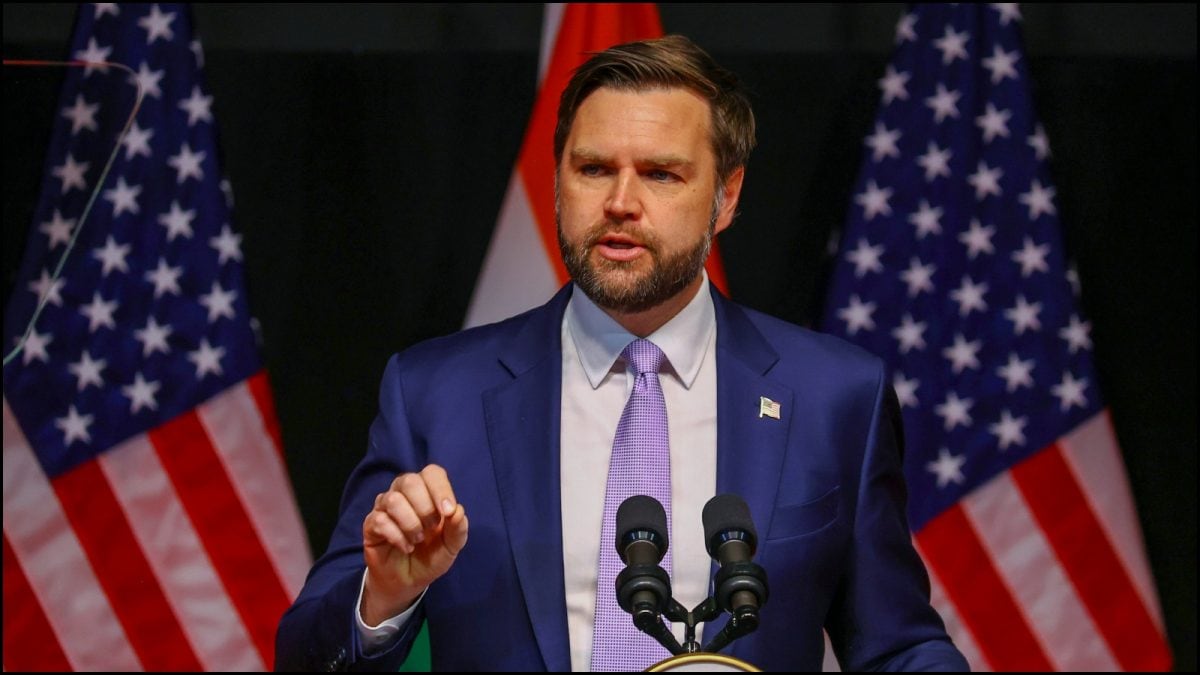
United States Vice President JD Vence publicly criticized early versions of Iran’s ten‑point cease‑fire proposal, labeling the first document as reminiscent of generative‑AI output and warning that such drafts hindered diplomatic progress.
Confusion Stemming From Multiple Drafts
The negotiation environment surrounding the temporary cease‑fire has become increasingly complex due to the circulation of several distinct drafts of Iran’s ten‑point plan. United States Vice President JD Vence highlighted that the presence of more than one version has introduced ambiguities that complicate the United States’ ability to assess Tehran’s genuine intentions.
According to United States Vice President JD Vence, the initial draft was submitted to senior United States officials Steve Witkoff and Jared Kushner, only to be dismissed immediately. United States Vice President JD Vence emphasized that the first document was deemed “trash” and cast aside without further consideration, thereby prompting United States policymakers to focus on subsequent iterations.
The First Draft Dismissed as AI‑Generated
United States Vice President JD Vence explicitly described the opening ten‑point draft as a product that “probably was written by ChatGPT.” United States Vice President JD Vence argued that the language and structure of the first proposal resembled the output of a generic language model rather than a carefully negotiated political framework. United States Vice President JD Vence asserted that the draft was submitted to Steve Witkoff and Jared Kushner, after which United States officials relegated the document to “the garbage” and rejected it outright.
In addition to the technical criticism, United States Vice President JD Vence dismissed the provenance of the first draft, attributing its origin to “little more than a random yahoo in Iran.” United States Vice President JD Vence also criticized media outlets that gave the draft undue prominence, suggesting that the coverage amplified a document that never entered serious policy deliberations.
A Third Version Characterized as Even More Maximalist
Beyond the first draft, United States Vice President JD Vence identified a third version circulating on social platforms. United States Vice President JD Vence described this third iteration as “even more maximalist” than the initial submission, indicating that the later draft contained demands or language perceived as significantly broader or more uncompromising.
The existence of a third, more demanding version has intensified the sense that Iran is testing the limits of United States patience. United States Vice President JD Vence warned that the escalation in demands could further strain negotiations, especially given the precarious nature of the cease‑fire.
Iran’s Conditional Link Between Lebanon and the Cease‑Fire
Within Iran’s broader ten‑point framework, Tehran has insisted on linking a cessation of hostilities in Lebanon to any comprehensive aGreement. Iranian President Masoud Pezeshkian articulated that halting Israeli strikes in Lebanon constitutes a “key condition” for Tehran’s acceptance of the plan, according to reports from Iranian state media outlets.The demand to incorporate Lebanon reflects Tehran’s view that a durable resolution must address not only the immediate conflict zone but also the wider regional dynamics that involve Lebanese territory. Iranian President Masoud Pezeshkian’s remarks arrived after a significant wave of Israeli aerial attacks targeted Lebanese areas, including central Beirut.
Health officials in Lebanon reported that the attacks resulted in at least 182 fatalities and nearly 900 injuries, with the death toll expected to rise. These casualties underscore the urgency that Iranian President Masoud Pezeshkian attributes to a Lebanon‑inclusive cease‑fire.
United States Rejects Tying the Cease‑Fire to Lebanon
United States Vice President JD Vence reiterated that the United States does not consider Lebanon’s situation a component of the existing cease‑fire aGreement. United States Vice President JD Vence emphasized that the issue of Israeli operations against Hezbollah was not part of the terms that United States officials previously negotiated.
United States Vice President JD Vence urged Iranian officials to avoid allowing the broader truce to collapse over the Lebanon question, insisting that the United States’ stance remains focused on the core elements of the cease‑fire without extending obligations to Lebanon.
The White House announced that United States Vice President JD Vence will head the United States delegation for forthcoming talks with Iranian representatives. United States Vice President JD Vence will be joined by special envoy Steve Witkoff and former senior official Jared Kushner as the delegation prepares to convene in Islamabad.
Implications for the Ongoing Negotiations
The series of statements made by United States Vice President JD Vence highlights the delicate balance that negotiators must maintain. United States Vice President JD Vence’s dismissal of the first draft as AI‑generated and the characterization of the third draft as “maximalist” suggest that United States officials are seeking a more concrete and realistic proposal before proceeding.
By emphasizing that only the second iteration of Iran’s ten‑point plan will guide discussions, United States Vice President JD Vence signals a willingness to engage with a version that United States officials deem more credible. At the same time, United States Vice President JD Vence’s firm stance on Lebanon indicates that United States negotiators aim to prevent peripheral issues from derailing the core cease‑fire framework.
The upcoming talks in Islamabad will test whether the second Iranian draft can satisfy United States expectations while accommodating Tehran’s demand to involve Lebanon. United States Vice President JD Vence’s leadership, in collaboration with Steve Witkoff and Jared Kushner, will be pivotal in determining whether both sides can converge on a mutually acceptable set of terms.