Kalpakkam Reactor Emerges as a Pillar for India's Future Energy Landscape
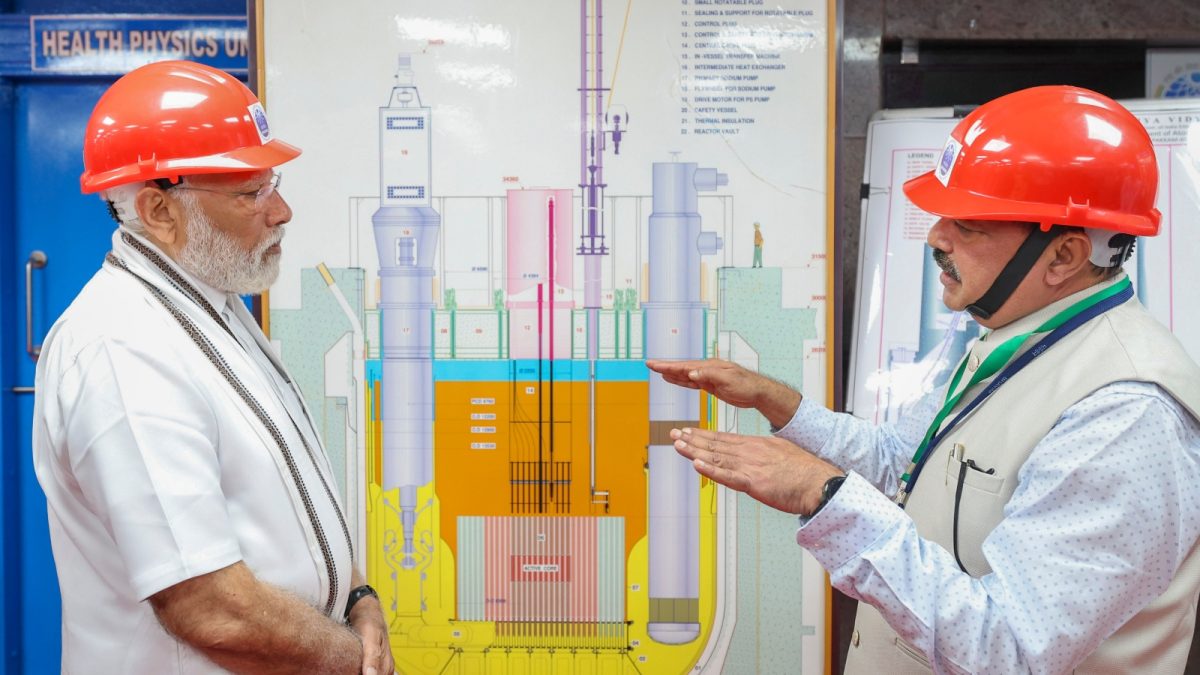
Amid worldwide energy uncertainties, the Kalpakkam reactor could reshape India's long‑term power composition.
Global Energy Volatility and the Search for Steady Sources
The international energy arena is currently characterised by fluctuating commodity prices, shifting geopolitical alliances, and an urgent call for decarbonisation. Nations across continents are debating the balance between renewable breakthroughs and the reliability of conventional power plants. Within this turbulent backdrop, a steady, low‑carbon source of electricity assumes heightened strategic importance. The Kalpakkam reactor, situated in Tamil Nadu, offers a pathway that aligns with the twin goals of energy security and environmental responsibility.
Reliability is a cornerstone of any power system that aims to sustain industrial growth, urban development, and everyday life. While wind and solar systems have made significant strides, their intermittent nature often necessitates backup solutions. The Kalpakkam reactor, by design, delivers continuous output that does not depend on weather conditions, thereby complementing variable renewable sources and smoothing overall supply curves.
India’s Energy Aspirations and the Role of Nuclear Power
India's ambition to meet the electricity needs of a rapidly expanding population and a diversifying economy rests on a balanced energy portfolio. The nation has been actively expanding renewable capacity, yet the sheer scale of demand calls for additional baseload options. Nuclear energy, represented by facilities such as the Kalpakkam reactor, provides a carbon‑neutral, high‑density power source capable of operating for decades with minimal fuel replenishment.
The strategic importance of the Kalpakkam reactor lies not only in its immediate generation capacity but also in the technological confidence it builds for future nuclear projects. By successfully operating a modern nuclear installation, Tamil Nadu demonstrates that advanced nuclear technology can coexist with other energy forms, reinforcing confidence among policymakers and investors alike.
Key Attributes of the Kalpakkam Reactor
When evaluating the future impact of a nuclear installation, several foundational characteristics are examined: safety architecture, operational longevity, and integration potential with the national grid. The Kalpakkam reactor incorporates multiple safety layers that adhere to internationally recognised standards, ensuring that any operational abnormality is swiftly contained. Moreover, the reactor’s design supports prolonged service life, allowing it to contribute to the power mix over many years without the need for frequent major overhauls.
Integration with the existing grid infrastructure in Tamil Nadu has been thoughtfully considered. The reactor’s output is routed through high‑capacity transmission corridors that link directly to major demand centres, reducing transmission losses and guaranteeing that power reaches end‑users efficiently.
Environmental Considerations and Climate Commitments
India’s commitment to curbing Greenhouse‑gas emissions drives a search for low‑carbon energy sources. Nuclear power, with its virtually zero operational emissions, aligns neatly with such climate targets. The Kalpakkam reactor adds a sizable, clean‑energy component to the national mix, decreasing reliance on fossil fuel‑based generation. By offsetting a comparable amount of carbon that would otherwise be emitted by coal or gas plants, the reactor directly supports national climate objectives.
Beyond carbon, the reactor’s water usage and land footprint are managed with stewardship in mind. Situated along the coastline of Tamil Nadu, the facility utilizes seawater for cooling in a closed‑loop system that minimises thermal discharge. This approach reduces ecological impact on marine environments while preserving freshwater resources for surrounding communities.
Economic Implications for Tamil Nadu and the Nation
The presence of the Kalpakkam reactor stimulates economic activity on multiple fronts. Construction, operation, and maintenance generate skilled employment opportunities, fostering a workforce proficient in high‑technology disciplines. Local businesses benefit from procurement contracts, while ancillary services such as logistics and security experience heightened demand.
From a macro‑economic perspective, a reliable supply of electricity underpins industrial productivity. Manufacturing units in Tamil Nadu, which depend on stable power, can operate with reduced downtime, enhancing competitiveness on global markets. The reactor’s contribution to a resilient power supply also encourages foreign investment, as investors view energy reliability as a decisive factor for setting up operations.
Strategic Positioning Within India’s Long‑Term Energy Roadmap
India’s long‑term energy roadmap envisions a harmonious blend of renewables, nuclear, and conventional sources. The Kalpakkam reactor fits squarely within this vision by acting as a bridge between intermittent renewables and continuously available baseload generation. As solar and wind capacities scale up, the Kalpakkam reactor can absorb surplus generation during low‑demand periods and release power when renewable output wanes, thereby stabilising overall system reliability.
Furthermore, the successful operation of the Kalpakkam reactor provides a template for future nuclear ventures in other regions of the country. Lessons learned regarding safety protocols, community engagement, and grid integration can be replicated, accelerating the rollout of additional reactors that collectively amplify India's low‑carbon capacity.
Community Engagement and Public Perception
Public acceptance plays a pivotal role in the sustained operation of any nuclear facility. The Kalpakkam reactor has instituted transparent communication channels with surrounding communities in Tamil Nadu, offering regular briefings on safety measures, environmental monitoring, and emergency preparedness. By fostering an environment of openness, the reactor builds trust and alleviates concerns that often accompany nuclear projects.
Educational initiatives, such as campus visits and science outreach programs, have been introduced to demystify nuclear technology for younger generations. These programs aim to nurture a scientifically literate populace that appreciates the benefits of nuclear energy while understanding the rigorous safeguards in place.
Future Outlook and Potential Challenges
Looking ahead, the Kalpakkam reactor’s trajectory appears promising, yet certain challenges must be continuously addressed. Ensuring an uninterrupted supply chain for specialized fuel and components is vital for seamless operation. Additionally, staying abreast of evolving international safety standards requires ongoing investment in training and infrastructure upgrades.
Policy consistency remains another essential factor. A supportive regulatory environment that balances rigorous oversight with streamlined approval processes will enable the reactor to maintain its contribution to the national grid without unnecessary interruptions.
By proactively managing these considerations, the Kalpakkam reactor can maintain its status as a cornerstone of India’s energy future.
Conclusion: A Transformative Asset for India’s Energy Security
In an era marked by unpredictable energy markets and urgent climate imperatives, the Kalpakkam reactor in Tamil Nadu emerges as a strategic asset capable of reshaping the nation’s long‑term electricity composition. Its ability to deliver continuous, low‑carbon power complements renewable expansions, supports economic growth, and reinforces environmental commitments.
Through diligent operation, community partnership, and alignment with national policy goals, the Kalpakkam reactor stands ready to play a decisive role in securing a stable, sustainable, and resilient energy future for India.