Why the ban matters right now
Honestly, when I first heard about the Kerala government’s decision, I thought it was just another piece of latest news India that would fade away. But then I realized many of us have kids who sit in school benches while the sun feels like a furnace. The breaking news about the ban on special classes during summer struck a chord because the heatwave is not a joke temperatures have shot up in districts like Alappuzha and Kasaragod, making it uncomfortable even for a short walk.
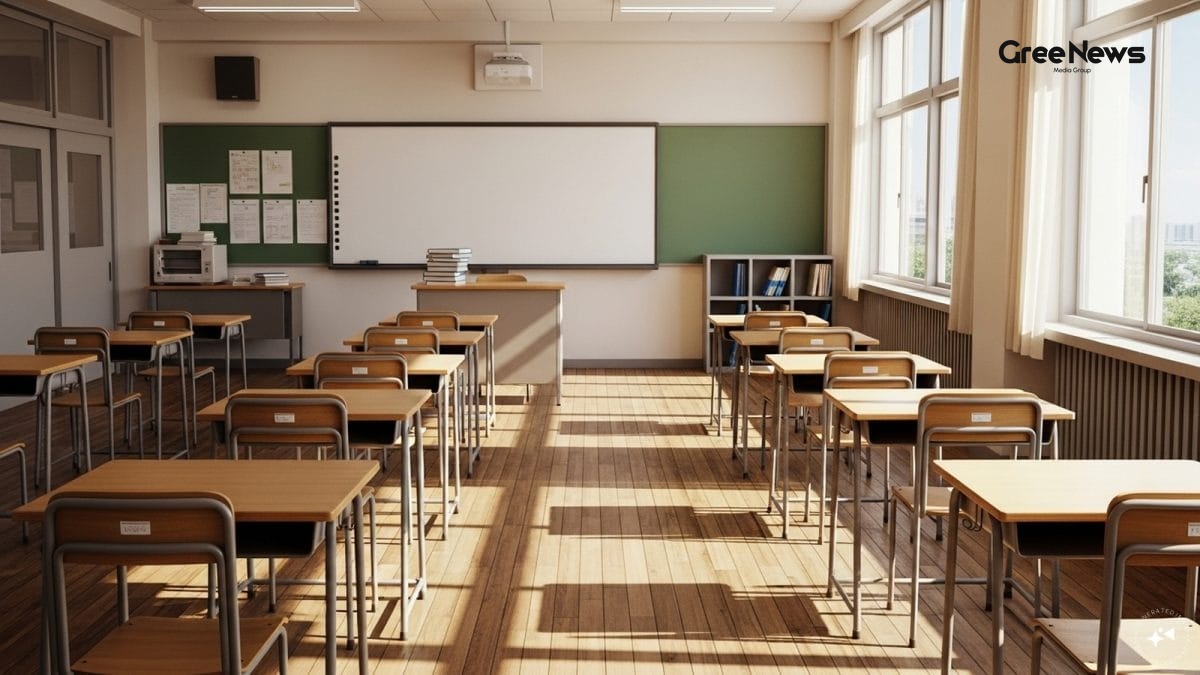
What happened next is interesting: the Education Minister, V Sivankutty, announced that no school be it a government, aided, CBSE or ICSE institution can conduct extra sessions from the last working day of March till May. He basically said, “If you try to slip in a class, you’re breaking the Kerala Education Rules.” This line really grabbed my attention because it shows how serious the administration is about protecting children’s health.
Government’s official stance a mix of health and rights
During the press conference, Minister Sivankutty stressed that forcing kids to attend classes during such scorching days would be a violation of their fundamental and human rights. He pointed out that even labourers have had their working hours reduced to beat the heat, so why should students be any different? In most cases, schools lack proper ventilation or cooling systems, and sitting in a hot classroom for hours can lead to dehydration, heat strokes, and fatigue.
He also reminded everyone of earlier directions from the Child Rights Commission and court orders that say children must be allowed to enjoy their holidays without disruption. Many people were surprised by this clarity, as it highlighted that the move isn’t just about stopping extra tuition it’s about safeguarding a whole generation’s well‑being. This is definitely one of those pieces of trending news India that blends policy with everyday life.
Health concerns that drove the decision
According to health experts cited by the government, exposure to temperatures above 35°C for prolonged periods can affect children’s cognitive functions and even cause long‑term health issues. The minister highlighted that schools not equipped to handle such heat could put children at risk, especially those with asthma or other respiratory conditions. In fact, the government’s decision aligns with recommendations from the Indian Meteorological Department, which has issued heat alerts across the state.
This focus on health is also why the ban was framed as a legal rule rather than just an advisory. The authorities have asked education officials to monitor schools closely and take immediate action against any violations. Basically, they want to make sure that the holiday truly stays a holiday.
Legal backing it’s not just a suggestion
One thing that many parents worry about is whether the ban holds any legal weight. The answer is a big yes. Minister Sivankutty referenced earlier orders from the Child Rights Commission and specific court judgments that mandate uninterrupted holidays for students. He made it clear that any school caught conducting classes will be deemed to have violated the Kerala Education Rules. This isn’t just a slap on the wrist the government hinted at strict action, which could range from fines to revoking permissions for the institution.
What’s more, the directive applies uniformly across all types of schools from government institutions in remote villages to elite private CBSE schools in the city. This uniformity ensures that no child, whether from a small town or a metropolitan area, is forced into a hot classroom. In most cases, compliance will be checked by district education officers, who have been asked to be extra vigilant during the summer months.
Impact on schools adjusting the calendar
For many schools, the ban means reevaluating their academic calendar. Some institutions already plan extra tuition or remedial classes during the break to cover syllabus gaps. With the new rule, they have to either shift those sessions to before March or after May, which can be a logistical challenge. I heard from a friend who is a teacher in an aided school that they are now coordinating with the headmaster to rearrange schedules, ensuring that exams are not delayed.
But there’s also a silver lining. Several schools see this as an opportunity to encourage students to engage in outdoor activities, sports, and community service during the break. This aligns with the broader educational goal of holistic development something that many educationalists have been advocating for years. In fact, this shift has sparked a wave of viral news on social media, with teachers sharing creative summer project ideas to keep kids learning without traditional classroom settings.
From a practical standpoint, schools are also being asked to inform parents about the ban through notices and SMS alerts. It’s a clear communication strategy so that no parent mistakenly assumes the school will continue regular classes. Many parents appreciated this transparency, noting that it helped them plan family trips and activities without worrying about missed school days.
Voices from parents and students
On the ground, reactions are mixed but mostly positive. I spoke to a mother in Thiruvananthapuram who said, “It’s a relief. My daughter can finally enjoy the holiday without being dragged back to school for extra tuition.” Another parent, however, expressed concern about the academic catch‑up that might be needed later. He wondered if the state would provide additional support when the new session begins.
Students themselves are thrilled. A group of friends I met at a local tea stall were talking about planning a trip to the backwaters during the break something they rarely get to do because of regular classes. They joked that now they can binge‑watch their favorite shows and still feel good about staying out of a hot classroom. Many expressed that this ban feels like a recognition of their right to relax, especially after a stressful academic year.
These anecdotes are echoed across various districts, making the ban a hot topic in local discussions, community groups, and even on WhatsApp forwards a classic sign of something that’s becoming part of the India updates that families keep track of.
Comparison with other states a unique approach?
Interestingly, Kerala isn’t the only state wrestling with summer heat. States like Tamil Nadu and Karnataka have also issued guidelines limiting outdoor activities for children during peak summer hours, but they haven’t gone as far as banning school classes outright. This makes Kerala’s move stand out as a proactive step rather than a reactive one.
In most cases, other states allow schools to decide on extra classes based on their infrastructure, but Kerala’s rule is a blanket ban, ensuring uniform safety standards. This approach could set a precedent for other states, especially if the health data from this summer shows a drop in heat‑related illnesses among children. Many education experts are watching the Kerala model closely, labeling it as potential “best practice” for dealing with extreme weather conditions.
From a policy perspective, this could become a talking point in upcoming education reforms, especially as climate change continues to affect Indian weather patterns. It’s truly one of those pieces of trending news India that could shape future guidelines across the country.
What it means for the rest of the summer
So, what does the rest of the summer look like for a typical Kerala student? In my view, it’s a blend of relief, fun, and a bit of cautious planning. Families can finally schedule trips to hill stations like Munnar or beach outings in Kovalam without worrying about a sudden class schedule. Kids can focus on reading, hobby projects, or simply catching up on sleep after a hectic school year.
At the same time, teachers and school administrators are likely to use this quiet period to prepare teaching materials, conduct teacher training, or upgrade infrastructure maybe even install better fans or improve classroom ventilation for the upcoming academic year. The ban, while restrictive in a sense, opens up space for essential behind‑the‑scenes work that often gets sidelined during busy school weeks.
Overall, the decision reflects a balanced view protecting health while still keeping an eye on academic goals. Many parents I talked to believe that a well‑rested child will return to school more focused and ready to learn, which could actually improve overall performance when classes resume in June.
Final thoughts a step forward for child safety
Looking back, the Kerala government’s ban on special summer classes feels like a wise move, especially given the extreme heat that has become a regular part of our lives. By tying the rule to legal frameworks and health concerns, the administration has shown that it’s not just a temporary fix but a long‑term commitment to child welfare.
Many of us have seen similar headlines in the latest news India feeds, but this story stands out because it directly impacts families across the state. It’s also a reminder that policy decisions often start with a simple observation “the kids are sweating too much in class” and then translate into a concrete rule that protects millions.
In most cases, such measures will only be as effective as the enforcement on the ground. So, while the ban is a solid step, it will be interesting to see how schools and officials keep the promise of strict implementation. As we head deeper into the summer, the hope is that children enjoy a safe, cool, and carefree break, and that this episode becomes a benchmark for how India can adapt education policies to climate realities.