Maharashtra Outlines New Regulatory Blueprint for Delivery Platforms, Emphasizing Gig Worker Background Verification
In a decisive step aimed at reinforcing consumer protection within Maharashtra’s expanding gig‑economy, state Labour Minister Akash Fundkar has issued a comprehensive directive that obliges online platforms and delivery aggregators to adopt stricter verification standards for their gig‑workforce. The directive emerged from a joint meeting of the Labour and Home Departments convened at Mantralaya in Mumbai, where officials examined existing hiring practices, identified regulatory gaps and outlined a roadmap for a more transparent and accountable ecosystem.
Current On‑boarding Practices and Their Limitations
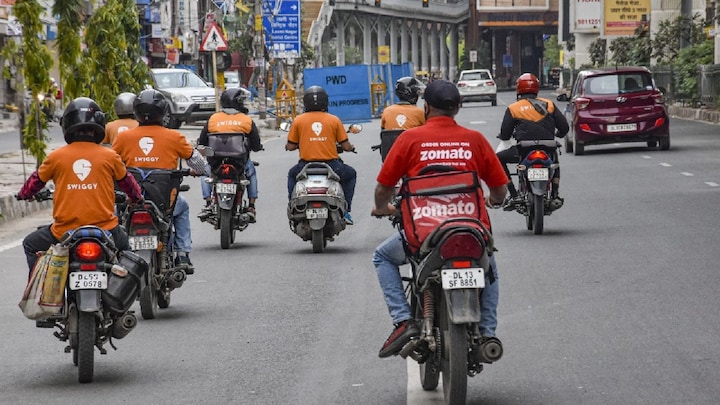
Platforms such as Zomato, Swiggy and Blinkit presently rely on a predominantly digital, largely faceless recruitment process. Prospective gig workers typically complete online applications, upload scanned documents and undergo verification through third‑party agencies that operate on behalf of the platform. While this approach enables rapid scaling, it also raises significant questions about the reliability of background checks, the clarity of the relationship between the platform and the third‑party verifier, and the overall legal robustness of the verification framework.
At present, the chain of accountability for verifying driving licences, vehicle registration certificates, payment details and employment conditions is ambiguous. In many instances, the platform does not directly supervise the verification agency, nor does the state maintain a clear record of which agency has been authorised to conduct such checks. This opacity hampers effective enforcement and creates potential avenues for misuse, fraud or non‑compliance.
Mandate for Direct Responsibility by Platforms
State Labour Minister Akash Fundkar has unequivocally stated that platforms onboarding gig workers as “partners” must assume full responsibility for conducting exhaustive background investigations. This responsibility encompasses the verification of driving licences, the confirmation of vehicle registration details, the validation of payment mechanisms and the assessment of prevailing employment conditions. By placing the onus directly on the platforms, the new framework seeks to eliminate the current reliance on indirect verification channels that often dilute accountability.
To operationalise this responsibility, platforms are expected to establish internal verification units or to engage only with agencies that have been expressly sanctioned by Maharashtra’s cyber department. The directive further calls for a coordinated effort between the Labour Department and the Home Department to develop a unified set of guidelines that leave no room for interpretative variance.
Compulsory Registration with the Cyber Department
One of the cornerstone proposals discussed during the departmental meeting is the mandatory registration of every gig worker with Maharashtra’s cyber department. Under the proposed system, each gig worker would be assigned a unique identifier linked to a QR‑code based identification card. The QR‑code card would serve as a portable proof of registration, enabling customers to request verification at the point of service.
This measure is intended to enhance transparency and traceability across the entire delivery chain. When a customer requests to view the QR‑code, the platform would be compelled to display the corresponding registration details, thereby providing a clear line of sight into the worker’s verification status. Moreover, the state‑level registration database would facilitate real‑time monitoring of gig‑worker demographics, compliance status and incident reports.
Uniform Regulatory System for Gig‑Worker Recruitment
The existing recruitment landscape is fragmented, with numerous third‑party agencies managing the intake of gig workers on behalf of platforms such as Zomato, Swiggy, Blinkit, Ola and Uber. This fragmentation often blurs the distinction between employer and contractor, complicating the enforcement of labour standards. Maharashtra’s proposed regulatory framework seeks to introduce a uniform set of licensing norms for aggregator platforms, thereby standardising the recruitment process.
Key elements of the uniform system include:
- A state‑wide registration portal that records every gig worker’s personal, professional and licensing information.
- Digital identity creation for each gig worker, anchored to the QR‑code identification card.
- Mandatory social‑security provisions, such as accident insurance coverage, that are directly linked to the registration database.
- A clear delineation of employer‑employee responsibilities, ensuring that platforms cannot sidestep statutory obligations by categorising workers merely as “partners.”
Periodic Audits and Reporting Obligations
To safeguard against potential lapses, platforms may be required to conduct regular internal audits of their gig‑worker base. These audits would evaluate compliance with verification standards, assess the accuracy of registration records and identify any anomalies that could signal fraudulent activity. Upon completion of each audit cycle, platforms would be obligated to submit detailed quarterly reports to law‑enforcement agencies operating within Maharashtra.
The reporting framework is designed to enable rapid detection of suspicious patterns, such as the repeated use of falsified documents or the onboarding of workers without proper vehicle registration. By integrating audit findings with law‑enforcement oversight, Maharashtra aims to create a proactive monitoring system rather than a reactive remedial mechanism.
Enhanced Safety Measures for Women Passengers
Safety considerations for women passengers have emerged as a pivotal component of the regulatory discussion. Platforms offering ride‑hailing services, specifically Ola and Uber, may be required to implement an optional feature that allows women customers to select only female drivers. This feature would be integrated into the existing booking interface, providing a seamless and user‑friendly experience.
In addition to the optional driver‑selection feature, platforms would be encouraged to develop training modules focused on gender‑sensitive conduct, emergency response protocols and respectful interaction standards. By embedding these safety mechanisms into the platform architecture, Maharashtra seeks to address gender‑based concerns while reinforcing overall passenger confidence.
Implications for Maharashtra’s Digital Services Ecosystem
The proposed regulatory framework arrives at a time when Maharashtra’s digital services ecosystem is experiencing rapid growth. As more consumers lean on home‑delivery and ride‑hailing solutions for everyday needs, the state’s commitment to embedding consumer safety within this expansion becomes increasingly crucial.
By mandating robust background checks, QR‑code identification, uniform licensing and regular audits, Maharashtra is positioning itself as a pioneer in creating a secure, transparent and accountable gig‑economy. The ripple effects of these measures are expected to extend beyond immediate consumer protection; they are likely to influence platform investment strategies, operational cost structures and long‑term sustainability planning.
Furthermore, the emphasis on social‑security measures such as accident insurance signals a shift toward recognising gig workers as integral stakeholders rather than peripheral contractors. This shift could lay the groundwork for future policy initiatives that address broader welfare concerns, including health benefits, retirement provisions and grievance redressal mechanisms.
Conclusion
Through the concerted effort of the Labour Department, the Home Department and the cyber department, Maharashtra is forging a comprehensive regulatory architecture that addresses the multifaceted challenges of the gig‑economy. State Labour Minister Akash Fundkar’s directive underscores the principle that efficiency must be balanced with safety, accountability and legal compliance.
The mandatory registration of gig workers, the introduction of QR‑code identification, the imposition of uniform licensing norms and the requirement for periodic audits collectively aim to cultivate a transparent operational environment for platforms such as Zomato, Swiggy, Blinkit, Ola and Uber. Simultaneously, the focus on gender‑sensitive safety features reflects a nuanced understanding of diverse consumer needs.
As Maharashtra proceeds to formalise these proposals into enforceable regulations, the state’s digital services landscape is poised to evolve into a model that other regions may look to emulate. The overarching goal remains clear: to ensure that every interaction between a consumer and a gig worker is grounded in trust, security and regulatory certainty.