How I Stumbled Upon a Dinosaur‑Made Handbag in Amsterdam
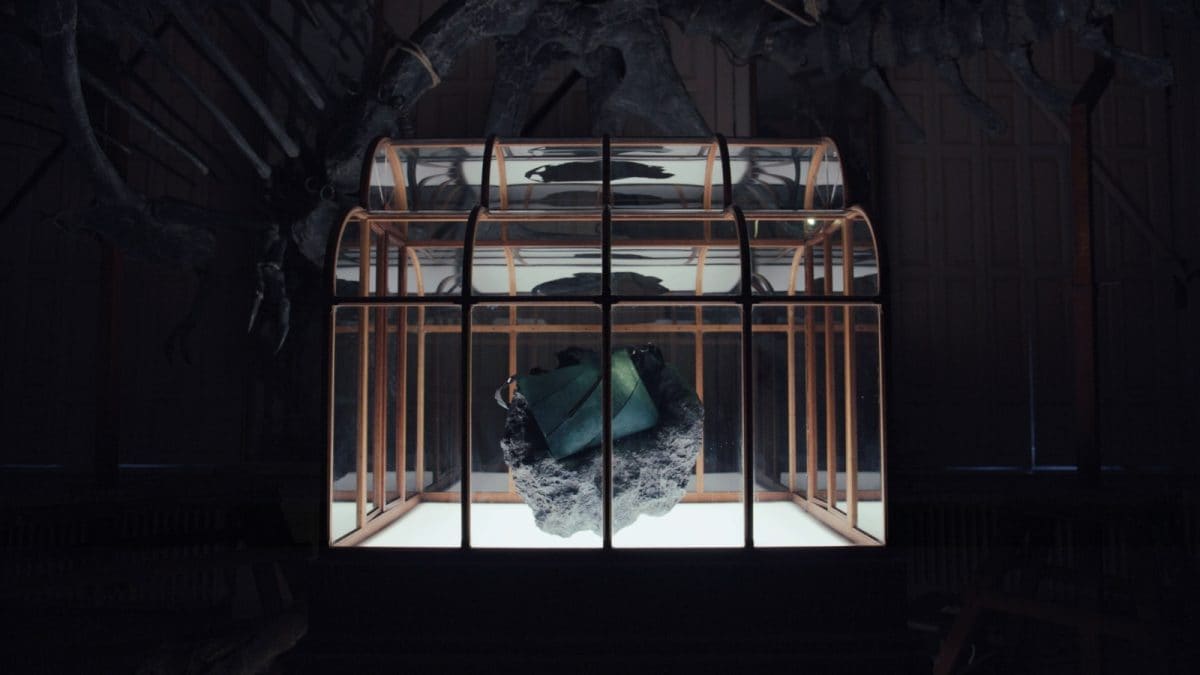
So, imagine this – I was on a short vacation in Europe, hopping around museums and galleries, when a friend in the group told me about a strange exhibit at the Art Zoo museum in Amsterdam. He said there was a teal‑coloured luxury handbag sitting on a rock inside a cage, right under a towering T‑rex replica. I thought, "What on earth could that possibly be?" I love quirky stuff, so I made a mental note to check it out before we left the city.
When we finally got there, the bag was exactly how the picture had shown – a smooth, teal piece of leather gleaming under the museum lights, perched on a faux‑rock like a modern‑day treasure. The whole set‑up felt like something straight out of a science‑fiction film: the roaring dinosaur skeleton looming behind it, the cage bars adding an eerie vibe, and the bag strikingly pristine amidst the stone.
What Makes This Handbag So Special?
Turns out the bag isn’t just a fancy accessory. It’s actually made from collagen – that’s the structural protein you find in skin and bones – but not any ordinary collagen. This one comes from a Tyrannosaurus Rex fossil, about sixty‑six million years old. The scientists extracted tiny protein fragments from the ancient bone and then inserted those fragments into the cells of a completely different animal, which then started producing the dinosaur‑derived collagen. After that, the collagen was tanned in the usual way to turn it into leather.
In simple terms, they used the DNA‑like bits of a dead dinosaur to grow a new, lab‑made leather that feels just like any premium hide you’d get from a cow or a goat. The whole purpose, according to the team, was to showcase the possibilities of laboratory‑grown leather as a sustainable alternative to traditional animal leather.
When I read about it, I remembered the bustling leather markets in places like Kolhapur and Kanpur, where real animal hides are processed in massive tanneries. It’s fascinating to think that a piece of leather could one day come from a dinosaur, grown in a lab, without harming any living animal at all.
The Science Behind the Magic
Here’s a quick rundown of the process, explained in my own words because the actual scientific papers are a bit dense. First, paleontologists drill into a perfectly preserved T‑rex fossil and extract the collagen fragments that have survived all those years. These fragments are minuscule, but they still contain the building blocks of the ancient protein.
Next, a team from The Organoid Company, led by Thomas Mitchell, took those fragments and introduced them into the cells of an unidentified animal – they didn’t reveal which animal, probably to keep the focus on the technology. Those cells started synthesising the dinosaur collagen, essentially “re‑creating” the ancient protein inside a modern organism.
Then comes the leather‑making part. Collagen is the backbone of leather; it gives it strength, flexibility, and durability. In the tanning process, chemicals cross‑link these collagen fibres, making the final material resistant to water, heat, and wear while keeping it soft. The end result is a piece of leather that, chemically, has the signature of a T‑rex but behaves like any high‑quality leather you’d buy in a boutique.
Che Connon, the CEO of Lab‑Grown Leather Ltd., told reporters that they chose the T‑rex because it added a certain "oomph" to the project – it’s not just about being Green, it’s about making something iconic that grabs attention.
From Fossil to Fashion: The Journey of the Handbag
Personally, I could see a buyer from the high‑end fashion world or a billionaire tech enthusiast snapping it up as a conversation starter. In India, we have a booming luxury market, with many collectors looking for unique pieces that combine heritage and innovation. I could easily imagine a Maharaja‑type collector in Mumbai purchasing it as a statement of wealth, science, and style.
The whole exhibition reminded me of the days back home when we used to watch Jurassic Park movies as kids. Everyone knew the lesson: don’t mess with extinct creatures. Yet, here we are, using the remains of an extinct predator not to bring it back to life, but to make a handbag. It’s a paradox that feels both exciting and a little ironic.
Previous Bio‑Engineered Creations: A Quick Walk‑Down Memory Lane
This isn’t the first time scientists have tried to resurrect extinct elements for modern use. In 2023, the same team – The Organoid Company along with the creative agency VML – created a gigantic meatball using DNA from a woolly mammoth combined with sheep cells. That project made headlines because it was the first time anyone had made a sizable chunk of meat that contained some mammoth genetics.
Another cool example I read about was from 2019, when video game designer and part‑time Egyptologist Seamus Blackley teamed up with archaeologist Serena Love and microbiologist Richard Bowman. They extracted 4,500‑year‑old yeast from ancient Egyptian pottery and used it to bake a loaf of bread. The idea was to taste what ancient Egyptians might have enjoyed. It’s a bit like cooking a dish from a thousand‑year‑old family recipe, only the family was long gone.
These projects all share a common theme: using old genetic material in a modern laboratory to create something tangible, be it meat, bread, or even a handbag. It shows that the line between science and everyday life is getting blurrier every day.
Reactions: Awe, Criticism, and the Question of "T‑Rex Leather"
Not everyone is thrilled about calling this material "T‑Rex leather." Some scientists argue that because the final product uses cells from another animal, it’s technically not pure T‑rex leather. It’s more like “T‑rex‑inspired leather.” There’s also a philosophical side: does using ancient DNA make the material ethically different?
When asked about the criticism, Thomas Mitchell replied, "Whenever you try something new, there will always be criticism. We’re grateful for it because it pushes scientific exploration forward. This is probably the closest anyone has gotten to actually creating something that’s genuinely T‑rex." His tone was candid, almost like a teacher who knows his students will question his methods, but he welcomes the debate.
From a personal standpoint, I find the argument both valid and a bit pedantic. If the leather feels like leather and its molecular structure contains bits of dinosaur protein, why does it matter if the cells came from a cow? In India, we have long debates about synthetic versus natural fibers, and this is another variant of that conversation, just with a prehistoric twist.
What This Means for the Future of Leather in India
India’s leather industry employs millions and contributes significantly to exports. However, it also faces challenges like pollution, animal welfare concerns, and the pressure to adopt Greener processes. Lab‑grown leather, like the material used in this T‑rex bag, could potentially offer a cleaner alternative that still satisfies consumers who love the feel of genuine leather.
If the technology becomes cost‑effective, imagine small workshops in Tamil Nadu or Gujarat using lab‑grown leather to create jackets, shoes, or even upholstery without the environmental toll of traditional tanneries. It could open up new markets and perhaps even give a boost to “Made in India” branding for sustainable luxury.
That said, the current price point – Rs 5 crore for a single bag – is obviously out of reach for most creators and buyers. But as with any innovation, prices tend to drop over time. Think about how smartphones were once expensive novelties and now everyone has one.
My Final Thoughts: A Blend of Wonder, Science, and a Pinch of Greed
Walking away from the exhibit, I felt a mix of awe and bewilderment. The idea that a creature that roamed the Earth before the age of the dinosaurs could now be part of a stylish accessory is mind‑boggling. At the same time, I couldn’t help but think about the auction price – it felt like a publicity stunt aimed at the ultra‑rich, rather than a genuine step toward sustainable fashion for the masses.
Nevertheless, the project does something else that’s important: it starts a conversation. Whether you’re a scientist, a fashionista in Delhi, a leather artisan in Kanpur, or just a curious traveler, the T‑rex leather bag forces you to think about where our materials come from, how we can innovate responsibly, and what “luxury” really means in the 21st century.
So, if you ever find yourself in Amsterdam and see a teal bag under a dinosaur skeleton, pause for a moment. Think about the centuries of history embedded in that piece, the lab work that turned a fossil into fashion, and the future possibilities it hints at. And maybe, just maybe, you’ll walk away with a story that’s as unexpected as the bag itself – a story you’ll tell over chai with friends, sprinkling in a little dinosaur dust for flavor.