Why I’m talking about an IPO from GIFT City
Honestly, when I first heard that an IPO was opening from GIFT City, I was a little skeptical. I mean, we have plenty of IPOs from big Indian companies on the regular exchanges, but nothing that’s actually coming out of the International Financial Services Centre (IFSC). It felt a bit like hearing about a new restaurant opening in the same neighbourhood where you’ve been eating for years – you’re curious, you think it might be just hype, but you also hope it brings something fresh.
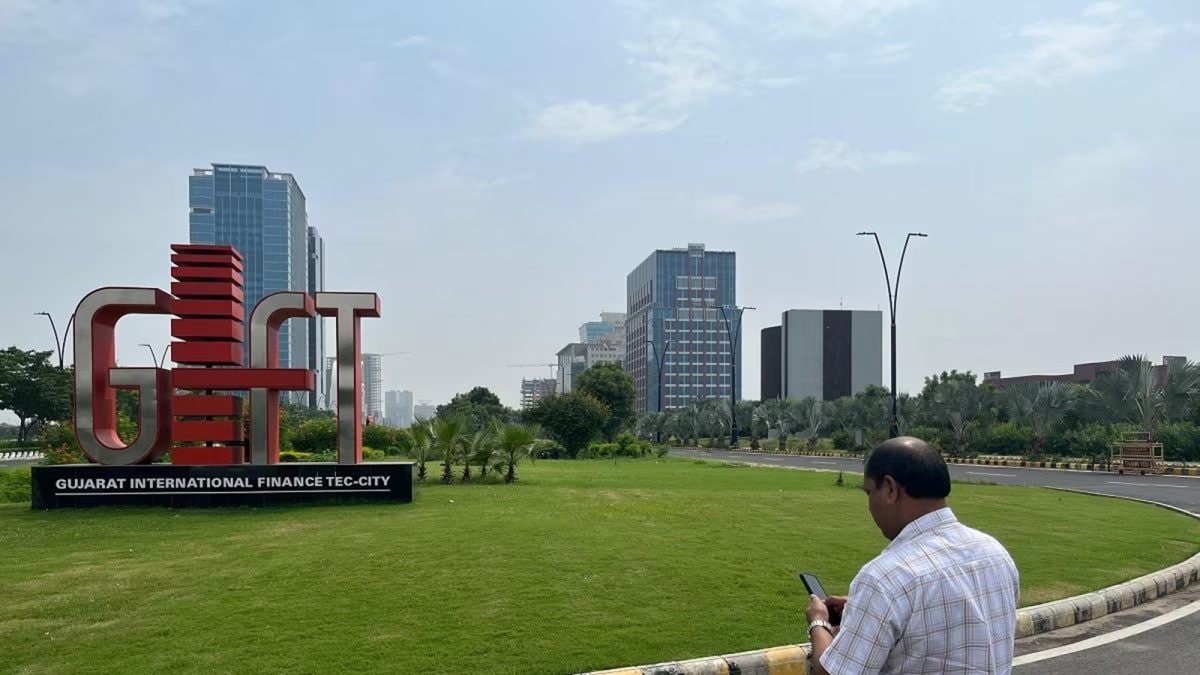
So, over a cup of masala chai at my home desk, I started reading the announcement about XED Executive Development Ltd. The more I read, the more I realised how big this moment is for India’s push to become a global financial hub. The IPO is not just another share issue; it’s the first one that will be listed on the two new exchanges inside GIFT City – the NSE International Exchange and the India International Exchange. That’s a big milestone, and I wanted to share what that means, the numbers involved, and why it matters for us, especially the Indian diaspora and foreign investors.
What the IPO actually looks like
The company behind the offer is XED Executive Development Ltd. It’s a firm that provides executive education and professional training to a wide range of markets – over 25 countries, actually, covering India, the Middle East, Southeast Asia and North America. You can imagine the sort of people who take part in their programmes; senior managers, aspiring CEOs, even government officials looking to sharpen their leadership skills.
Now, the offer itself is fairly straightforward: the shares are priced between $10 and $10.5 each. The subscription window opened on the 16th of March and will stay open till the 24th of March. All the transactions will be in US dollars – that’s part of GIFT City’s design to make it easy for cross‑border capital flows. The total amount they aim to raise is about $12 million. It may not sound like a massive amount compared to the multi‑billion‑dollar IPOs we see in the US, but for an Indian executive‑education company, it’s a healthy, targeted raise, especially since they are already profitable at EBITDA and profit‑after‑tax levels.
Once the subscription closes, the shares will start trading on the two GIFT City exchanges. That means if you are an Indian investor, an NRI, or a foreign institutional investor (FII), you can buy these shares in dollars without having to go through a conversion to rupees first. That’s the core advantage the IFSC wants to provide – a seamless, international route for raising funds.
How I see the significance of a GIFT City listing
For the Indian economy, this is a way of saying: “We are ready to play on the global stage, and we have built the infrastructure to make it easy.” The fact that XED’s IPO is the first to use this system shows that the government’s long‑term plan for GIFT City is finally moving from theory to practice. The leadership’s comment – “this is the moment we have been working toward” – sounds like a proud parent watching their child step onto the stage for the first time.
Who’s involved behind the scenes
Just like a wedding, an IPO has a whole bunch of people making sure everything runs smoothly. The lead manager for the issue is Global Horizon Capital Advisors – they are the ones maintaining the book, taking bids from investors, and ensuring the price discovery works neatly. According to Abhishek Kaushik from the firm, even though the world is dealing with geopolitical jitters, India’s economic resilience shines through, and the dollar‑denominated platform gives investors a clear path to invest in the Indian growth story.
Then there are the bankers – DBS Bank and RBL Bank – handling the financing and settlement aspects. KFin Technologies is taking care of the registrar duties, which means they’ll maintain the official list of shareholders once the issue is allotted.
On the exchange side, two senior officials – V Balasubramaniam and Vijay Krishnamurthy – spoke about how this listing is a clear signal that the IFSC has “firmly established itself on the global capital markets map”. Their enthusiasm reminded me of the excitement you feel when a local cricket stadium finally gets a test match – it’s a validation of years of effort.
What this means for regular investors like you and me
If you’re an Indian resident with a demat account, you can now think about investing in a dollar‑denominated issue without jumping through too many hoops. For NRIs living in the Gulf or the US, it gives a direct line to invest in an Indian company using the same currency you earn in. And for foreign FIIs, it’s a new avenue to tap into India’s burgeoning services sector, especially a niche like executive education which has been growing rapidly due to the demand for up‑skilling in a digital world.
The process is pretty simple: during the subscription window, you place a bid at a price you’re comfortable with (anywhere between $10 and $10.5). If your bid is accepted, you’ll receive the shares, and they’ll start trading on the NSE International Exchange and India International Exchange. The exchanges have said they will provide a “world‑class, internationally accessible financial hub”, which for us investors translates to better transparency, quicker settlement, and hopefully, tighter spreads.
One thing I noticed while reading the prospectus is that the entire issue is structured to avoid the usual currency risk that Indian investors often worry about. Since the share price is already in dollars, you don’t need to worry about rupee‑dollar fluctuations after you buy – your returns will be in the same currency you invested.
Personal observations from the ground
While I was scrolling through the online portal to place a bid, I thought about the bustling streets of Ahmedabad and the high‑rise towers of Mumbai. Both cities have their own flavors of finance – the traditional equity market that we all know, and now a futuristic, cross‑border market that is taking shape at GIFT City. It’s like watching a classic Hindi movie scene where the hero walks into a modern apartment block and looks around in awe at the glass elevators and smart doors. That’s how I felt seeing the digital interface of the GIFT City exchange – clean, efficient, and very much built for the future.
My friend in Dubai, who works in a multinational firm, told me that he’s been waiting for a platform like this. He said, “We have been looking for a way to invest directly in Indian growth stories without the hassle of converting rupees each time.” This feedback aligns with the government’s vision to bring global capital right to Indian shores, and the XED IPO is basically the first test drive.
Even in my own family, my younger sister, who just finished her MBA, is considering taking up a short term course from XED. Knowing that the company is now a publicly listed entity adds an extra layer of credibility for her. In many Indian households, a listed company is often seen as a sign of stability and trustworthiness – it’s a subtle, but powerful, reassurance.
What the future could hold for GIFT City and Indian IPOs
Looking ahead, this first IPO could set a precedent for many more listings. The hope is that after XED Executive Development Ltd, we’ll see Indian fintechs, renewable‑energy firms, and maybe even biotech companies choosing the IFSC route for their capital‑raising needs. The more companies list there, the more liquidity the two exchanges will gain, and the more attractive they become for global investors.
From a personal viewpoint, I think the ripple effect will be felt in everyday financial decisions. For instance, the next time you book an overseas flight ticket, you might see a “pay with INR” option that actually sources the money through the IFSC, making the transaction smoother and possibly cheaper. It’s a subtle shift, but it will gradually become part of the financial fabric of the country.
In most cases, new financial infrastructure takes time to be fully utilised. Remember how long it took for digital wallets to become mainstream after the launch of Paytm? A similar learning curve might apply here, but the foundational step, which is this IPO, has already been taken.
Wrapping up – why you might want to keep an eye on this
All things considered, the XED Executive Development Ltd IPO is more than a simple share issue. It’s a tangible sign that India’s ambition to become a global financial hub is moving from policy paper to real‑world activity. The dollar‑denominated nature, the involvement of reputable global and domestic banks, and the fact that the issue is open to eligible investors worldwide make it a unique opportunity.
If you are someone who watches financial news, enjoys a good cup of chai while reading the market updates, and likes to think about where India is heading, this is worth a closer look. Whether you decide to invest, keep it on your watchlist, or simply discuss it over dinner with friends, the story behind this IPO showcases a blend of Indian entrepreneurial spirit and an international outlook that is increasingly becoming the norm.
So, next time you hear about a new company listing, ask yourself: is it on the traditional BSE/NSE, or is it part of the new wave of IFSC listings? The answer could tell you a lot about where the money is flowing, and where the future of Indian finance might be headed.