The twin announcements – continued strikes and diplomatic talks – arrived as Israel Defence Forces launched a fresh wave of attacks on Hezbollah launch sites inside Lebanon.
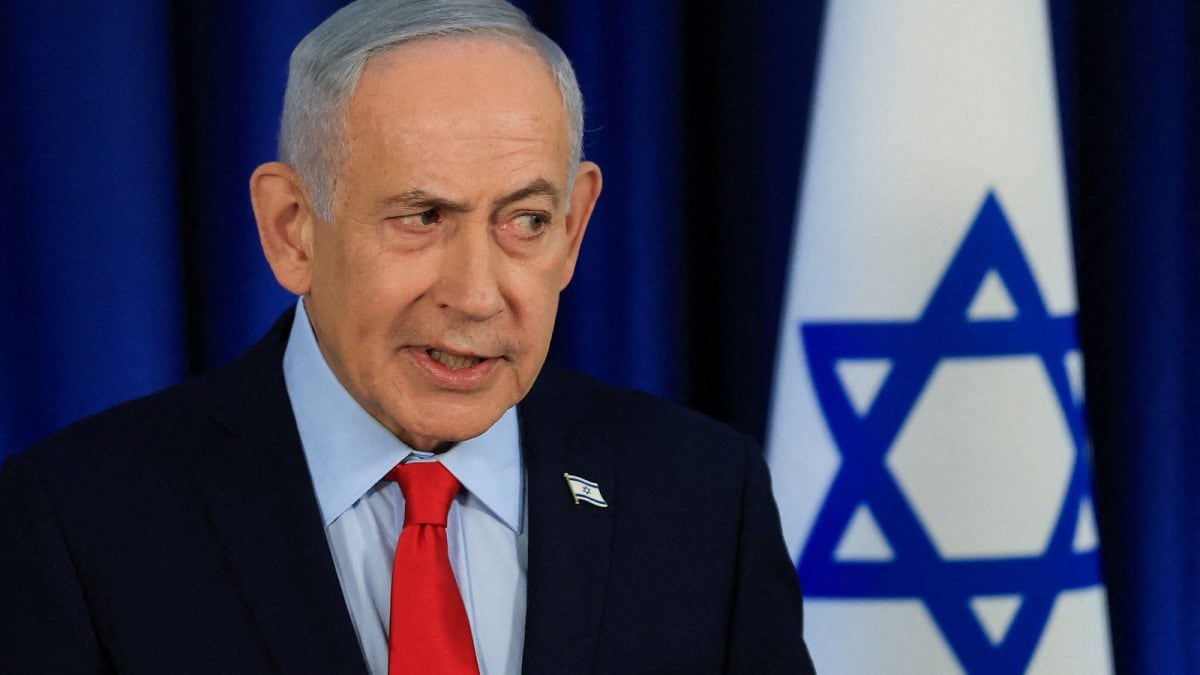
Honestly, when I first heard the news on the radio this morning, I felt a strange mix of worry and curiosity. You know how we in Delhi always have that habit of checking the TV first thing after breakfast, right? So I switched on the channel that usually covers the Middle East and there was Prime Minister Benjamin Netanyahu, looking as serious as ever, saying there is "no ceasefire in Lebanon." He went on to promise that Israel will keep striking Hezbollah with full force. I could hear the tension in his voice, and at the same time, there was this unexpected twist – he also said Israel is ready to start direct talks with the Lebanese government.
Now, let me try to explain what that actually means. Basically, Israel Defence Forces have started pounding the places where Hezbollah keeps its rockets hidden across the border. These are the launch sites that Israel has long accused Hezbollah of using to target its cities. So when Benjamin Netanyahu says "full force," he is basically telling his own people and the world that the military campaign will not be dialed down anytime soon.
But, and this is the surprising part, in the very same breath he announced that his cabinet has been told to open direct negotiations with Beirut. That means the Israeli side is also reaching out for a diplomatic solution, something we don’t often see happening side‑by‑side with heavy artillery. The official line from Benjamin Netanyahu’s office says the talks will focus on two main points: the disarmament of Hezbollah and the establishment of peaceful relations between Israel and Lebanon.
To be clear, there is no new name or code‑word here – it is simply Benjamin Netanyahu saying Israel wants to talk, while Israel Defence Forces keep hitting Hezbollah sites. The timing is odd, but perhaps it is meant to pressure Hezbollah from both angles.
Strikes and Talks at the Same Time – My Take
When I think about the phrase "strikes and talks at the same time," I picture a chaotic market in Mumbai where the vendor is shouting about a sale while the shopkeeper is fixing a leaking roof. It sounds contradictory, but in international politics it is not unheard of. Benjamin Netanyahu explicitly said, "I wish to inform you: there is no ceasefire in Lebanon. We are continuing to strike Hezbollah with full force, and we will not stop until we restore your security," and immediately followed it with the instruction to his cabinet to begin direct negotiations with Beirut, citing repeated requests from the Lebanese government.
Now, the Lebanese side – especially President Joseph Aoun – has been clear that a ceasefire is the only realistic way out of this mess. President Joseph Aoun told reporters that a ceasefire with Israel remains "the only viable solution" and hinted that the Lebanese government has already given a "positive response" to the Israeli proposal for talks.
Interestingly, Lebanon’s Prime Minister – whose name I will keep as Prime Minister of Lebanon as per the original wording – called for the demilitarisation of Beirut. Benjamin Netanyahu’s office said Israel "appreciates" that call, suggesting a tentative opening for diplomatic dialogue. So, while Israel Defence Forces keep launching rockets at Hezbollah launch sites, there is a parallel track of diplomatic gestures that could, in theory, lead to a broader peace settlement.
What struck me most was the duality of the approach. On one hand, you have Israel Defence Forces blasting target after target, and on the other hand, you have political leaders swapping emails and phone calls. For an ordinary person like me, it feels like watching two TV channels at once – one showing a war documentary, the other a talk show about peace.
How the US‑Iran Ceasefire Fits In – A Little Background
In the background of all this, there is the fragile US‑Iran ceasefire that has been holding after the recent tensions in the Persian Gulf. Tehran keeps saying that the truce includes halting Israeli military actions in Lebanon as well. But both Washington and Israel are quick to reject that interpretation. They say the ceasefire only applies to direct Iran‑Israel hostilities, not to Israel’s actions against Hezbollah in Lebanon.
This disaGreement adds another layer of complexity. Imagine you are in a crowded train compartment in Bangalore, and there are two groups arguing over who gets the last coffee. Everyone wants a piece of the story, yet the rules are not clear. So, just as the US‑Iran truce hangs by a thread, the situation in Lebanon hangs on whether Israel will actually sit down for talks after the strikes.
For those of us following the news, it feels like a high‑stakes chess game. Every move by Israel Defence Forces on the ground is matched by a diplomatic move from Benjamin Netanyahu’s office. And every statement from President Joseph Aoun or Prime Minister of Lebanon is another piece on the board.
What It Means for Everyday People – My Observations
Living in India, I often hear about the Middle East in the context of oil prices or cricket matches, but this story feels different. It is about two neighbours who have been at odds for decades, suddenly hearing a hint of dialogue amidst the gunfire. For the people living right on the border – in towns like Kiryat Shmona on the Israeli side or Tyre on the Lebanese side – the news is not just a headline. It is the sound of rockets in the night, the smell of burnt dust, and the hope that maybe, just maybe, a conversation could end the fear.
When I talk to my friends who have relatives in the diaspora, they tell me that the Lebanese community is nervous about any escalation. They keep asking whether the talks will bring any relief. The Israeli community, particularly those near the northern border, are equally anxious – they want security but also a lasting solution.
In my everyday life, the news also reminded me of the importance of clear communication. Benjamin Netanyahu’s statement was very direct: "no ceasefire in Lebanon" and "full force" strikes. At the same time, the invitation for talks was also clearly worded – focusing on disarmament of Hezbollah and peaceful relations. The clarity – albeit harsh – helps people understand the stakes.
And finally, the role of media in all this cannot be overstated. I realised that the way the story is presented – with bold headlines and quick bullet‑points – mirrors how we see everything on our smartphones. Yet, the deeper nuance is often lost unless we take the time to read the full article, like I am doing now.
Looking Ahead – What Could Change?
So, where do we go from here? If Israel Defence Forces keep hitting Hezbollah launch sites, the immediate risk is an escalation that could spill over into civilian areas on both sides. On the other hand, if the direct negotiations between Israel and Lebanon gain traction, we might see a framework that eventually leads to Hezbollah’s disarmament – something that has been on the table for decades.
One possible scenario is that the talks stall because of mistrust, and the military campaign continues unabated. In that case, the US‑Iran ceasefire could become irrelevant for the Lebanese front, and the region could see a new wave of violence.
Another scenario is that the diplomatic channel opens up, and both Israel Defence Forces and Lebanese authorities aGree on a temporary halt to operations while negotiations proceed. That would be a rare moment of de‑escalation, perhaps similar to those brief ceasefires we sometimes hear about during festivals in South Asia.
Whatever the outcome, the fact that Benjamin Netanyahu and President Joseph Aoun are publicly acknowledging each other’s moves is, in my opinion, a small but significant step. It shows that even in a heated conflict, there is room for dialogue – however shaky it may be.
For now, I’ll keep following the updates, listening to the local chatter, and hoping that the “full force” strikes eventually give way to “full force” talks that lead to a lasting peace.