Why Ghalibaf’s Warning Felt Like a Personal Alarm Clock
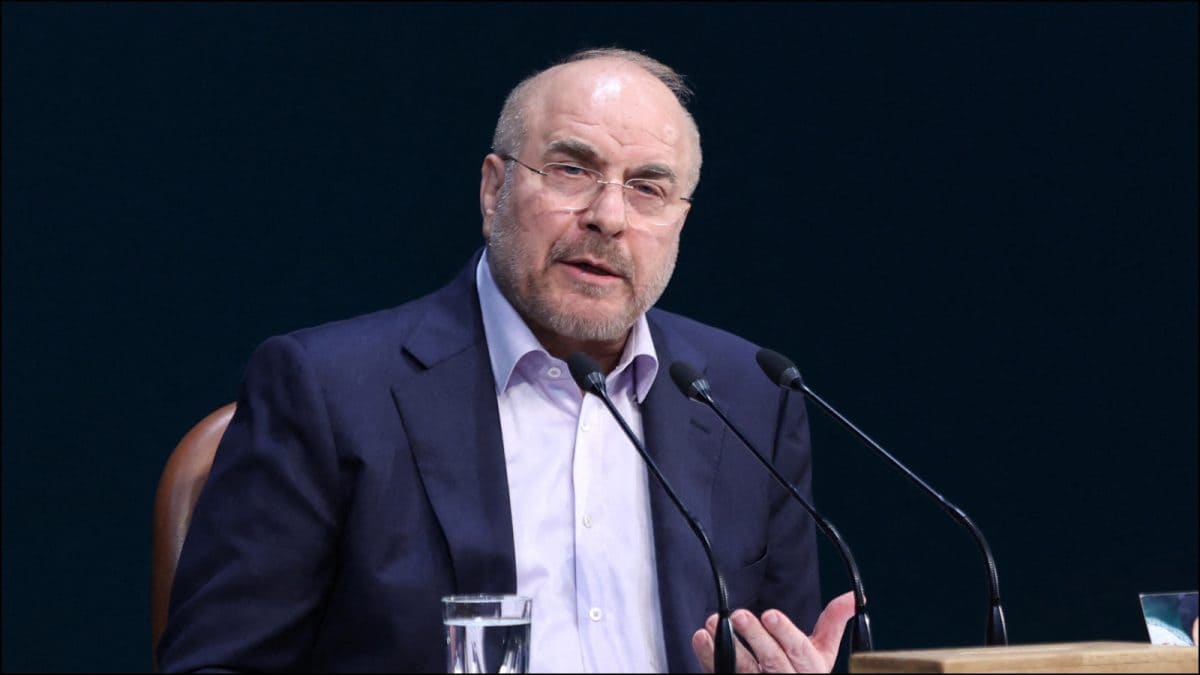
So there I was, sitting on my balcony with a steaming cup of masala chai, scrolling through my news feed on a lazy Saturday afternoon. My phone kept buzzing with headlines about the ever‑changing situation in the Middle East, and one particular post caught my eye – a short, punchy tweet from Iran’s Parliament Speaker Mohammad Bagher Ghalibaf. He wrote, “Time is running out ⏳” and then went on to warn the United States and Israel that any delay in securing a cease‑fire in Lebanon would only make things worse. Honestly, it felt like someone had just turned the kitchen timer down to its last seconds; you know the pressure is on.
What surprised me most was how direct the message was. Ghalibaf didn’t mince words. He said that continued military actions would carry consequences and that the resistance groups in the region are an inseparable part of any cease‑fire framework. In my mind, I was picturing the usual diplomatic back‑and‑forth we see on TV, but the tone here was more urgent, almost like a neighbour shouting from the next door that the water pipe is about to burst.
Breaking Down the 10‑Point Proposal – No Fancy Jargon, Just Real‑World Stakes
Now, Ghalibaf also highlighted a 10‑point proposal that had been floated to bring stability. I’m not a political scientist, but I imagined it as a sort of checklist you might use before planning a big Indian wedding – each point has to be ticked off, otherwise everything falls apart. The crucial bits he mentioned were the inclusion of Lebanon and the broader resistance axis as core parts of the cease‑fire, and a warning that any violation would bring “explicit costs” and strong responses.
He even referenced three specific clauses that, according to Tehran, had already been breached. First, the promised cease‑fire in Lebanon – which, by the looks of the recent Israeli strikes on Beirut, seemed more like a “nice idea” than a solid aGreement. Second, respect for Iranian airspace – a point that feels as if someone was flying a drone over your private garden without permission. And third, Tehran’s right to uranium enrichment, which is a sensitive issue in the same way that family disputes over land can get heated in many Indian villages.
These points were not just abstract ideas for Ghalibaf; they were presented as concrete violations that had already happened, prompting Iran to react by closing the strategic Strait of Hormuz. To me, closing the strait felt like the Indian government putting a blockade on a major highway because a key bridge had been damaged – the ripple effects are massive.
From Islamabad to Tehran – How Pakistani Remarks Fueled the Debate
Ghalibaf also pulled in a reference to comments made by Pakistani Prime Minister Shehbaz Sharif during talks in Islamabad. He said that the Lebanon issue had been clearly acknowledged and could not be rolled back. Imagine you’re at a family gathering, and someone brings up an old quarrel that everyone knows has never been truly resolved – that’s the vibe here. The Pakistani leader’s words added another layer, showing that not just Iran but several regional players see Lebanon as a non‑negotiable piece in the larger puzzle.
In most cases, such diplomatic exchanges happen behind closed doors, but the fact that Ghalibaf highlighted them publicly suggests he wants the world to see that there is a broader consensus, or at least a shared concern, about the Lebanese situation.
Israeli Strikes in Beirut – A Real‑World Illustration of the ‘Violations’ Ghalibaf Warned About
Continuing with the picture I painted in my head, the recent Israeli strikes in Beirut felt like a sudden thunderstorm during a cricket match – you never really know when the next ball will be hit at you. Ghalibaf called these attacks violations of the cease‑fire that had been negotiated with the help of regional and international stakeholders. From an Indian perspective, it’s similar to a neighbourhood dispute where one side keeps breaking the aGreed‑upon noise curfew, leading to tension that could spill over into the entire colony.
Iran’s stance, as reiterated by Ghalibaf, is that it will stand with Lebanon and the broader resistance axis against any aggression. The speaker framed these developments as part of a larger regional confrontation, warning that continued violations could lead to further escalation. It’s a bit like a traffic jam that keeps getting worse because one driver refuses to change lanes – eventually, someone will have to step in.
Strait of Hormuz Closed – The Ripple Effect of Retaliation
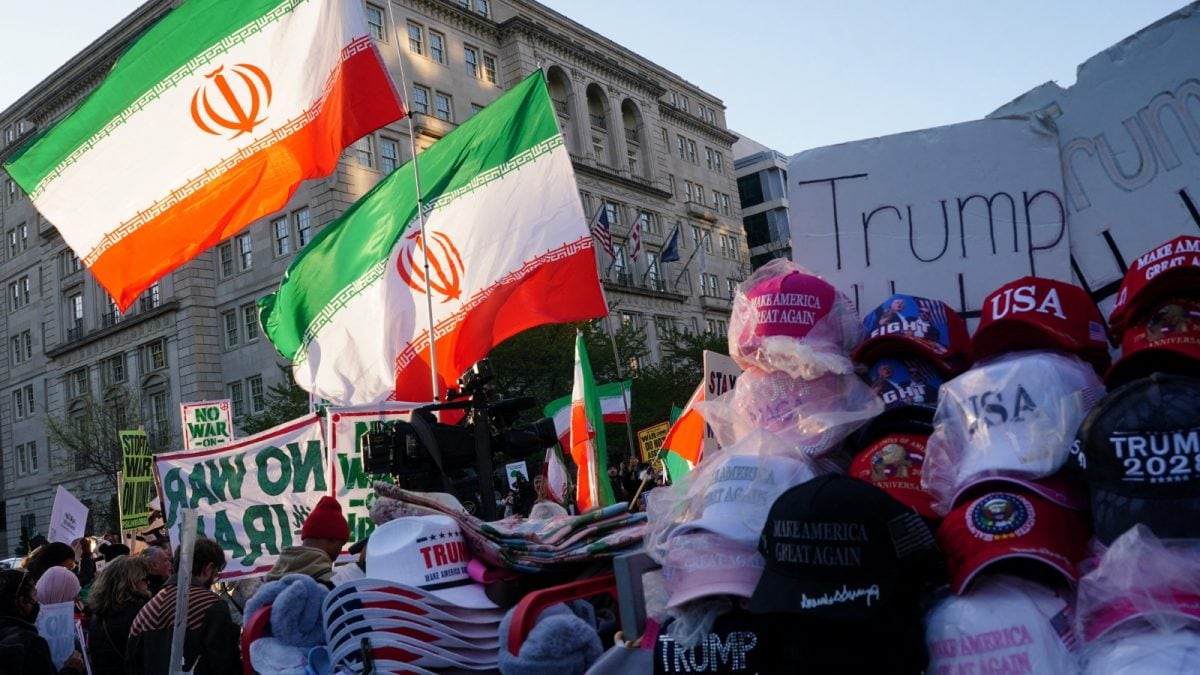
On the same day as these warnings, Tehran closed the Strait of Hormuz again. This waterway is as vital to global oil transport as the national highway connecting Delhi to Mumbai is for our economy. The closure was a direct retaliation for Israel’s wave of strikes on Lebanon. The United States, trying to keep the peace talks on track, urged the reopening of this crucial route.
According to Ghalibaf, the US had already violated three core clauses of the 10‑point framework even before the talks could properly begin. Those clauses, as I mentioned earlier, involved the Lebanon cease‑fire, respect for Iranian airspace, and Iran’s enrichment rights. The closing of the strait, therefore, was not just about oil – it was a symbolic ‘show of force’ that said, “If you cross our red line, we will hit you where it hurts.”
For many Indians watching the news, the image of massive oil tankers waiting at the mouth of a strait felt just as unsettling as seeing a traffic jam on the Mumbai‑Pune Expressway during peak hours. The economic implications are far‑reaching, and the political message was unmistakable.
Israel’s Surprise Move – Direct Talks with Lebanon on the Cards
While Iran was busy sending out warnings, Israel seemed to be making a sudden U‑turn. A day after striking Lebanon, Prime Minister Benjamin Netanyahu announced that he had authorised direct negotiations with Lebanon “as soon as possible”. He said the talks would focus on disarming Hezbollah and establishing peaceful relations.
In an Indian context, imagine a longstanding rivalry between two neighboring villages finally aGreeing to sit down over a cup of tea to discuss a boundary dispute. It felt unexpected, yet there was an underlying logic – perhaps both sides realized that endless fighting was hurting everyone, including their own people.
According to the Associated Press, these talks were expected to take place at the US State Department next week. The US Ambassador to Lebanon, Michel Issa, would represent the American side, while Israel’s Ambassador to the US, Yechiel Leiter, would take the Israeli side. However, it was still unclear who would speak for Lebanon, much like a community meeting where one side has a clear spokesperson but the other is still figuring out who will speak.
Putting It All Together – My Takeaway from This Geopolitical Drama
After reading through all these statements, my mind kept drifting back to the simple idea of time running out. Ghalibaf’s tweet with the hourglass emoji felt like a reminder that in international relations, as in daily life, delays can be costly. Whether it’s a train missing its departure time or a cease‑fire slipping away, the consequences ripple far beyond the immediate actors.
What struck me most was the interconnectedness of each move – Iran’s closure of the Strait of Hormuz, Israel’s sudden openness to talks, and the US being called out for violating the proposed framework. It’s like a game of chess where each piece’s move is watched keenly – a single wrong step can change the whole board.
For us Indians, far away from the Lebanon‑Israel theatre, the news still matters. Oil prices affect everything from petrol at the pump to the cost of a banana. And the underlying message – that regional stability is fragile and requires timely, sincere effort – resonates with the way we handle community issues back home. We all know that if you keep postponing a problem, it will only grow bigger.
In the end, I’m left hoping that the “time is running out” warning becomes a catalyst for genuine dialogue, rather than just a slogan. After all, when the world takes a step back and looks at the bigger picture, maybe we can all avoid the costly fallout that comes from ignoring the ticking clock.