Noida Factory Workers' Protest: 40,000 Noida factory workers protest wage stagnation- some got just Rs 39 raises- as Haryana's pay hike exposed a widening survival crisis.
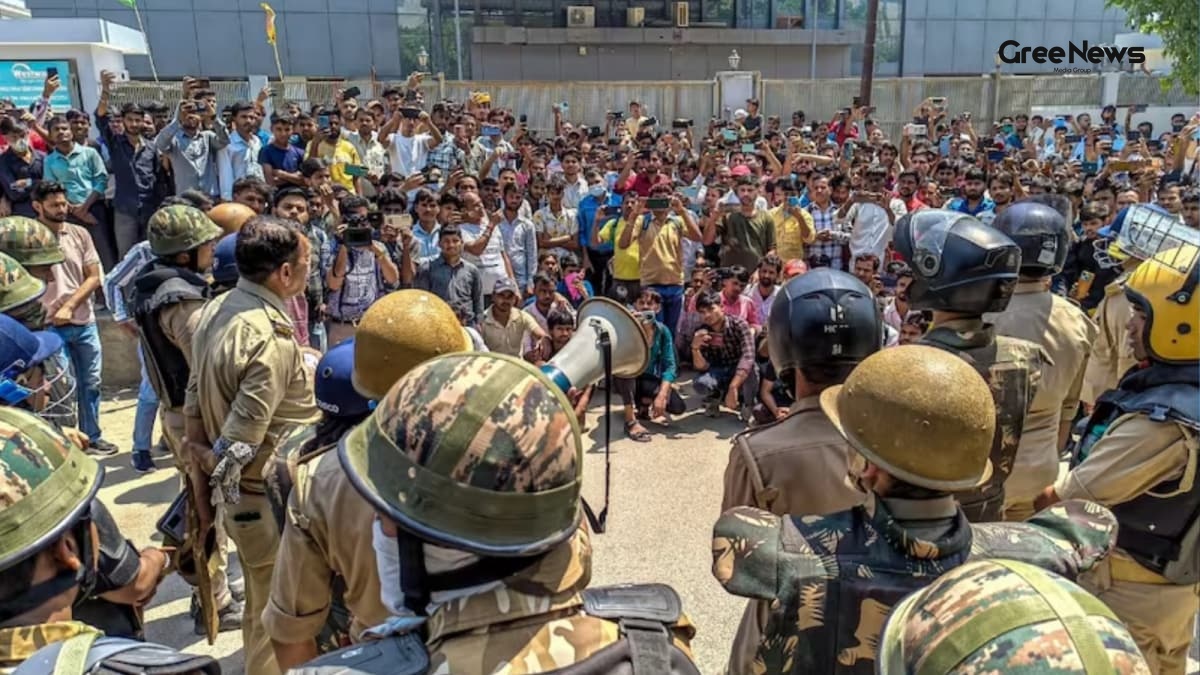
Just imagine standing on a bustling Noida street, the air thick with the smell of exhaust and the sound of honking horns, when suddenly a massive crowd of factory workers swarms the lane, shouting, "We need a decent salary!" This is the scene that has become breaking news in the city, and honestly, it feels like one of the latest news India is talking about every day. Roads have been blocked, a few vehicles set ablaze, and the whole vibe is tense the kind of tension you only see when something huge is at stake.
Why the protest started a tale of a neighbouring state's wage hike
It all began when the Haryana government announced a hike in the minimum wages for workers in Manesar, a town just a short drive away. The move was praised in the media, but for us in Noida the news was like a bitter pill. Workers across 80 locations felt a sharp sting why were their neighbours getting better pay while they were left with barely a raise?
In most cases, the workers say they saw their colleagues in Manesar getting salaries jump to Rs 20,000 for an eight‑hour shift. "If they can get that, why not us?" asked Surendra Kashyap, a measurement checker at Anubhav Apparels. His words echoed through the crowd, and that's when the protest entered its second, more intense phase, especially in Phase‑2 and Sector 63 where stones were hurled at police and some vehicles were torched.
What happened next is interesting the situation quickly turned viral, making its way to social media feeds and becoming trending news India for a few days. People started sharing videos of the protests, many of which showed the sheer desperation in the eyes of the workers.
Stories from the ground real voices, real pain
Surendra Kashyap left Sambhal in Uttar Pradesh, dreaming of a stable job in Noida's bustling factories. At 18, he earns Rs 13,000 a month. He pays Rs 4,000 for rent, and the remaining amount barely covers his gas cylinder needs a cylinder that now costs Rs 400 per kilogram. "Workers there had their salaries increased to Rs 20,000 for eight hours of work so why not ours?" he asked, voice trembling.
He added that his wages had only gone up by Rs 320 in total. The employer, he says, expects 70 pieces an hour a target that feels impossible without a proper break. "If we don’t supply, they humiliate us," Surendra told us, describing how any shortfall leads to scolding and threats.
Then there is Rahul, an export garment factory worker who arrived from Kannauj in 2018. At 25, married with two kids aged three and one, he draws a salary of Rs 13,500 a month. "I pay Rs 5,000 rent for my room and spend Rs 4,000 on rations. How can I manage? How will I ever send my children to school?" he wondered aloud. Last year, his employer raised his salary by a mere Rs 39 a figure that many considered a joke.
Rahul's frustration is palpable. "The company HR just doesn’t listen to us," he said, shaking his head. Many workers echoed his sentiment, saying that their grievances fall on deaf ears.
Even Mohd Noor Alam, who earns Rs 20,000 more than most of his fellow protestors finds himself unable to save a single rupee or send money back to his mother in Sitamarhi. "A gas cylinder runs to Rs 5,000 on the black market now," he told us, highlighting how the price of every basic necessity keeps climbing without any sign of stopping.
These personal narratives make the protest more than just a headline they turn it into a human story that many across India can relate to, especially in a time when the cost of living is soaring while wages remain stuck.
What the numbers really mean a deeper look at wages and expenses
Let's break it down, because numbers can sometimes hide the real pain. When Surendra says he earns Rs 13,000 a month, and his rent is Rs 4,000, that leaves Rs 9,000 for everything else food, transport, and the new gas cylinder price of Rs 400 per kilogram. If a household needs even two cylinders a month, that's Rs 800 gone just on fuel.
Now add daily meals, which easily cross Rs 200 a day for a decent diet. Multiply that by 30 days, and you’re looking at Rs 6,000 just for food. Suddenly, the leftover cash dries up. The remaining amount barely covers a modest mobile recharge or a few rides on an auto‑rickshaw.
For Rahul, the situation is similar but a little tighter. With a Rs 13,500 salary, Rs 5,000 goes to rent, Rs 4,000 to rations, leaving Rs 4,500. After paying for the gas cylinder, electricity bills, and a few unforeseen expenses, there's nothing left to send home or save.
Even Mohd Noor Alam, who earns Rs 20,000, stands at a similar crossroads. The rising price of a single gas cylinder now touching Rs 5,000 on the black market can wipe out a big chunk of his earnings. Factoring in his family’s needs, he still can’t tuck away any amount.
These figures, while simple, paint a vivid picture: a small increase like Rs 39 or even Rs 320 simply doesn’t keep pace with the ballooning cost of daily necessities. That’s why the workers feel the wage hike is not just insufficient it’s almost non‑existent compared to what they need.
Impact on families how the crisis is felt at home
Take a typical night in a Noida factory worker's house. Children are trying to finish homework under the dim light of a ceiling fan that’s sputtering because of irregular electricity supply. Parents, exhausted after a 12‑hour shift, sit on the floor and count the little cash left after paying rent and buying food.
Many families now rely on borrowing money from relatives or taking high‑interest loans to get through the month. "We cannot even think about our children's education any more," sighs one mother, her voice trembling. It's not just about money; it's about dignity and hope.
And it’s not just the factory floor workers. Small shop owners near the protest sites have reported a dip in sales because workers are less likely to spend extra on non‑essentials. The ripple effect spreads across the local economy, turning a wage issue into a community‑wide problem.
All of this has turned into viral news on social platforms, with users sharing stories of families skipping meals or children walking barefoot to school because there’s no money for new shoes. The narrative has become a part of India updates that many people discuss over tea.
What the workers demand a roadmap for change
When asked what they expect, the crowd's response was crystal clear. They want a wage increase that reflects the rising cost of living at least a 10‑15% hike across the board, with a more realistic target of Rs 2,500‑Rs 3,000 extra per month for a worker earning Rs 13,000‑Rs 13,500.
In addition, they demand:
- Transparent salary structures with clear break‑down of deductions.
- Reasonable production targets that do not force workers to compromise on health.
- Paid sick leave and proper compensation for overtime instead of forced Sunday shifts.
- Mechanisms for grievance redressal that are not just on paper.
Many also suggested that the state government should align Noida's minimum wage with that of Manesar, closing the gap that sparked the whole protest. The workers hope that by making their voices heard, the authorities will finally understand that a tiny Rs 39 raise is nothing compared to the daily reality of a rising cost of basic goods.
As the protest continues, the situation remains fluid. Yet one thing is clear the workers are not backing down, and the story has become a part of the trending news India feeds, making more people aware of the everyday battle fought by those who keep the industrial engine running.
Looking ahead possible outcomes and the road to resolution
What could happen next? If the government steps in and announces a wage revision that matches the inflation rate, we might see a calm after the storm and the workers could return to their shifts with a little more hope.
However, if the employers stick to the status quo, the protests could spread to other industrial hubs, turning into a larger movement that captures national attention. That would inevitably bring more media coverage another wave of latest news India and possibly push the issue higher up the political agenda.
Many analysts believe that the key lies in a balanced approach: a fair wage hike paired with better working conditions and a transparent grievance mechanism. If that happens, not only will the workers feel valued, but the entire ecosystem from the factories to the local vendors could benefit.
For now, the streets of Noida echo with chants, and the fire of the protest shows no sign of dying out. The hope is that the story continues to be discussed, that more people hear about the real faces behind the numbers, and that ultimately, a solution emerges that lets these workers live with dignity.