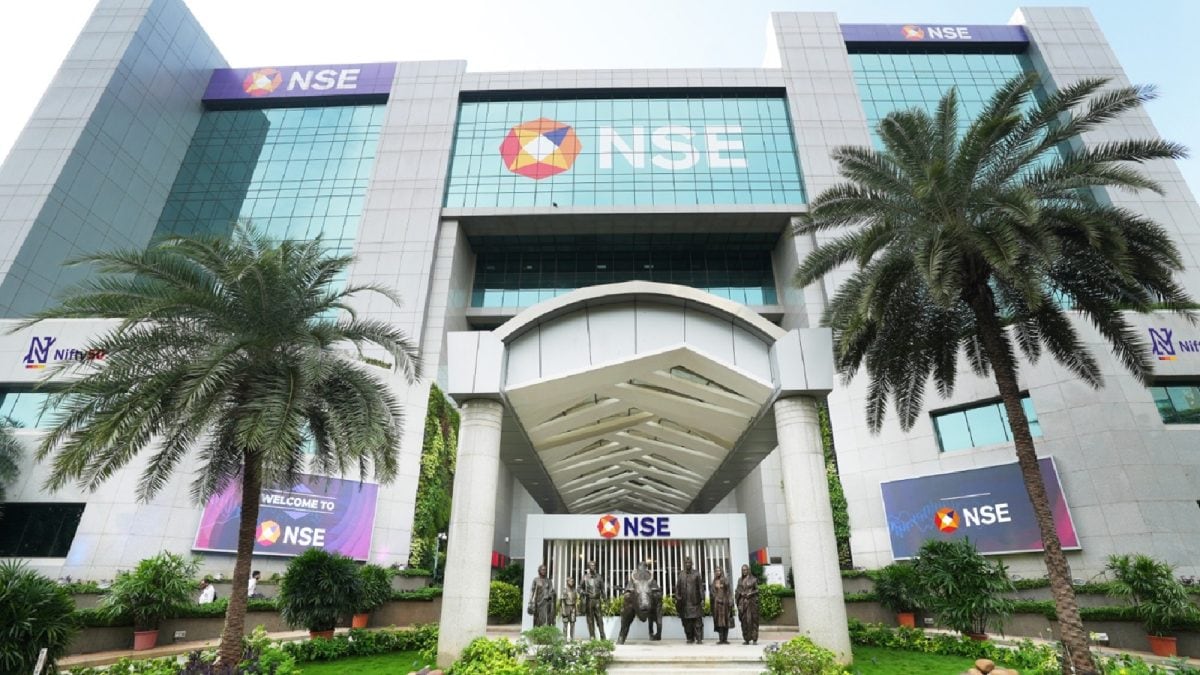
Why I’m watching the NSE IPO like a cricket fan watches a final
Honestly, when I first heard that the National Stock Exchange (NSE) might finally file its draft red herring prospectus (DRHP) by the end of June, I felt the same excitement a kid gets before the IPL playoffs. You know, that nervous‑but‑hopeful feeling that something big is about to happen. Over the past few weeks, I’ve been scrolling through financial news, chatting with colleagues in the broking world, and even asking my uncle who works in a brokerage about the timeline. Everyone seems to aGree – if the paperwork gets cleared, we could see NSE listed before December. That window is pretty tight, but given the momentum, it feels realistic.
What exactly is being filed and why it matters
The DRHP is basically the first public version of the offer document – it tells investors how many shares are up for sale, at what price range, and what the proceeds will be used for. In the case of NSE, the plan is to sell a modest stake of about four to four‑point‑five percent. That may sound tiny, but remember we are talking about an exchange that handles a bulk of India’s equity trading. Even a small slice of that ownership translates into a massive amount of capital, somewhere between $1.5 billion and $2.5 billion. In rupee terms, that’s roughly Rs 23,000 crore – a sum that could fund technology upgrades, expand the co‑location services, or even strengthen the exchange’s balance sheet.
For me, the importance is two‑fold: first, it signals that the regulator – SEBI – is finally comfortable with NSE’s governance after years of back‑and‑forth. Second, it gives the Indian market a new, high‑profile asset class to invest in, much like when the BSE listed its own shares back in the day.
How the timeline fits with the broader market rhythm
When you look at the calendar, the proposed June filing aligns nicely with a relatively quiet period in the Indian capital markets – after the budget season but before the festive rush in October‑November. If everything goes according to plan, the actual listing could happen in the third quarter of the financial year, which means before the year‑end. That timing is actually clever because it allows the IPO to benefit from any bullish sentiment that builds up during the festive buying sprees. In my own experience, I’ve seen many SME IPOs perform better if they list just before the holidays when retail investors are more active.
Also, filing by June gives the merchant bankers enough breathing room to market the shares, do roadshows across Tier‑1 and Tier‑2 cities, and handle any last‑minute regulatory tweaks from SEBI. In most cases, the whole process from DRHP filing to listing can take three to four months if there are no major hiccups.
The squad of merchant bankers – a who's‑who of Indian finance
One thing that caught my eye is the sheer size of the advisory team NSE has put together. Twenty merchant bankers are on board, ranging from home‑grown names like Kotak Mahindra Capital Company, JM Financial, Axis Capital, and IIFL Capital Services, to big international players like Morgan Stanley India, Citigroup Global Markets India, and J.P. Morgan India. Even HSBC and HSBC Securities and Capital Markets (India) are part of the mix. This kind of broad participation is not just for show; it ensures that the IPO gets coverage across different investor segments – retail, institutional, foreign, and strategic investors.
When I talk to my friend who works at Motilal Oswal Investment Advisors, he says they are especially excited because this IPO will be a benchmark for future listings of financial market infrastructure entities. The presence of both Indian and foreign banks also helps in pricing the shares competitively, which is essential when you’re aiming for a valuation that could bring in up to $2.5 billion.
Looking back: The 2016 attempt and why it stalled
To understand why this upcoming IPO feels like a second innings, you need to rewind to 2016. Back then, NSE filed draft offer documents to raise roughly Rs 10,000 crore through an offer‑for‑sale by existing shareholders. However, the Securities and Exchange Board of India (SEBI) raised several governance concerns, mainly revolving around the co‑location case where traders were alleged to have gotten unfair access to the exchange’s servers.
SEBI’s hesitation meant the entire process was put on hold. Since then, NSE has been in a sort of limbo – repeatedly approaching SEBI, making compliance upgrades, and trying to convince the regulator that the governance framework is now robust. In my view, the repeated dialogues have finally borne fruit, which is why we are seeing the fresh filing plan now.
What the stake sale could mean for existing shareholders
If NSE goes ahead with a 4‑4.5 percent stake sale, existing shareholders – mainly promoters, employees, and some early investors – will get a chance to cash in at what could be a premium price, assuming market sentiment is supportive. I think many of them have been waiting for this moment for years. In ordinary life, it’s like a family home finally being listed after a long renovation; everyone hopes for a good price but also wants the process to be smooth.
For ordinary investors like me, the opportunity to buy into the National Stock Exchange itself is exciting because it diversifies our portfolio beyond the usual stocks. It also gives a sense of owning a piece of the backbone of the Indian capital market.
Potential challenges that could still pop up
Even with the DRHP filing scheduled for June, there are still a few hurdles that could delay the listing. SEBI might still request additional disclosures or clarifications on the governance reforms NSE has implemented. Additionally, market volatility – say a sudden slowdown in global equity markets – could push the banks to reconsider the pricing band.
From personal experience, I’ve seen IPOs being postponed because of macro‑economic factors. Remember the big crypto‑related IPO that got delayed last year when global markets took a dip? Something similar could happen if investors become jittery about the valuation.
How the proceeds are likely to be used
The prospectus hints that the funds raised – up to $2.5 billion – will be used for multiple purposes. Firstly, a chunk will go into technology upgrades. You know how the NSE has been pushing for faster trade execution and better data analytics; that needs serious investment. Secondly, they may allocate some money to strengthen risk management and compliance frameworks, addressing the very concerns SEBI raised earlier.
There’s also a chance part of the capital will be used to expand the exchange’s footprint overseas, maybe by setting up more data centers or partnering with foreign exchanges. In my conversations with a colleague at ICICI Securities, they mentioned that NSE wants to become a global clearing hub, and having deeper pockets certainly helps.
What it means for the Indian economy
On a macro level, a successful NSE IPO could be a big confidence booster for the Indian financial ecosystem. It would prove that even the biggest market infrastructure players can meet SEBI’s governance standards and go public. For the average Indian, this could translate into more transparent markets, better investor protection, and possibly lower transaction costs as competition among exchanges intensifies.
Moreover, the capital raised can improve market infrastructure, which benefits everyone from a small retail trader in a village in Madhya Pradesh to a multinational fund manager trading on the BSE. In a way, it’s like upgrading the roads – you may not see the construction day‑to‑day, but you definitely feel the smoother ride later.
My personal take – why I think this matters
Speaking plainly, I feel the NSE IPO is a landmark event because it signals a maturing of India’s capital markets. When I first started trading on the BSE back in the early 2000s, the idea of the exchange itself being listed was just a distant dream. Now, after a decade of reforms and regulatory tightening, we are on the brink of that reality.
Besides the macroeconomic angle, I’m personally excited about the investment opportunity. The chance to own a tiny slice of the exchange that powers the whole market feels like buying a piece of the future. Even if the price ends up being a little higher than expected, the long‑term strategic value might outweigh the short‑term premium.
What to watch after the filing
Once the DRHP is filed, the next things to keep an eye on are the price band guidance, the level of institutional interest, and the final approval from SEBI. I’ll be watching the news for any statements from the merchant bankers – they usually give hints about how strong the demand is. Also, the level of foreign institutional investor (FII) participation will be crucial, as it often sets the tone for the overall reception.
Finally, the listing date itself – if it lands before December as expected – will be a signal that the entire process was smooth. Any delay beyond that could indicate lingering regulatory snags or market hesitancy.
Wrapping up – the excitement is real
All in all, the National Stock Exchange (NSE) seems ready to take a bold step forward. With the DRHP filing pencilled in for the end of June and a target listing before the year ends, the stage is set for a major market event. The prospect of raising up to $2.5 billion, the involvement of a star‑studded line‑up of merchant bankers, and the resolution of long‑standing governance concerns all point to a hopeful outcome.
From my side, I’ll keep following the developments, maybe even consider a small allocation if the pricing looks reasonable. And who knows – perhaps in a few years we’ll look back and say that the NSE IPO was the turning point that cemented India’s place on the global financial map.